Repair and install TPO roofing in Jurupa Valley with suitable weld surfaces, dry support layers and replacement limits tied to the actual membrane damage.
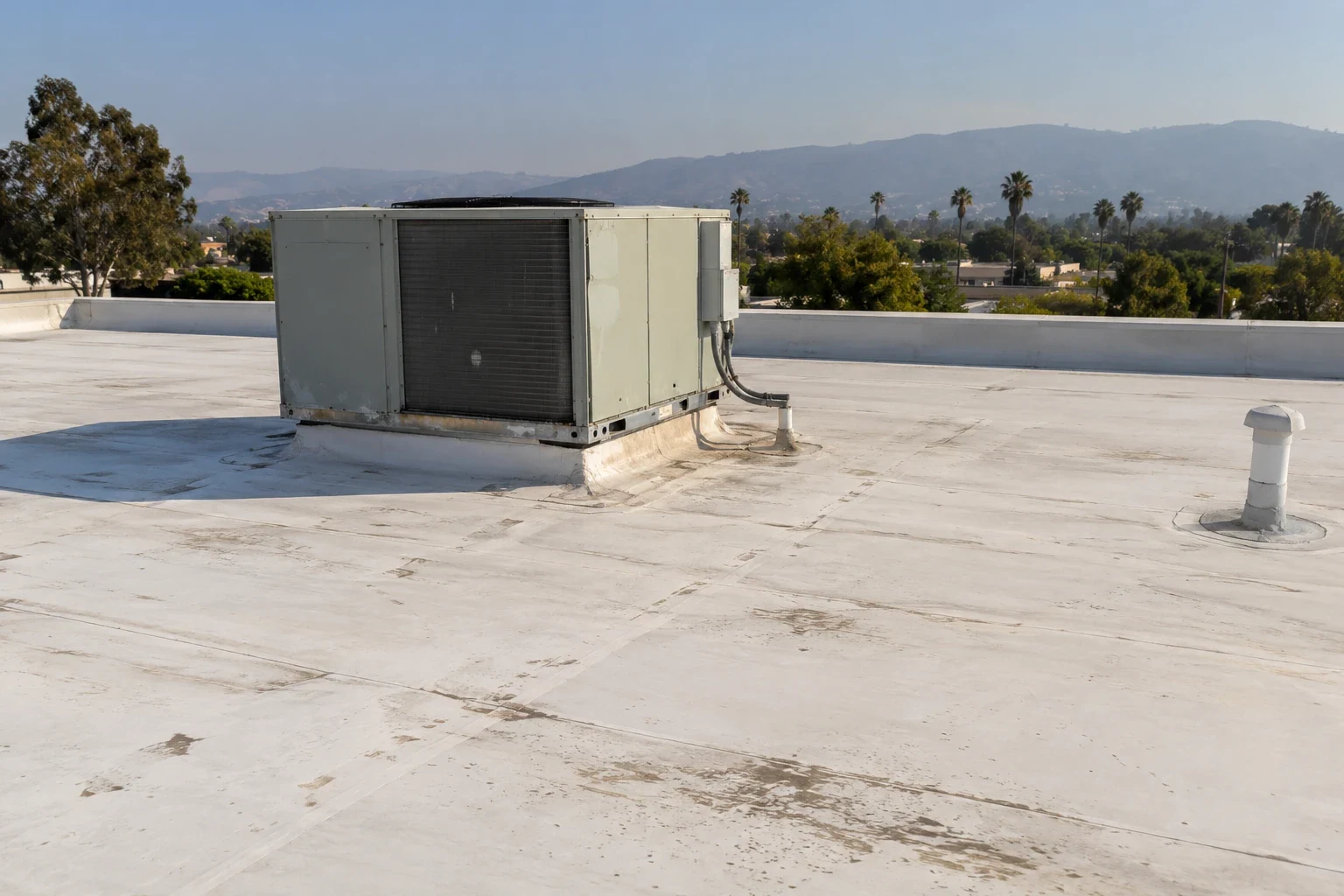
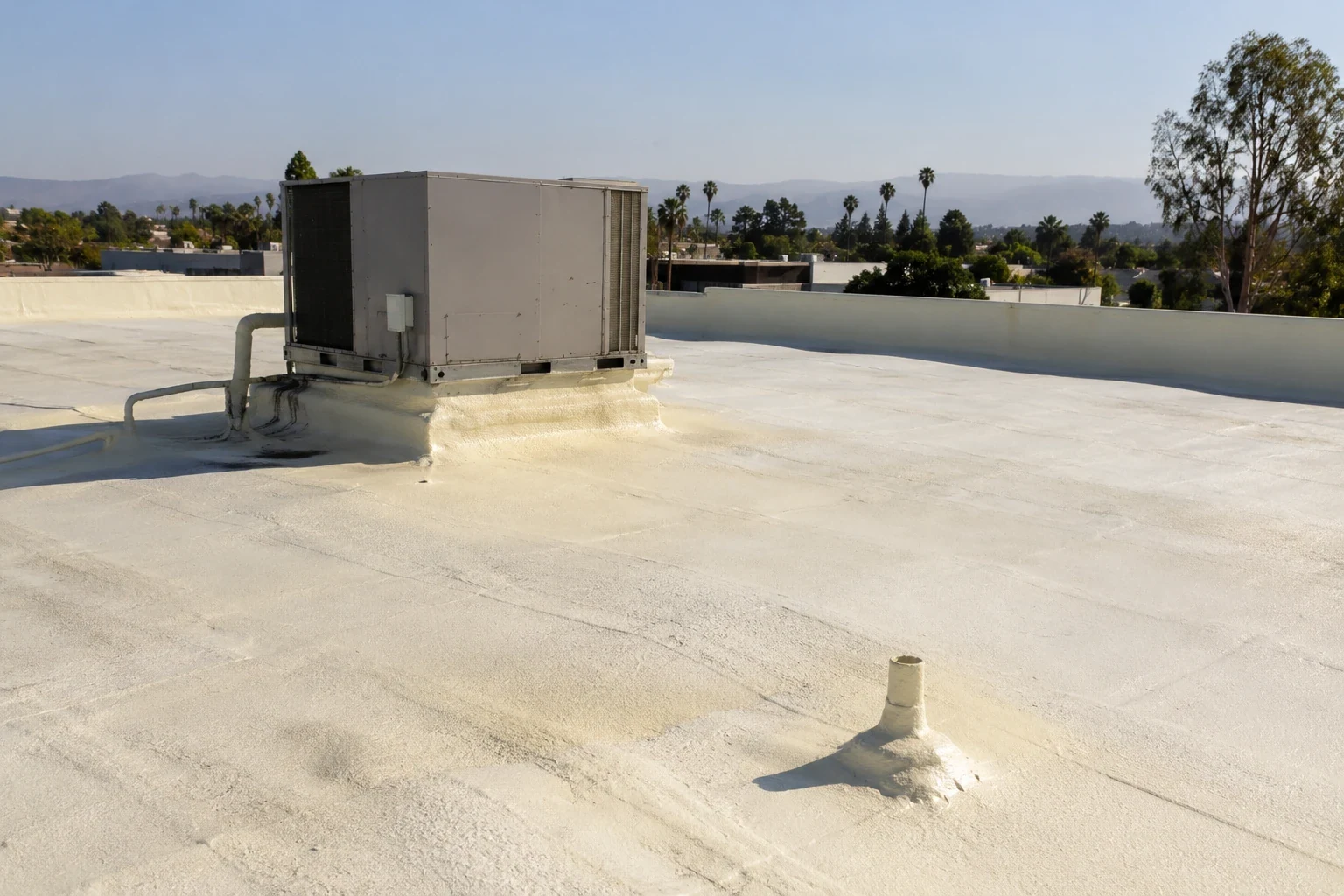
A scored TPO sheet beside a service walkway creates a repair limit, not an automatic reason to replace the entire field. The cut may need a welded repair over dry support, while a damaged cover board beneath it expands the replacement section. We inspect TPO roofing in Jurupa Valley, CA to separate those conditions. The general contractor can compare retaining usable membrane with removing the layers that no longer support it, including the preparation needed to form a dependable connection.
Mira Loma has industrial distribution operations, and Ontario's economy includes warehousing and manufacturing. Servicing rooftop equipment at those kinds of properties can repeatedly expose the same membrane paths to tools and foot traffic. We examine the actual contact damage and the receiving construction. TPO installation or repair should address the vulnerable route as well as the cut, so continued maintenance does not immediately return traffic to an unprotected section.
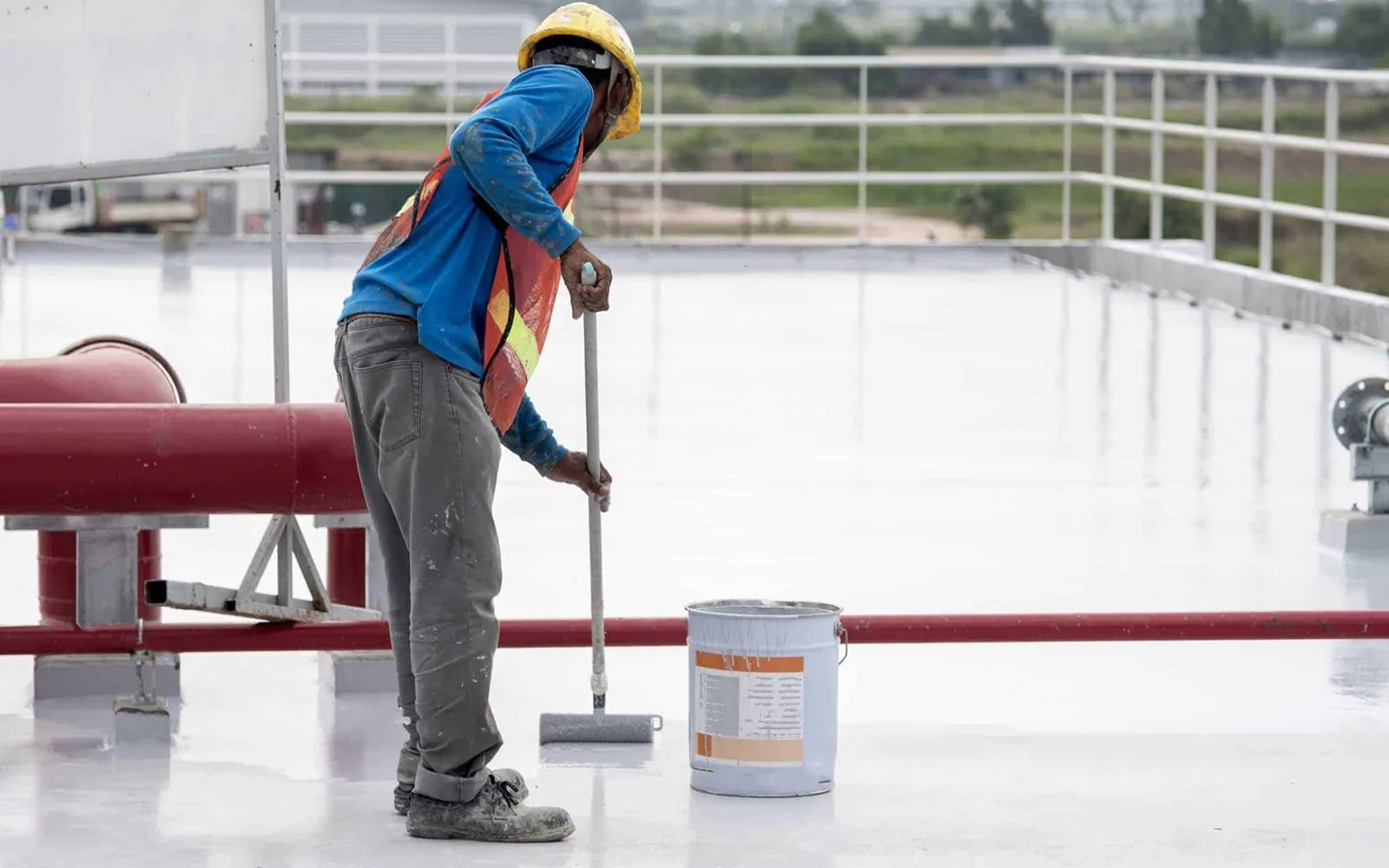
A visible cut can be bounded in the sheet while moisture extends farther beneath it. We inspect the opening, nearby seams and the support material. Physical checks establish whether the insulation or cover board can stay. The replacement boundary should follow the affected layers, with a suitable dry perimeter for the new connection. Applying a patch over a compressible or wet receiving area can leave the same movement acting against the repaired membrane.
Investigating suspect moisture beneath TPO can help identify locations needing physical confirmation. We compare the selected findings with the visible damage and drainage. That assessment guides removal rather than turning the entire inspected roof into a replacement allowance. Where separate wet areas are found, we identify their respective limits and the connection work needed around each retained portion.
Attachment is another part of the receiving assembly. Loose components or unsupported board joints can concentrate movement at the membrane. We examine accessible fasteners, adhesive condition and the substrate requirements relevant to the proposed repair. The contractor should see which support correction is included. A thicker replacement sheet cannot make deteriorated deck material or a failed connection beneath it suitable for the new work.
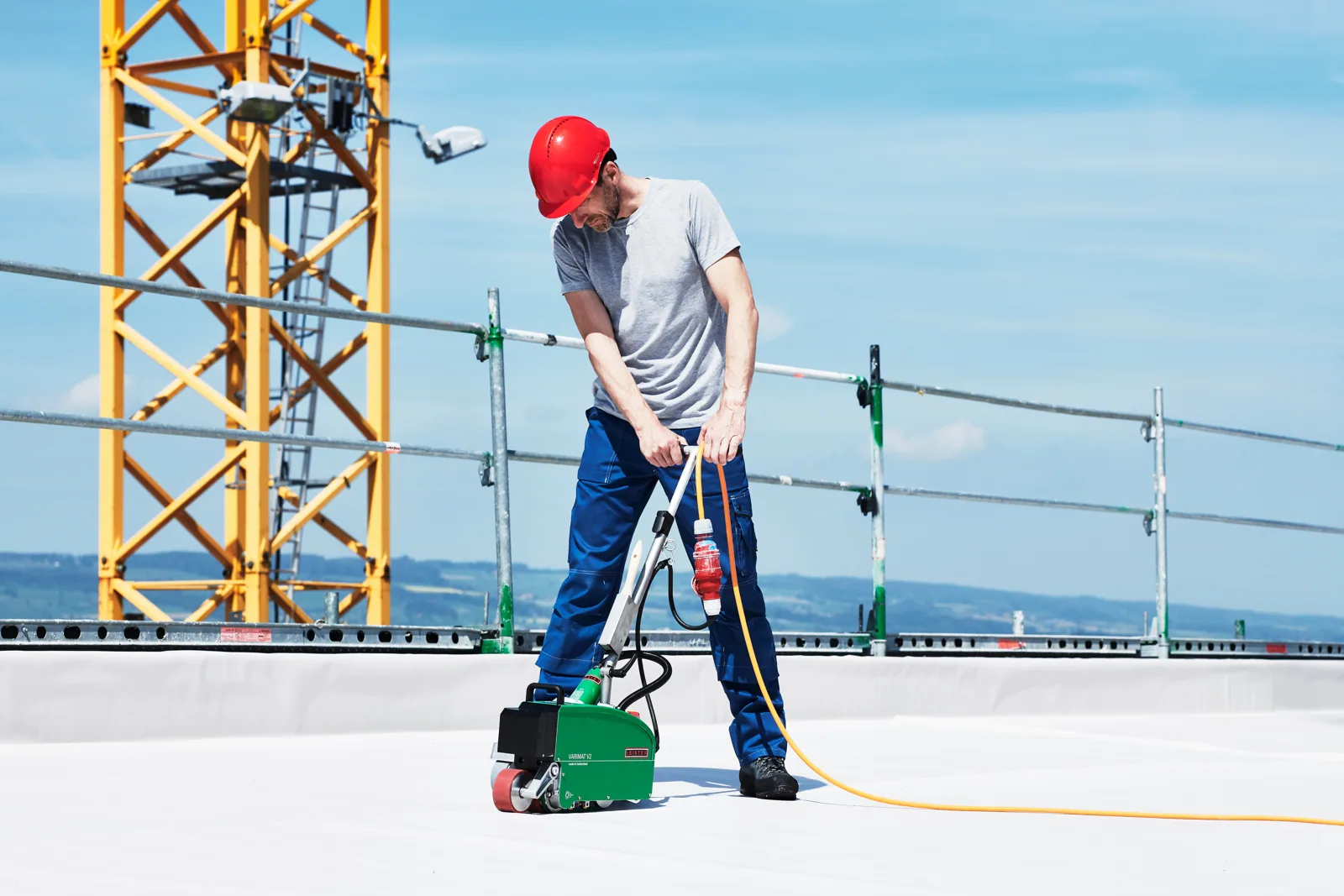
TPO repairs need a compatible membrane and properly prepared welding surface. Weathered material, dirt and previous treatments can affect the connection. We assess the existing sheet and follow the selected system's preparation requirements, including cleaning and any necessary removal of incompatible residue. The area available for the weld must remain sound after that preparation; a narrow strip of damaged sheet is not a useful receiving edge merely because it sits outside the visible hole.
Test welds help establish suitable equipment settings under the actual installation conditions. The crew checks the completed seam and corrects deficient sections using the appropriate detail. Corners, multiple sheet intersections and changes in level need particular attention because the material does not sit against a flat, uniform surface there. We include the access and preparation needed to form those connections in the repair scope.
Heat affects exposed roofing and the conditions under which installation is performed. Jurupa Valley lies within the inland region subject to summer heat, winter storms and Santa Ana winds. We schedule welding and material handling against actual site conditions. The scope also addresses loose components and transition support that can move during wind exposure. A weather-aware sequence helps the crew complete the intended detail without leaving preparation or closure to an unsuitable work window.
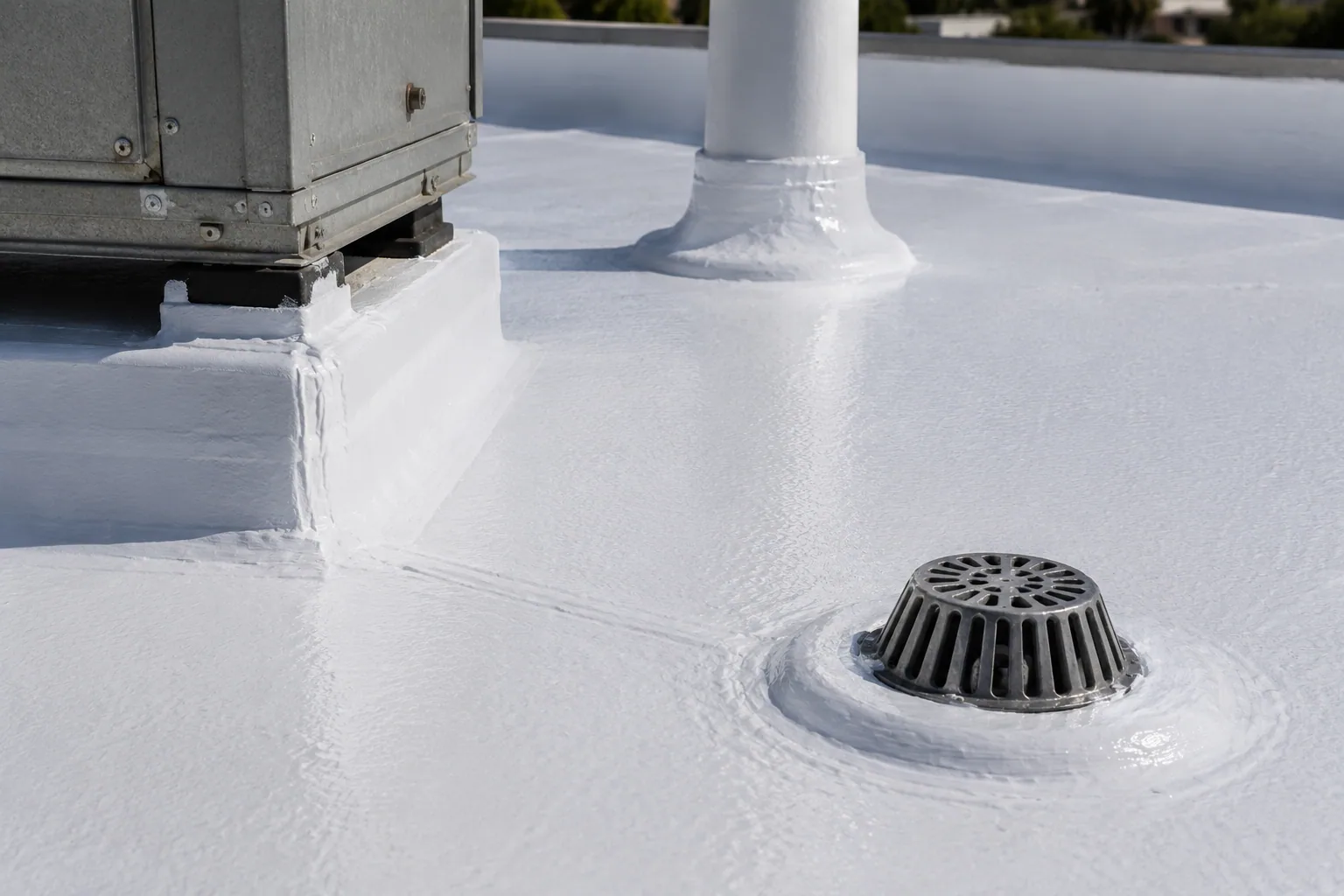
A new TPO roof includes more than the exposed sheet. Insulation, cover board, attachment, perimeter details and drainage must suit the building and applicable project requirements. We assess deck condition and the proposed fastening or adhesion method before comparing options. The contractor can then distinguish a material change from a change that also requires new support, drainage elevations or perimeter reconstruction.
Comparison with a PVC membrane assembly should consider the building exposure and the complete specified construction. The appearance of two light-colored sheets does not make their repair materials interchangeable. We identify the installed system before preparing a connection. Where the project involves process residues or particular chemical exposure, the selected material needs a compatibility assessment against those actual conditions.
EPDM roofing uses a different seam and flashing approach. We explain how that changes the receiving-surface preparation and installation work when the owner is comparing systems. The useful comparison includes the details the building needs and the labor required to form them. Selecting a membrane by color alone leaves out the connections that determine whether its perimeter, penetrations and outlets can be completed properly.
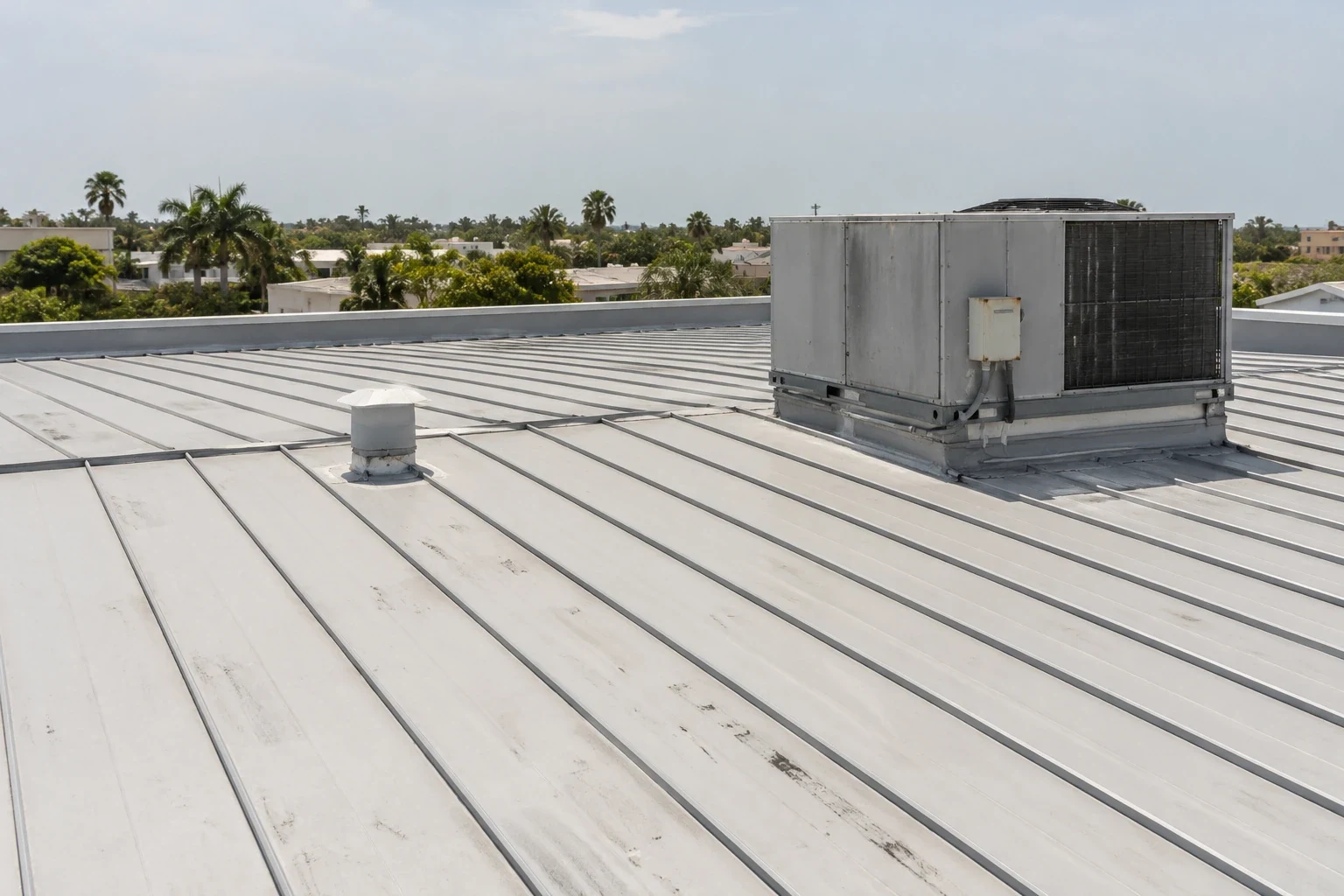
A localized removal needs a compatible connection to the retained membrane and stable support beneath that connection. We replace affected board layers and maintain the required detail geometry. Patch corners, seam intersections and penetrations should not be crowded into a repair boundary that leaves insufficient room for proper preparation. A slightly wider removal may reduce connection complexity when the narrowest outline follows damaged or previously treated sheet.
For a warehouse TPO replacement section, the contents below may require protection while supporting layers are opened. We identify that exposure with the operator and size the stage accordingly. The receiving deck also needs assessment where removal reveals corrosion, deterioration or unsuitable attachment conditions. Structural concerns go to the appropriate design team before the replacement assembly is attached to the affected construction.
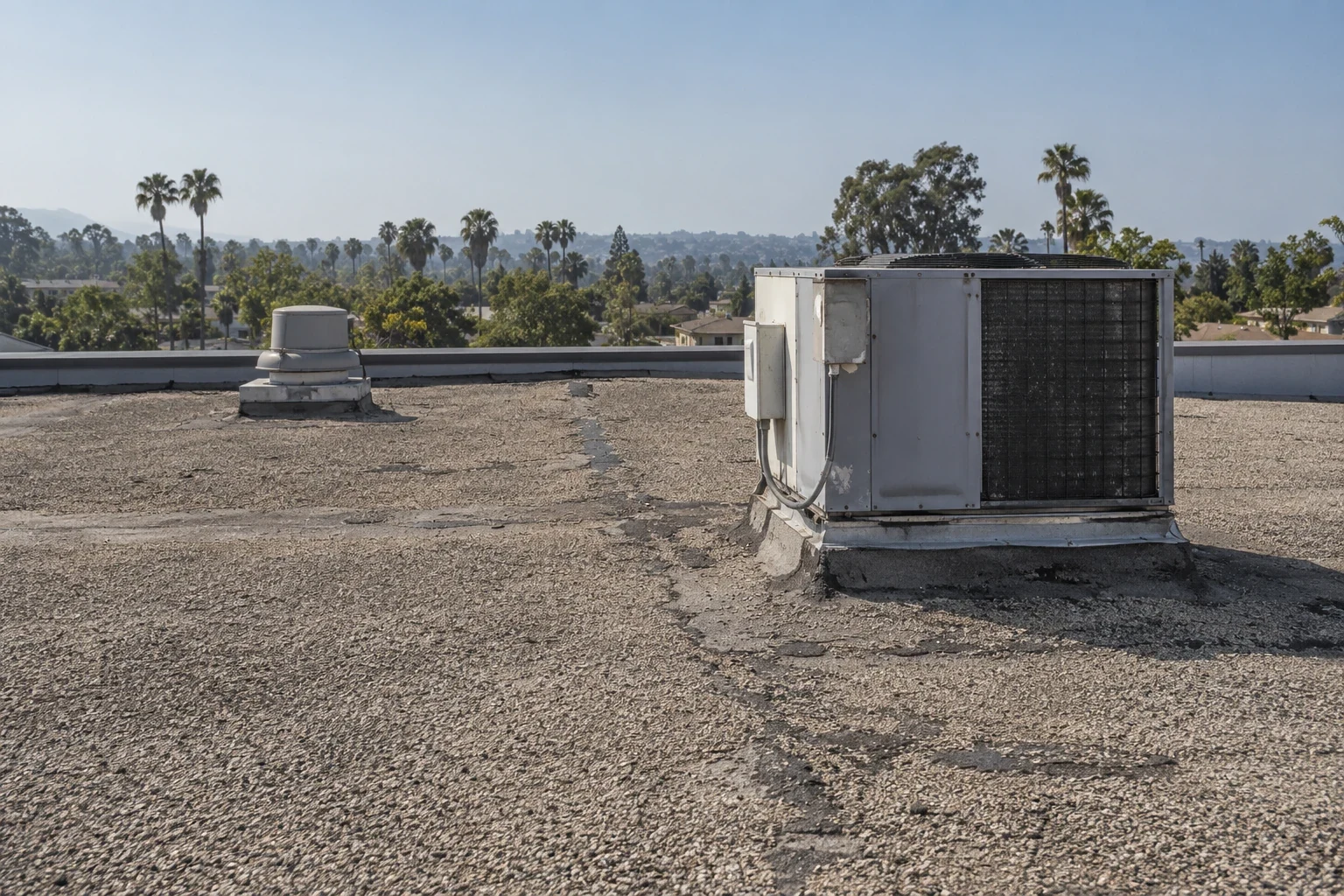
Service traffic can damage roofing at ladder landings, equipment approaches and repeated tool placement locations. We identify those paths and discuss suitable protection compatible with the installed system. The protection layout must preserve drainage and access to connections that need inspection. A walkway should protect usable membrane without concealing a known failed area or creating another obstacle to outlet servicing.
At a property in Mira Loma, distribution activity may influence when equipment can be serviced or an interior section released for roof work. We coordinate those actual operating limits with continued membrane maintenance. Planned checks include repaired seams, traffic protection and drain connections. That keeps the retained assembly under review while the owner directs replacement spending toward the sections with demonstrated damage.
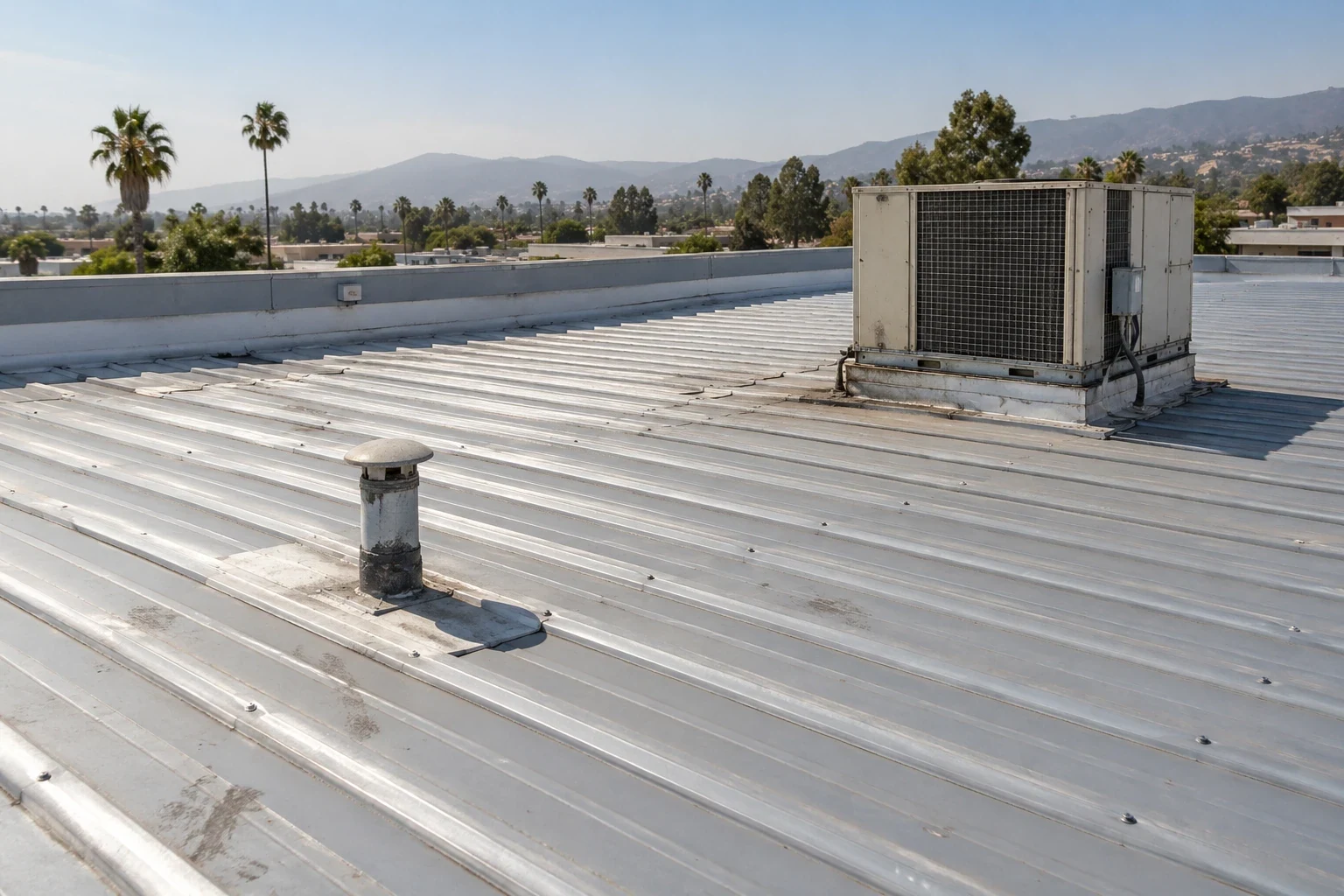
Removal quantities, support replacement and weld preparation explain the difference between TPO repair proposals. We identify those items together with equipment handling and opening protection. A field that remains suitable may be retained while specific defects are rebuilt. If deterioration prevents a dependable connection across several areas, the wider replacement option should show what it removes and why. The owner's decision then rests on construction that can receive the intended work.
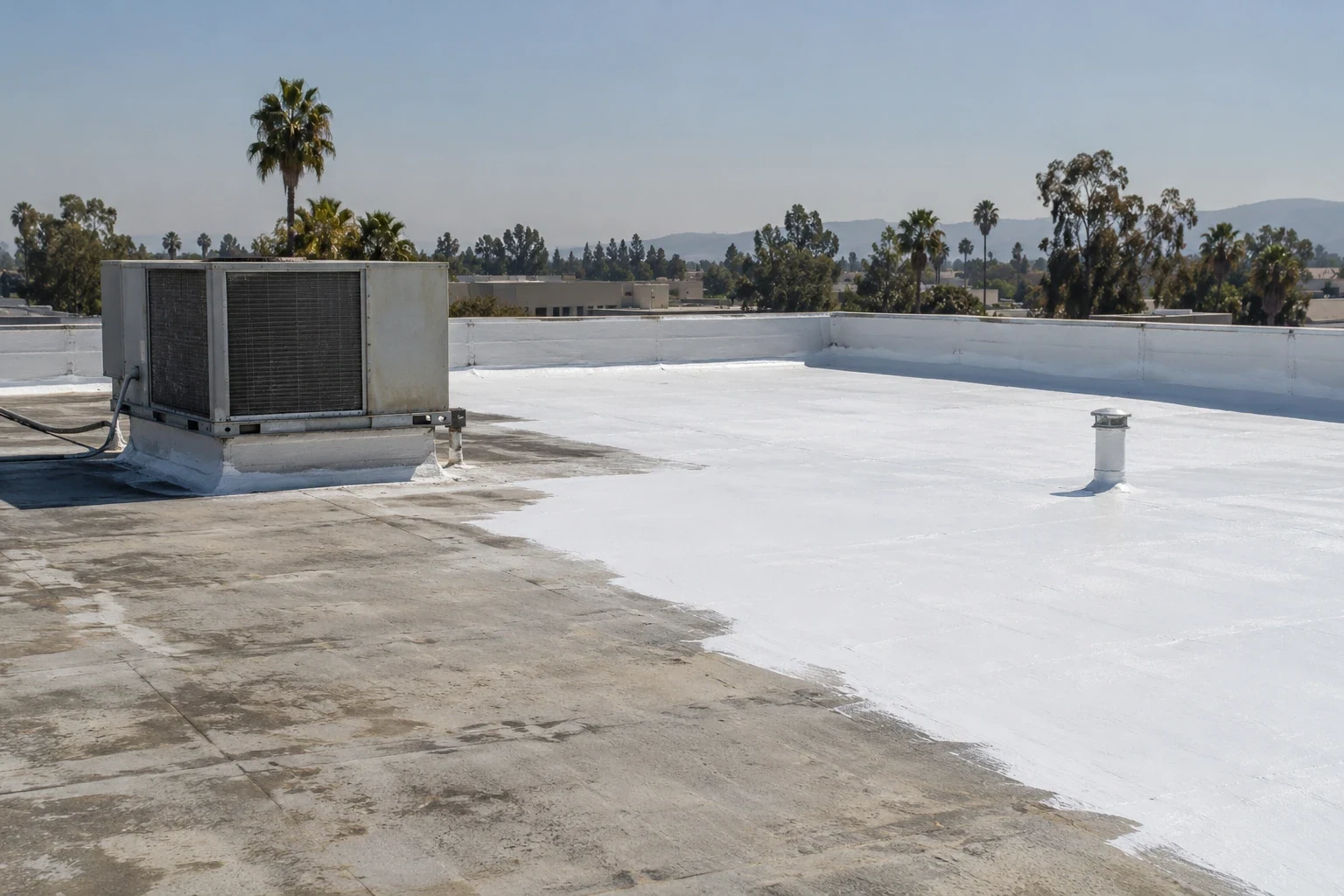
Dry, sound support may remain when the membrane damage is localized and the receiving sheet is suitable. We inspect for moisture and crushed material before defining the patch. Affected supporting layers need replacement where they cannot carry the repaired section properly.
Surface condition and compatibility determine the preparation needed. We assess the retained sheet and make the required trial connections before completing the repair. Deteriorated or heavily treated material may require a wider removal to reach a suitable welding surface.
Membrane thickness does not restore failed backing or unsuitable deck attachment. We identify the supporting correction separately from the sheet selection. The new assembly needs a connection appropriate to its receiving construction and project requirements.
The scope includes the failed sheet, any damaged board layers and the compatible perimeter connection. It also identifies protection for the recurring service route. Equipment access and interior protection can change the timing and handling required to complete that work.