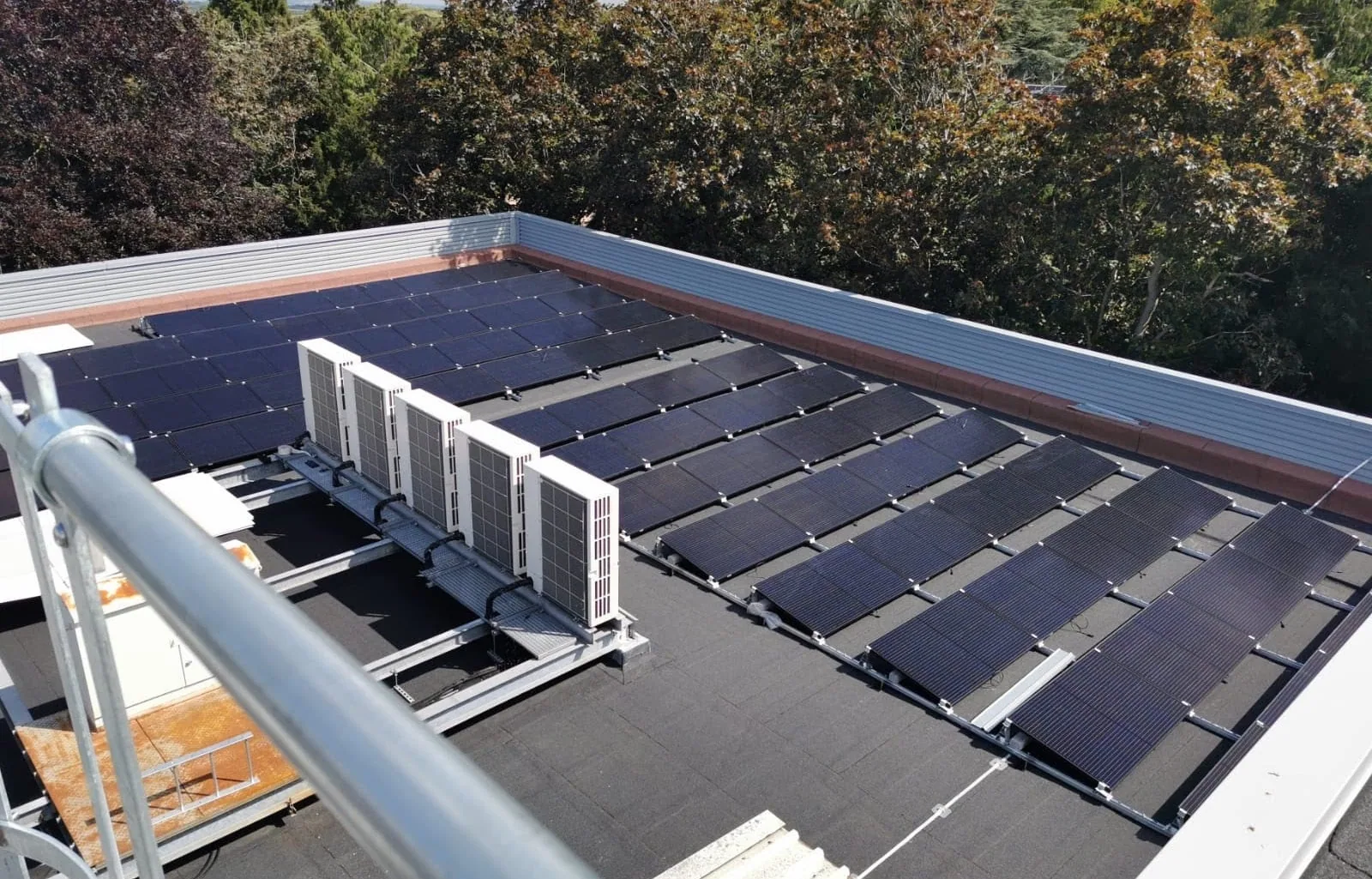
Evaluate a roof recover in Jurupa Valley by testing retained layers, moisture, attachment and flashing height before adding a compatible roof assembly.
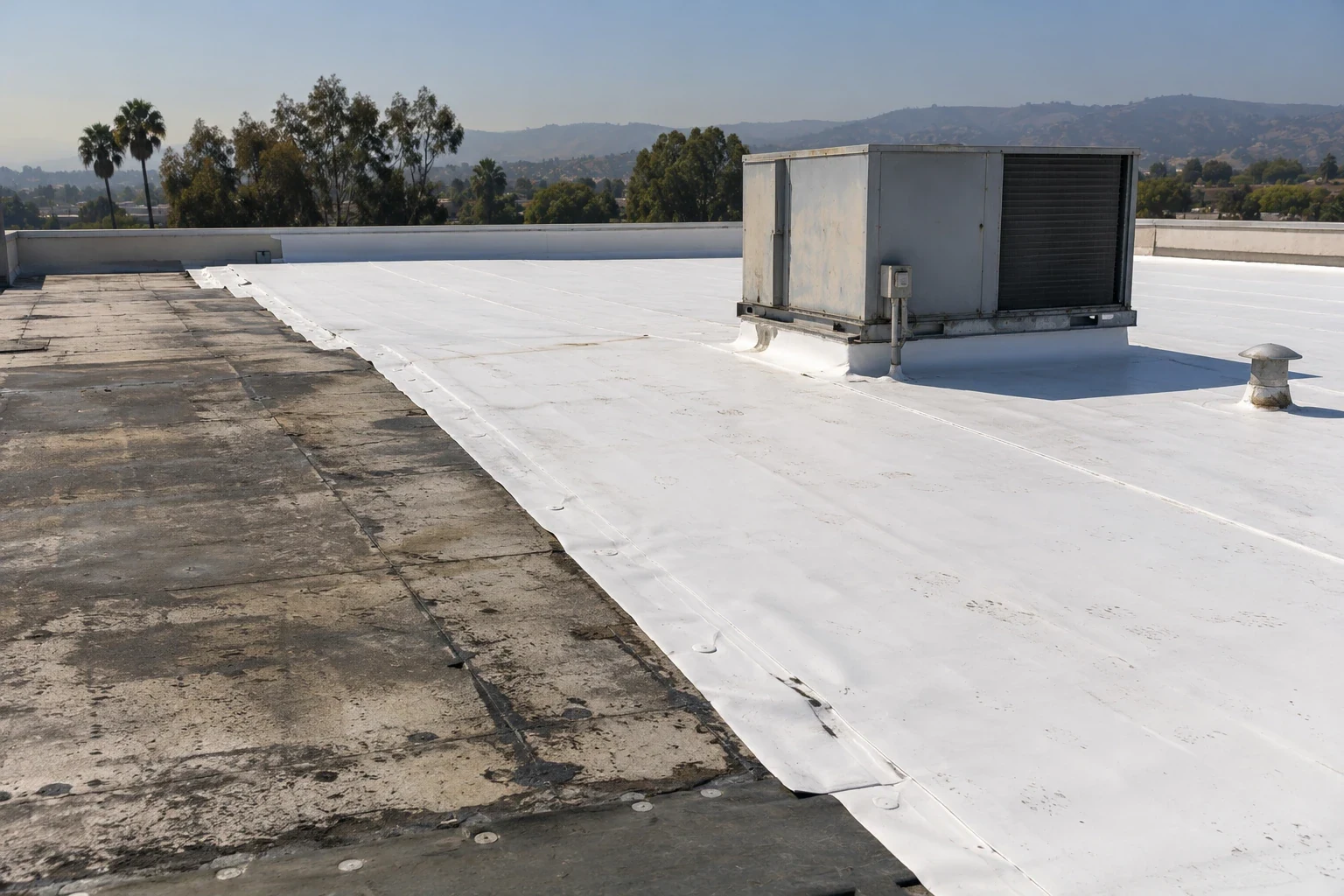
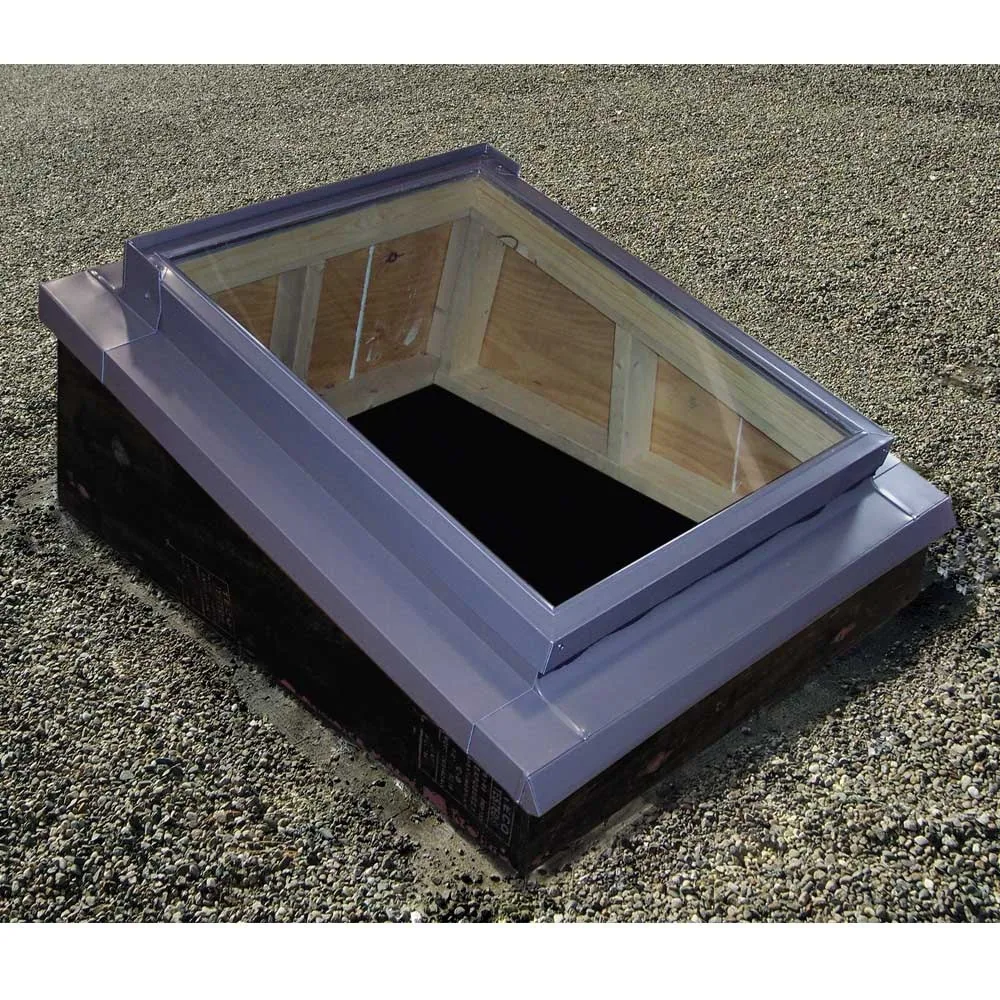
Loose fasteners beneath an otherwise serviceable sheet can rule out the simplest overlay. The surface may look ready for covering, while the attachment underneath cannot support the added construction. We assess that retained assembly before proposing a roof recover in Jurupa Valley, CA. The question is practical: which layers can remain, which must be removed and how will the new work stay secure? A recover needs a dependable support system, not just enough room for another membrane.
Pedley includes a Metrolink station and civic-center area, and its town-center plan was adopted July 17, 2025. A contractor planning roof work there may have limited space for removal and deliveries. A recover can reduce tear-off handling where the existing construction qualifies, but access savings cannot compensate for trapped moisture or inadequate flashing height. We compare the actual retained layers with a tear-off replacement and show the preparation required by each option.
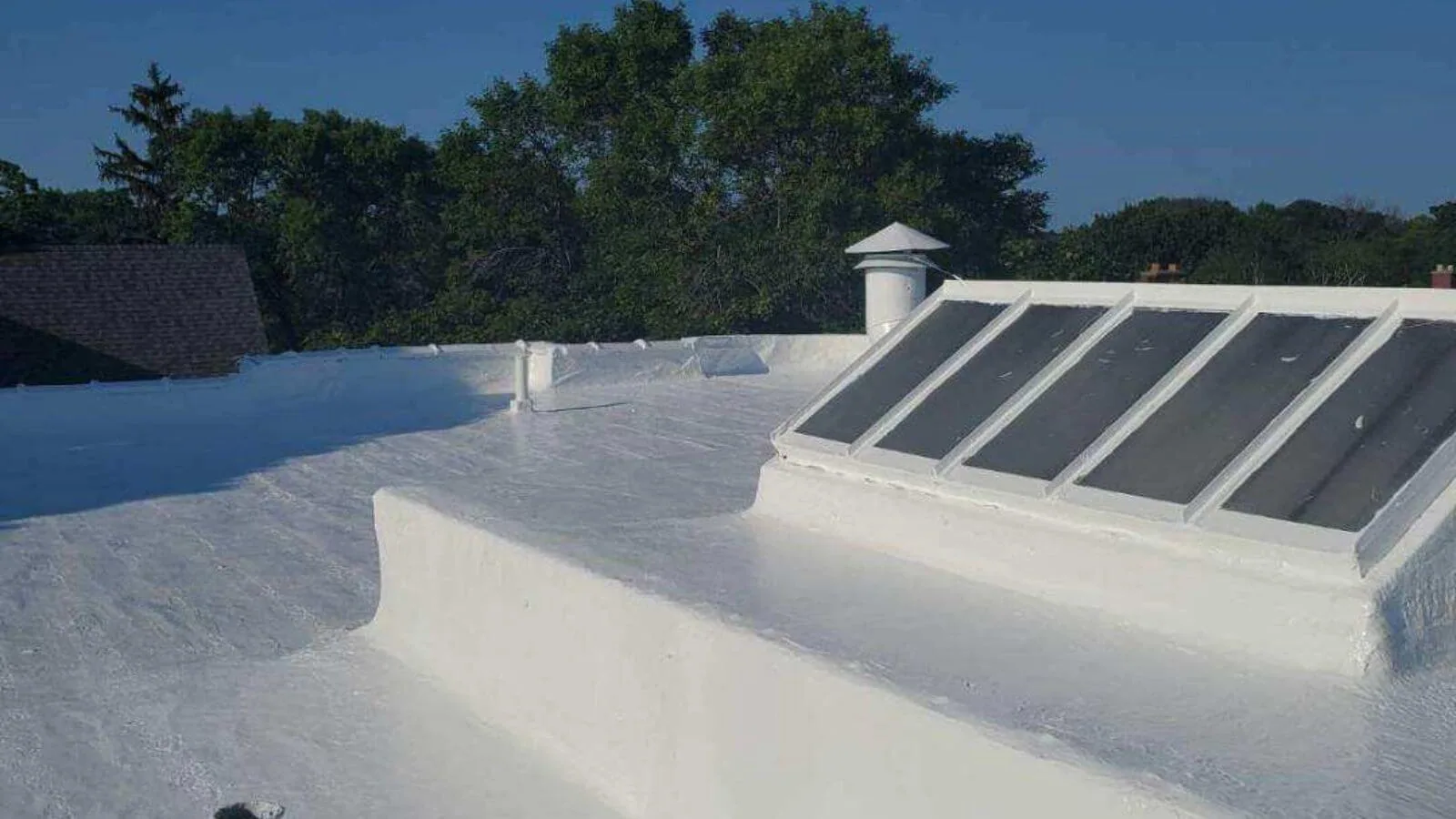
Core openings establish the roof's layer sequence, insulation thickness and moisture at sampled locations. We examine attachment, surface movement and the condition of the supporting deck where it can be accessed. The findings identify what the new assembly would rely on. We do not assume a dry top surface means dry insulation. Leaks can enter at penetrations and spread between layers long before the upper sheet shows broad damage.
An infrared survey paired with core checks can help select suspect areas for additional investigation. Wet zones need physical boundaries so the scope removes the damaged material completely. An isolated cut showing dry insulation is useful at that location; the assessment still needs to account for drains, repaired areas and changing roof construction. We combine those observations to decide whether selective removal leaves a coherent, stable assembly.
Deck suitability remains important even when little tear-off is planned. Fasteners must reach a substrate capable of carrying the specified loads. Pull testing may be needed to evaluate a proposed attachment, particularly where deck condition or existing fastener performance raises concerns. Corrosion, damaged timber or loose supporting connections require their own assessment. A separator board can create a suitable membrane surface, but it cannot restore a structurally inadequate deck beneath it.
Previous repair layers also affect the selection. We check patched joints and concealed changes in insulation thickness, then identify whether those patches can receive the new assembly or need removal before installation.
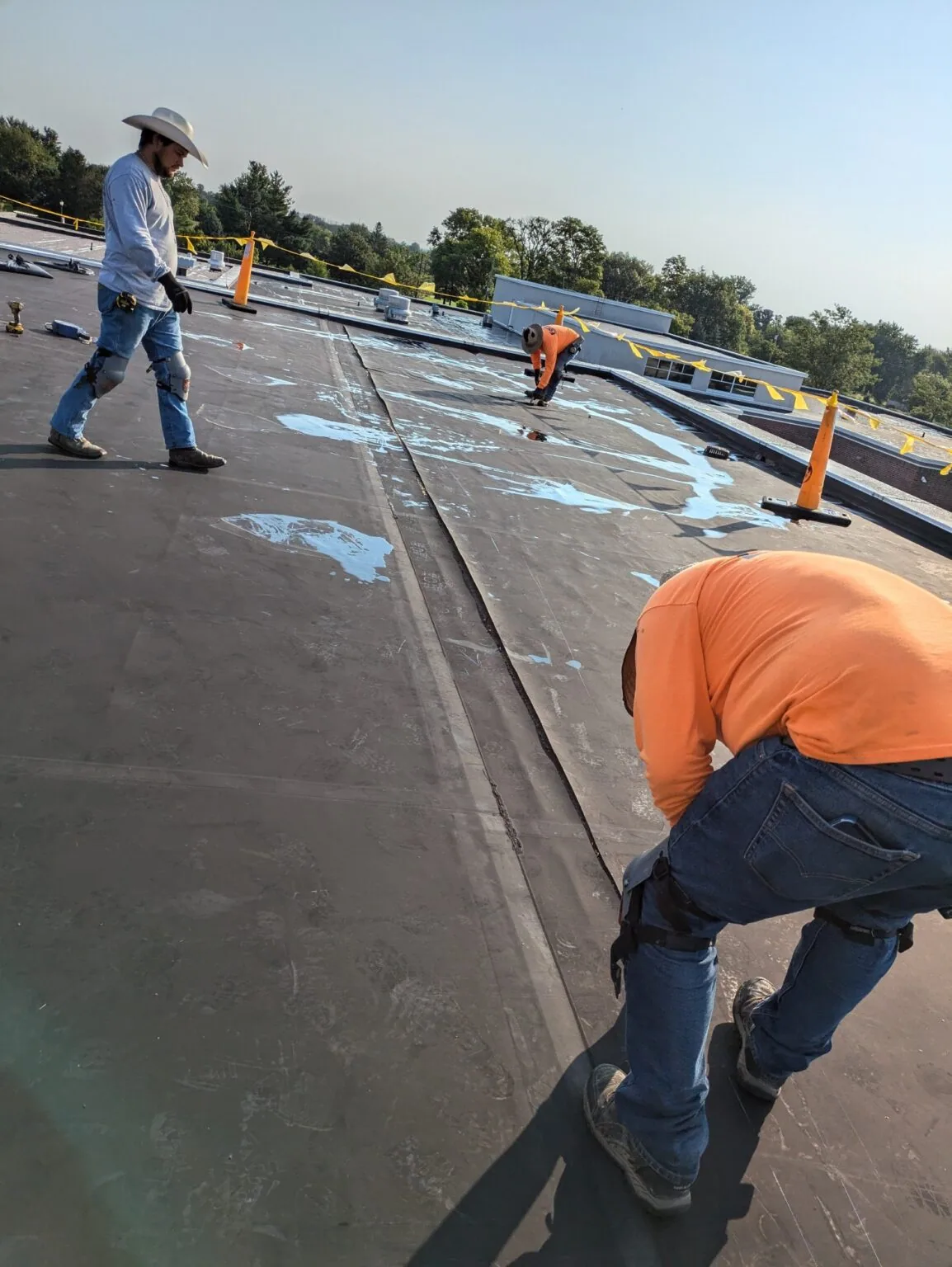
A recover scope can include targeted removal before covering the usable roof. We replace wet insulation and damaged boards with material that matches the required support and finished elevation. The new patch perimeter must connect cleanly to the retained construction. Abrupt steps can stress the membrane, interrupt drainage and leave unsupported edges. We describe those transition repairs as part of preparation, rather than hiding them inside an unspecified overlay allowance.
Blisters, loose gravel, contaminated sheets and failed repairs call for different treatment. Depending on the proposed system, preparation may include cutting out unstable areas, removing loose material or installing an appropriate separation layer. Adhesives need an approved receiving surface and application conditions. Mechanical attachment needs correct fastener placement and substrate capacity. We identify which construction method is being proposed because the work required underneath is different.
Regional heat can age exposed coatings and sealants in Jurupa Valley. A brittle surface with loose repair compounds needs preparation that restores stable contact; applying another adhesive over the weak material leaves the same failure plane. Where a membrane system such as TPO roofing is selected, the assembly includes suitable separation, attachment and compatible details. The sheet is only one part of the recover decision.
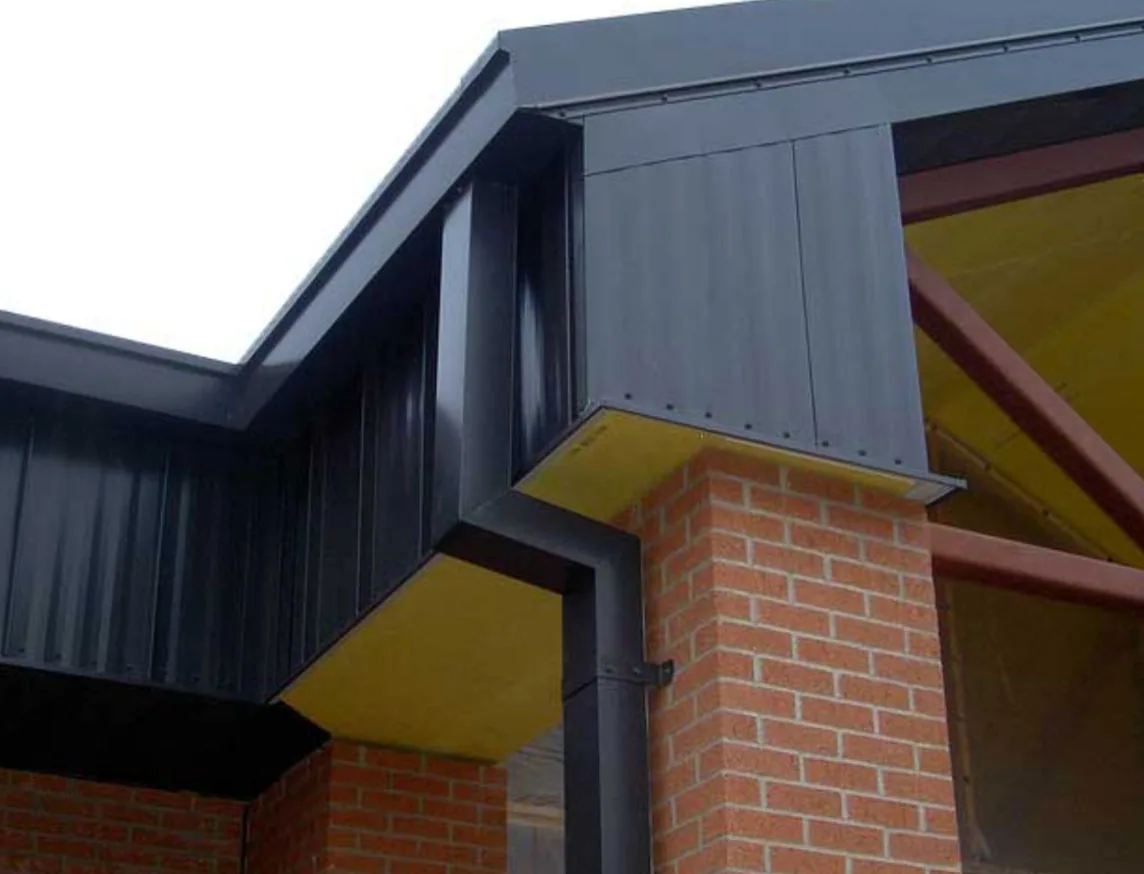
Another insulation or cover-board layer raises the finished roof. That can reduce usable flashing height at equipment curbs, access doors and walls. We measure those conditions before recommending a recover and identify necessary extensions or replacement details. A contractor needs to know when the equipment trade must disconnect a unit, not discover that requirement after the new boards are installed. Added thickness also affects edge metal and drain connections.
We examine expansion joints and transitions between roof levels separately. A recover must allow the joint to move while keeping its attachment and water control effective. Covering an old joint without revising the adjoining height can create a trough. The scope identifies the finished elevations and the components being replaced. If corrective work becomes extensive, the additional labor may narrow the cost difference between retaining the roof and removing it.
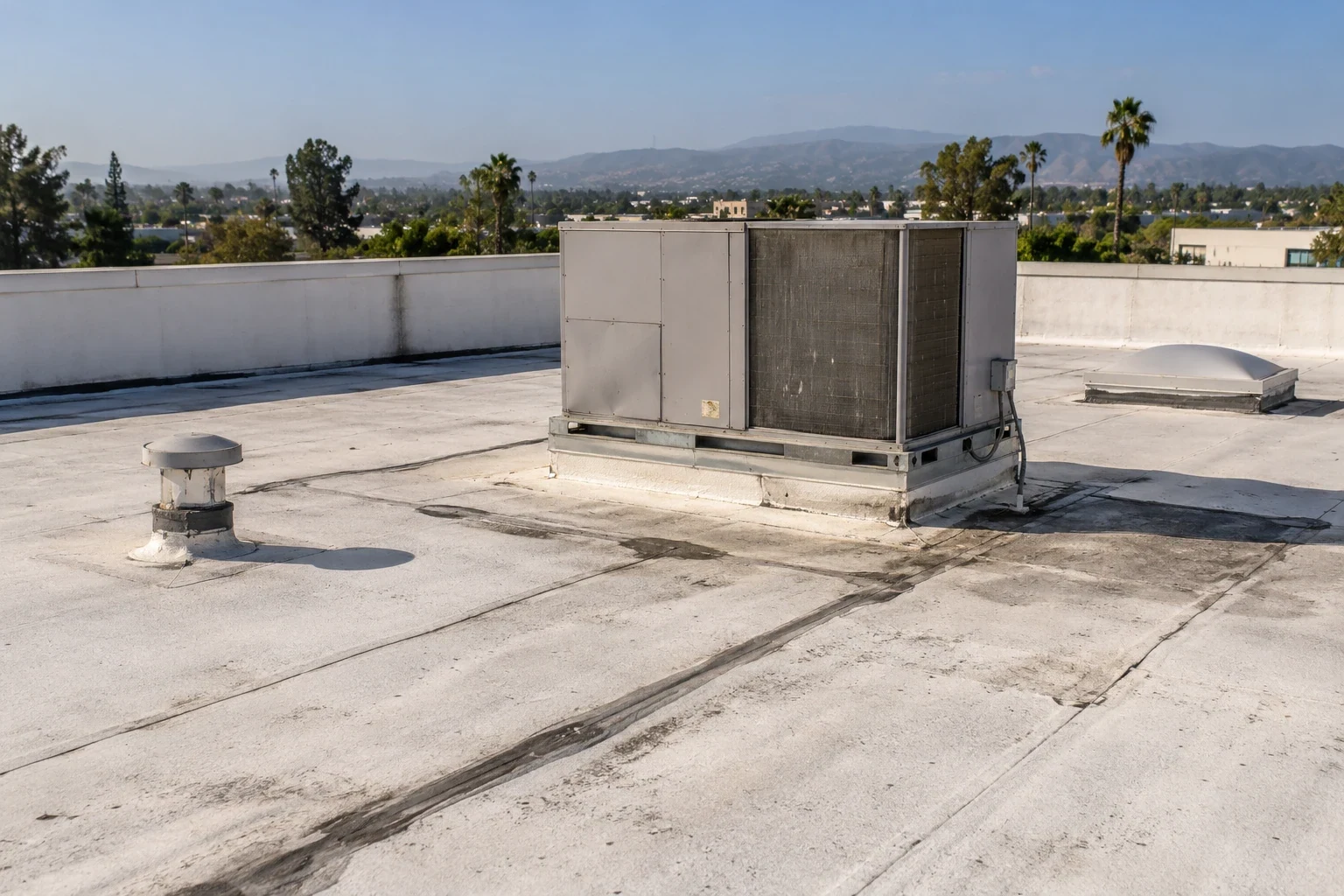
A low spot may come from settled insulation rather than a defective membrane. Adding a uniform layer follows that depression. We check slopes and outlets, then determine whether localized tapered insulation or drain and scupper corrections can resolve the condition. Added construction cannot reduce an overflow opening or leave the primary drain isolated behind a raised perimeter. Drainage measurements therefore belong before final assembly selection.
Mira Loma has distribution activity and an existing Del Real Foods manufacturing building; a refrigerated-warehouse addition to that building received approval in May 2021. On a cold-storage roof, vapor movement and thermal connections deserve specific investigation before a recover. We examine the building's actual temperature conditions and assembly continuity. A roof that works over ordinary storage may need a different design where refrigeration creates a strong vapor-pressure difference across the construction.
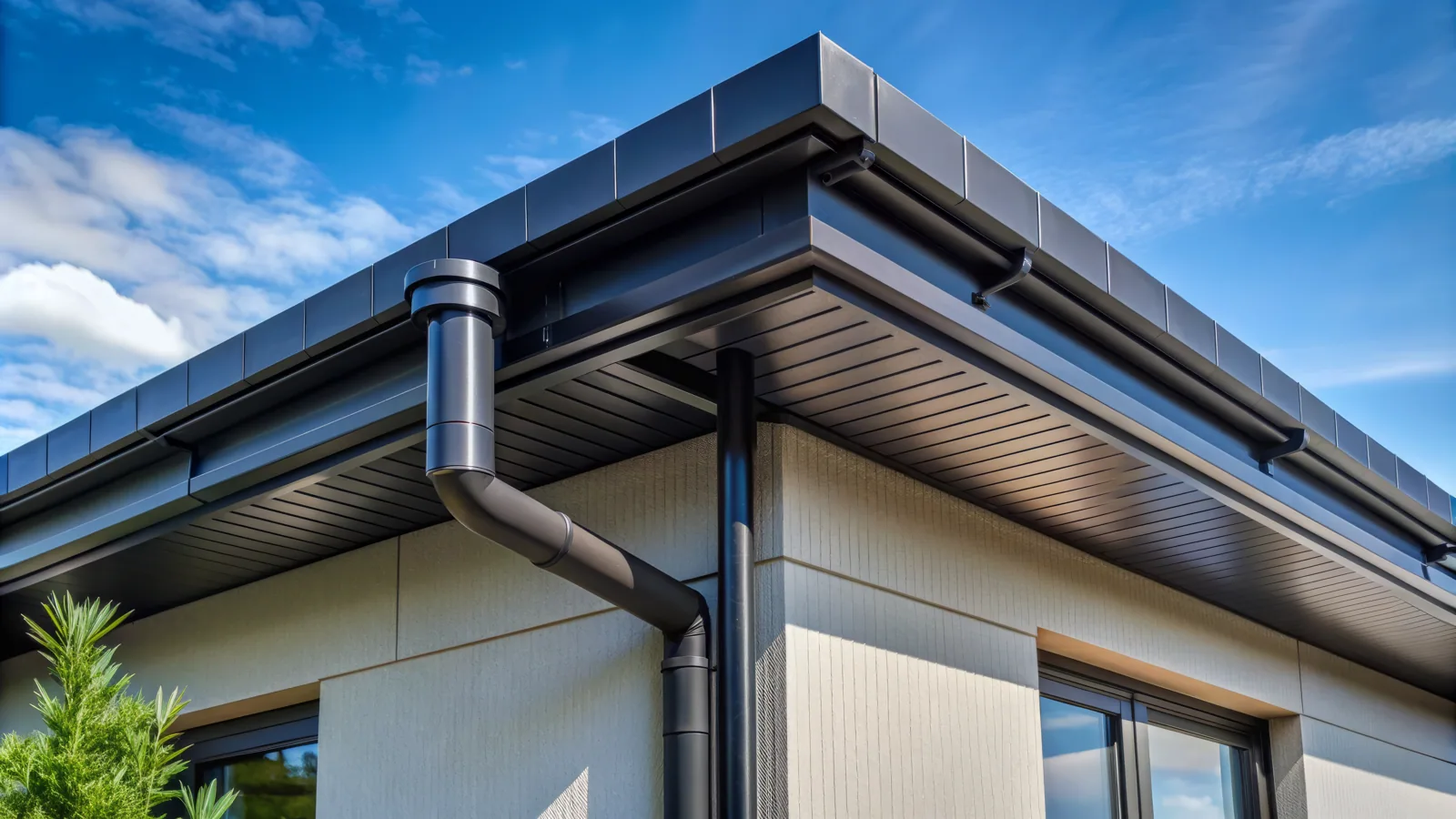
Retaining qualified layers can reduce disposal, deck exposure and replacement insulation. Those savings need to be compared with preparation, fastening, flashing changes and moisture removal. We separate these components so two proposals can be judged on equivalent work. A low overlay allowance that omits curb extensions or wet insulation removal is not the same scope as a complete recover. The omitted work will still have to be addressed for the assembly to function.
California's 2025 Building Standards Code became effective for permit applications dated January 1, 2026 or later. The applicable layer limits, energy requirements and assembly approval must be checked for the project. We confirm the existing construction and proposed work before settling the permit path. For properties in Pedley, daily access and weather protection also affect the work sequence. Those operating details matter where selective removal exposes an occupied area during an otherwise limited-disruption recover.
A bounded wet area can sometimes be replaced within a recover project. We establish the damage limit, examine surrounding construction and design the connection to the retained layers. The option becomes less useful if moisture or attachment failures extend through separate areas that cannot be isolated cleanly.
The proposed assembly adds load and has its own attachment requirements. We assess deck condition and obtain design input where capacity is uncertain. A mechanically attached roof also needs a substrate that can hold the specified fasteners. Surface preparation alone cannot settle those questions.
Flashing height decides whether a curb can stay at its current elevation. We measure the available upstand after accounting for the new roof thickness. Units that interfere with a complete detail may need lifting or curb modification, with the equipment trade included in the schedule.
Extensive wet layers, unstable attachment, incompatible materials or major height corrections can erase the benefit of retention. We compare the physical corrective work against removal and replacement. The decision should reflect a complete roof assembly, rather than the price of covering its upper surface.