Repair commercial roofs in Jurupa Valley with defined damage limits, compatible membrane and flashing details, and removal of connected wet materials.
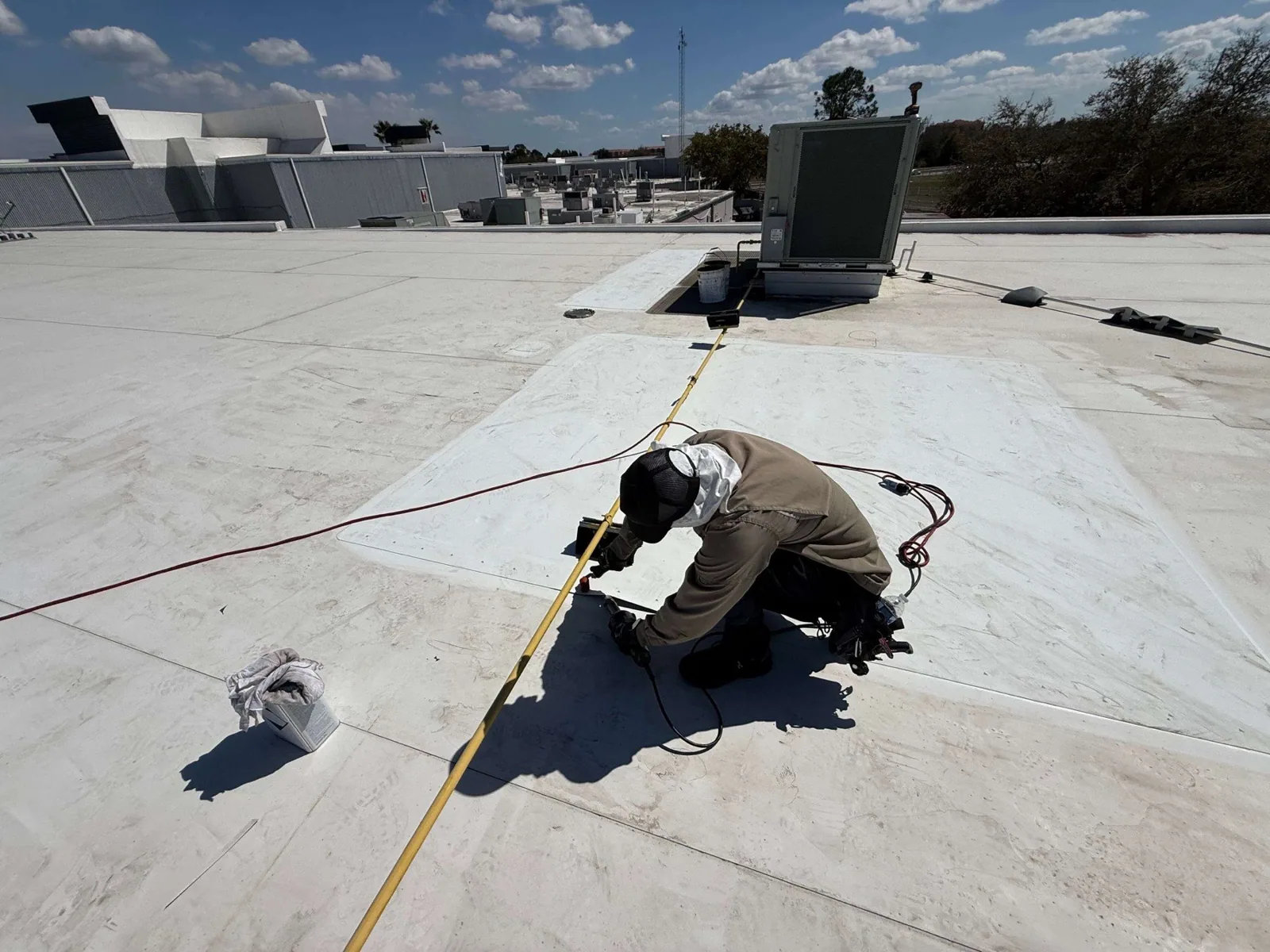
A cracked pipe flashing with firm, dry construction beside it may need a defined detail replacement rather than removal of the whole roof. The repair allowance changes if the same crack has soaked the board underneath. We inspect both conditions at your Jurupa Valley, CA building and set a work boundary that includes the connected failure. Closing the visible opening is only part of the job. The patch needs a stable receiving surface and a drainage path that does not keep the joint submerged.
Retail businesses along Mission Boulevard and industrial uses in Mira Loma create different repair access needs. We plan the work around the occupied area under the defect, equipment serving it and the route for material handling. Planned repairs can address seams, penetrations, perimeter components and localized insulation damage. Where the findings extend beyond a bounded repair, we explain the larger scope before committing to a patch that leaves the next failure untreated.
A puncture, split seam and failed wall termination may all admit water, but they require different repairs. We clean and inspect the immediate area, examine the adjacent material and check the connection underneath where necessary. A membrane puncture over a sound board may be patched with compatible material. A split caused by movement needs attention to the stress creating it. Simply adding thickness across a moving joint can shift the tear to the patch edge.
Our hands-on roof inspection records defects with photographs and their positions relative to drains, equipment and walls. We mark the repair boundaries and identify the layers being removed. Where moisture is suspected, sample openings or additional testing help distinguish surface damage from wet insulation. A general contractor can then compare like work: sheet repair, detail replacement or a localized assembly replacement that includes the board and insulation.
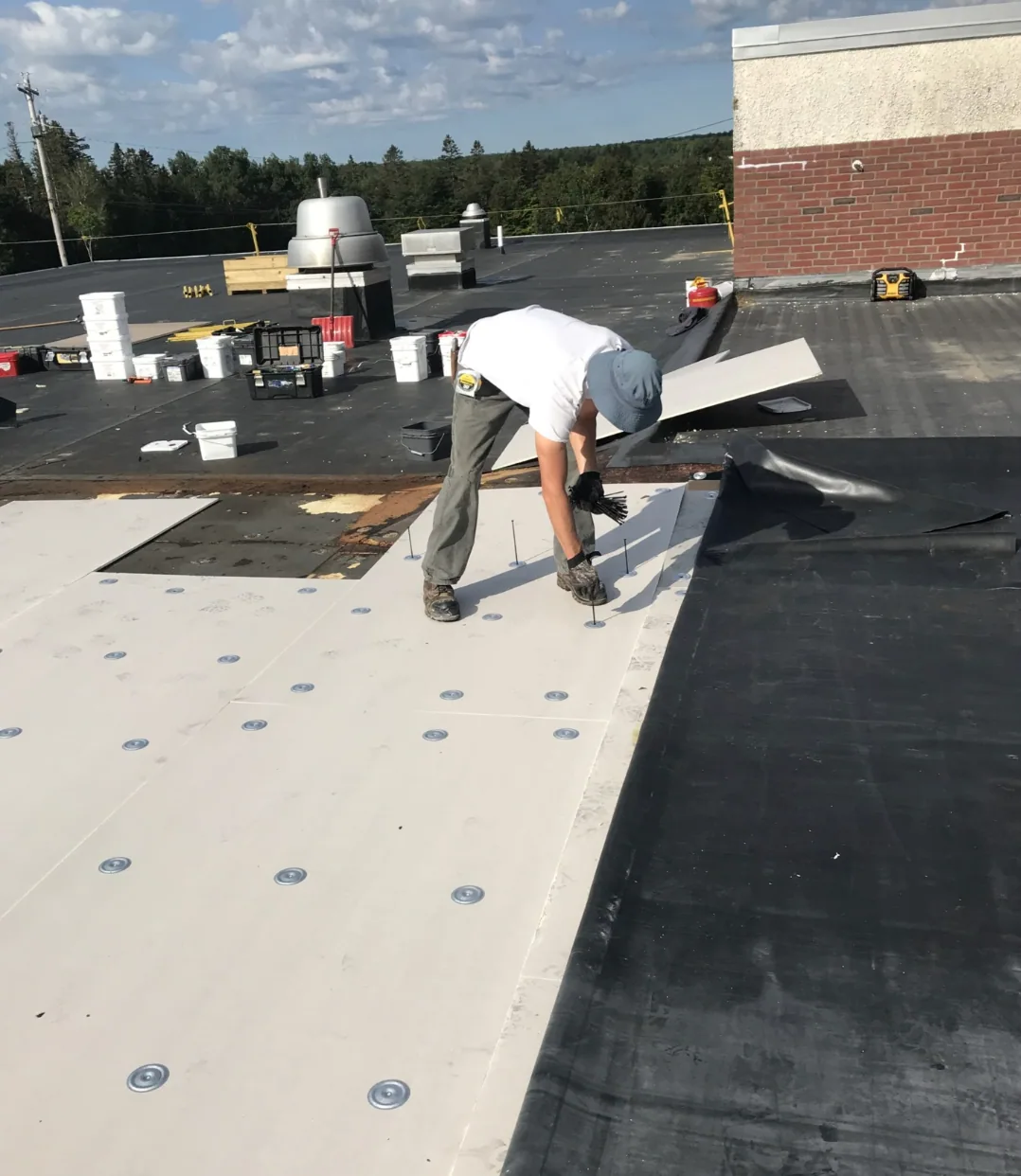
We review previous patches as well as the original construction. A hard mound of old repair material can prevent a new sheet from lying evenly. Loose compound can become the weakest connection in a repair. Contamination may interfere with welding or adhesive contact. The scope states what must be stripped back and where the new material will meet stable roofing. Preparation is visible work, with a cost and a purpose, rather than an undefined first step.
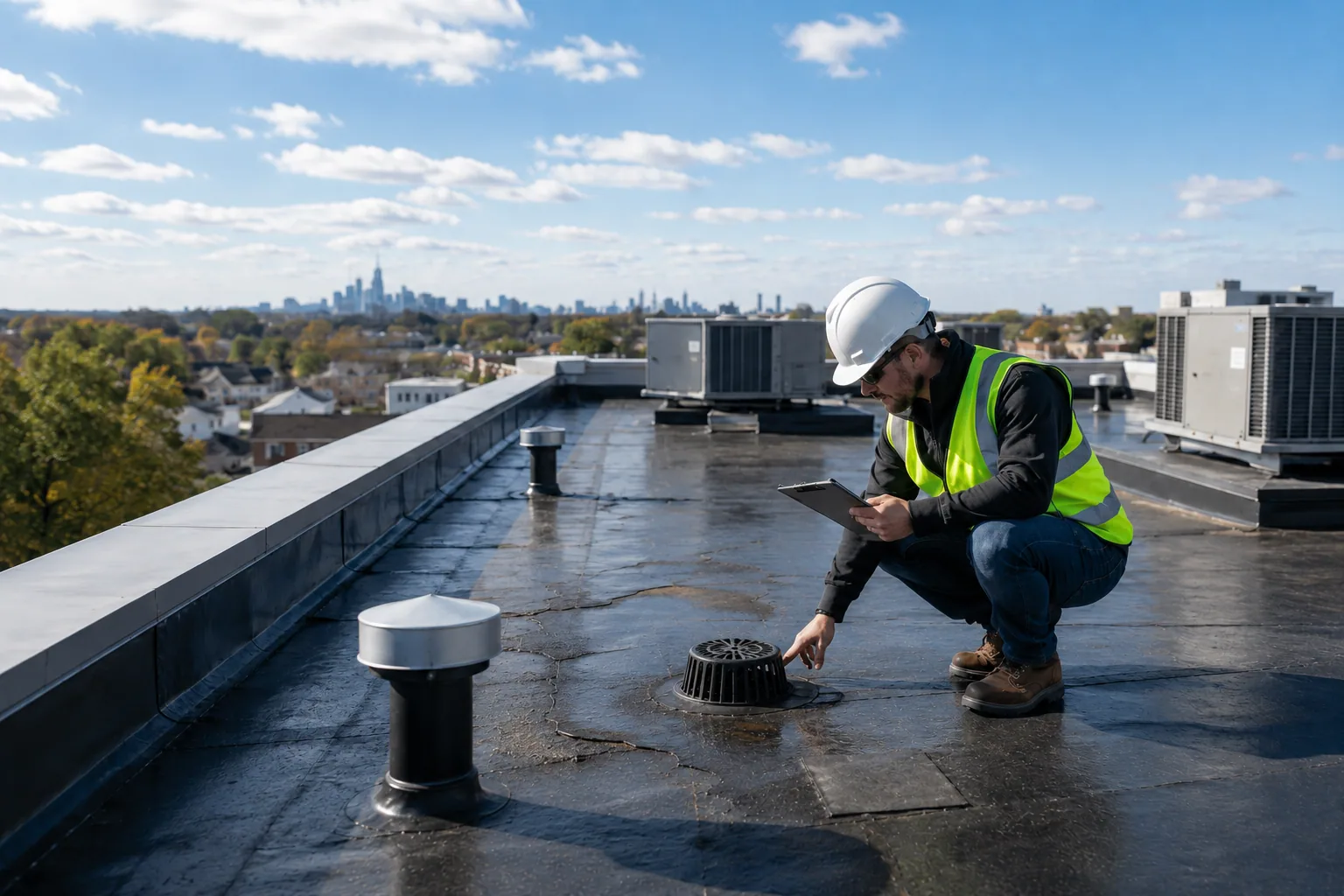
At a curb, the critical work may be the corner reinforcement, upper termination or joint between the curb and field membrane. We identify the failed component and restore the full connection. A new flashing installed against deteriorated wood or loose metal remains dependent on that weak substrate. Removal may therefore extend beyond the exposed crack. We explain that replacement section before the work begins and show which sound components can stay.
Repairing a failed seam calls for compatible sheet material and a clean, workable receiving surface. Thermoplastic welds need appropriate preparation and checks of the finished seam. Rubber membranes use different joining materials and techniques. We establish the system before choosing a patch method. Mixing repair materials without checking compatibility can produce a short-lived connection even when the patch appears firmly attached on installation day.
Metal roof repairs involve joints, penetrations and fastening as well as the panels themselves. A loose screw, enlarged hole or compressed gasket needs a repair suited to the existing metal and connection. Movement allowances must remain functional. On standing-seam metal roofing, we inspect the seam and adjoining details before choosing a treatment. Blanket sealant application can hide the point that needs mechanical correction and make later work harder to diagnose.
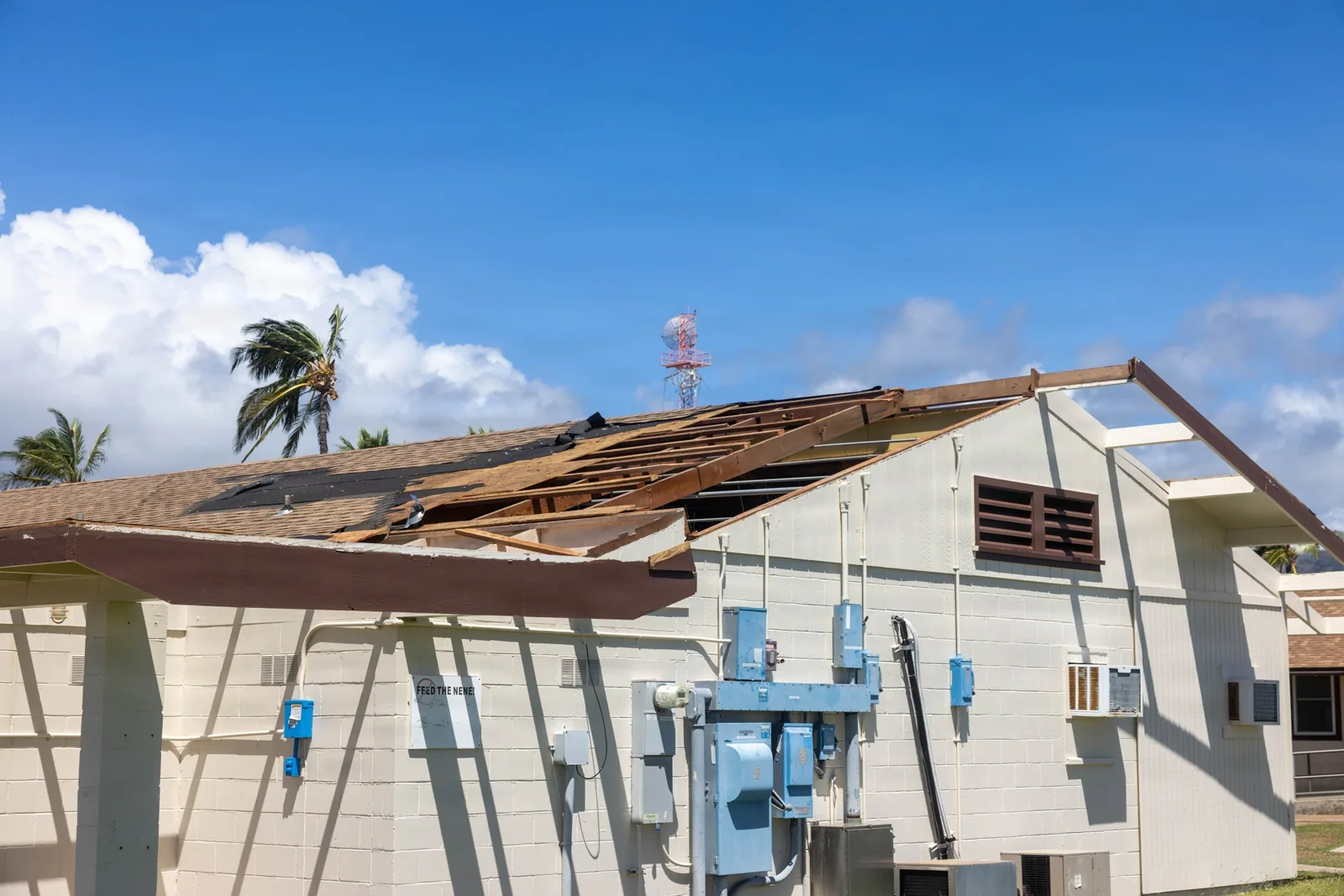
An opening over electrical equipment or sensitive stock needs a different sequence from an opening above an unused storage room. We establish the interior exposure, arrange necessary protection and limit removal to an area that can be rebuilt within the available work period. The building operator identifies access restrictions and equipment that cannot be interrupted. We then select the repair stages, including temporary closures where a connected trade must complete its work first.
Rubidoux Town Center is Jurupa Valley's oldest commercial area, with businesses along Mission Boulevard. Repair work in Rubidoux may involve adjoining tenants sharing access or a common roof edge. We identify the actual ownership and physical repair boundary before removing a shared component. For a shopping-center roof repair, pedestrian routes and overhead debris control must remain part of the plan while the failed detail is exposed.
Repeated splitting can point to movement, unsupported sheet or an abrupt insulation transition. Repeated leakage at a drain can involve a loose connection or water held above the inlet. We look for the mechanism and include the corrective work where it falls within the repair scope. An owner should be able to identify what changed after repair. A thicker coating over the same defective detail is not a complete answer to a recurring mechanical failure.
Jurupa Valley's regional heat places exposed repair compounds and seals under thermal stress. Santa Ana winds can also disturb vulnerable roof components. We check the actual surface and fastening, then choose repairs compatible with the existing assembly and application conditions. For coatings or adhesive repairs, cleaning, drying and material condition affect bond quality. We allow the required preparation time instead of treating the visible patch area as the only source of labor.
Water held against a repaired detail may still need drainage correction. We examine whether the obstruction is debris, a depressed insulation section or an inlet problem. A drainage repair can be smaller than a broad roof replacement, but it must address the reason water collects. We separate routine outlet clearing from reconstruction so the owner knows which condition is being corrected and what will remain for future work.
The amount of membrane is only one cost driver. Surface stripping, insulation removal, flashing corners, equipment handling and temporary protection can dominate a small repair. We describe those items so a limited work area does not imply a simple installation. Where wet material extends beyond the initial opening, the scope includes how we will establish the additional boundary. That gives the general contractor a practical basis for deciding whether to proceed or revise the allowance.
Some defects can be grouped into one planned visit without combining unrelated assemblies into the same repair method. We keep the findings separate by physical condition and show which work should happen first to protect the building. Maintenance items that do not require removal remain distinguishable from replacement details. Once the repair is completed, photographs and the marked work locations give the owner a usable record for future inspection and equipment changes.
We inspect the old patch and adjoining sheet before choosing the connection. Unstable compound or incompatible material may need removal. The new repair must reach sound roofing, with sufficient space to form a complete seam or bonded detail rather than relying on the failing patch underneath.
Water can damage the layer supporting the flashing. Replacing that material restores the firm surface needed by the new detail. We show the moisture boundary and separate the insulation work from the flashing installation, so the additional removal follows the finding rather than an assumption.
Related drainage defects can be addressed together where they affect the same roof area. We inspect the gutter connection, outlet and adjacent flashing to establish the complete repair. An unrelated cosmetic metal issue can remain a separate choice instead of enlarging the water-control scope.
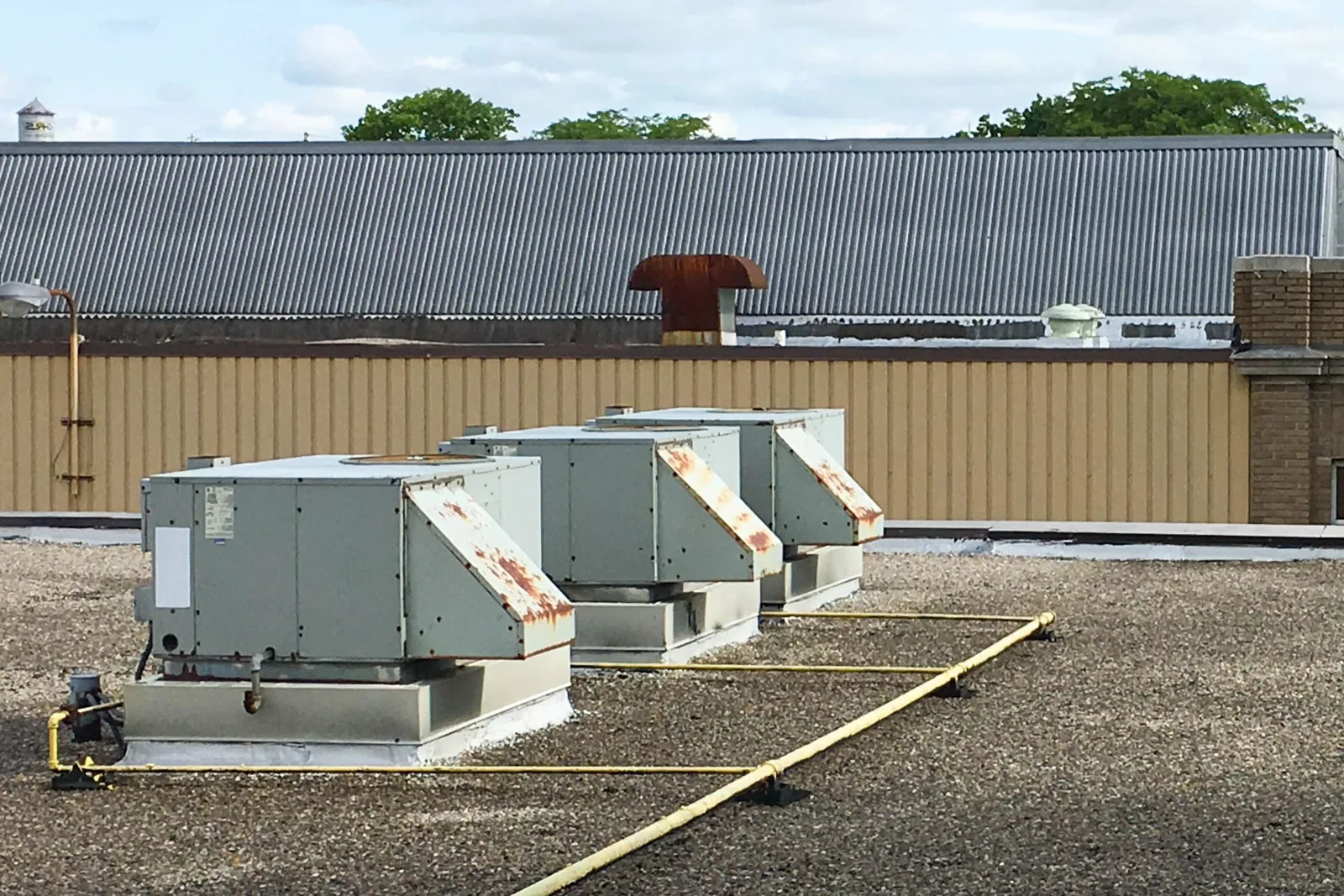
A dry, stable defect may be scheduled with the shutdown after assessment. Active leakage or loose components can require interim protection sooner. We distinguish that immediate work from the permanent repair, including what will need reopening when the equipment trade gains access.