Plan commercial roofing in Mira Loma, CA around distribution activity, wind exposure, equipment, and the confirmed limits of each repair area.
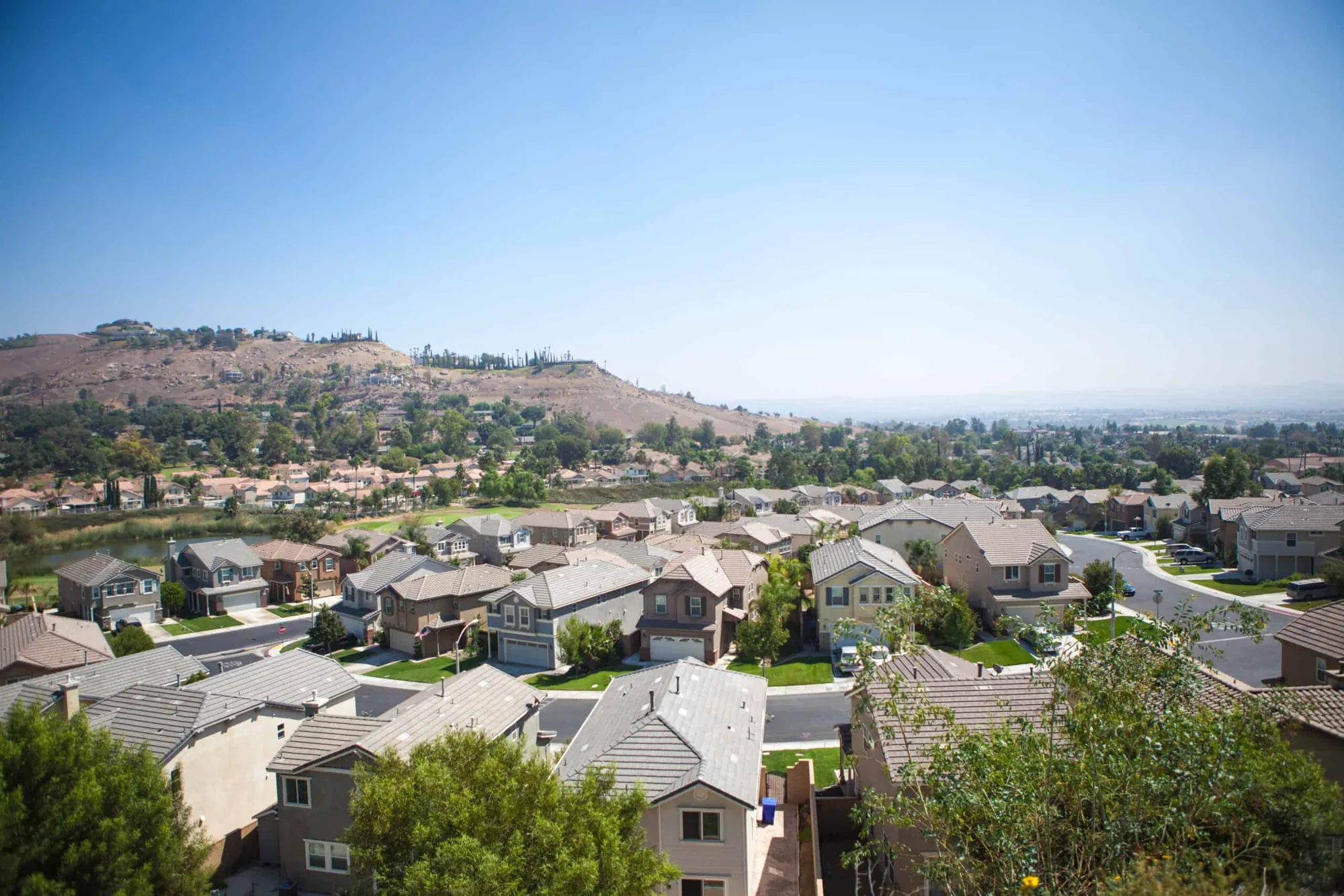
A lifted perimeter flashing can leave a roof edge vulnerable while the field membrane still appears intact. In a Mira Loma industrial property, the useful scope identifies the loosened material, the attachment behind it, and the route water could take below the edge. We inspect the actual roof before choosing repair or replacement. The owner gets a defined work boundary and the construction needed to close it, including any curb, gutter, or drainage details affected by the same condition.
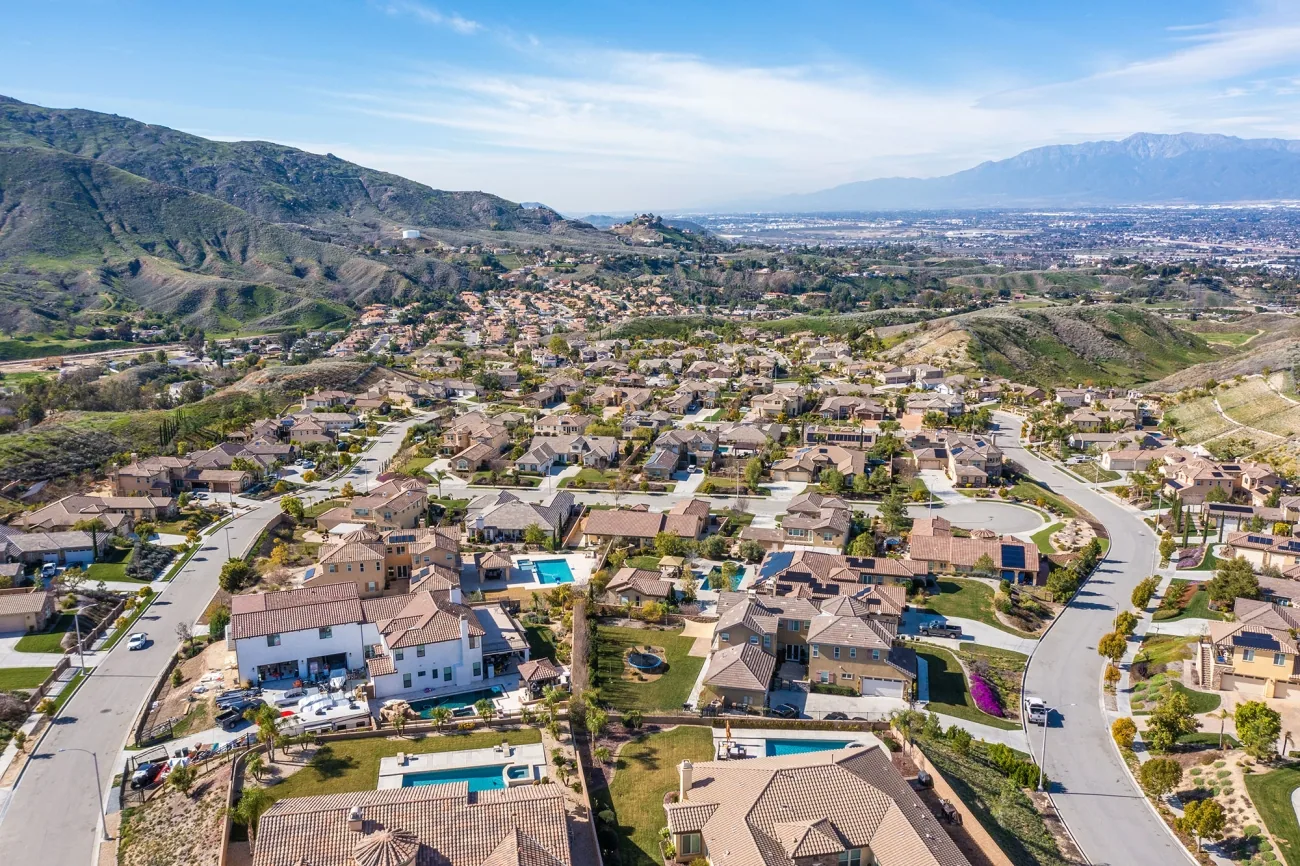
Mira Loma is Jurupa Valley's industrial community, with distribution operations associated with Costco, Walmart, FedEx, and UPS. Those examples establish the area's logistics context, not the roof type or condition at another property. We ask how the building receives freight, when loading areas can be released, and whether rooftop equipment shares the staging route. That information lets a general contractor compare roofing work with the operating schedule instead of treating the site as an empty roof field.
Wind-related damage can involve edge metal, fasteners, membrane terminations, and flashings at different points along a building. The Southern California weather history records damage and injuries in Mira Loma during Santa Ana winds on December 25 and 26, 2000. Mira Loma experienced damage and injuries during Santa Ana winds on December 25 and 26, 2000. That event makes edge attachment a useful inspection focus today. We check current fasteners, exposed sealant, corners, penetrations, and nearby transitions to determine what has loosened or separated.
A lifted edge may have allowed water behind the membrane and into insulation. We trace the interior report against roof geometry and inspect the adjacent surface, rather than assume that the visible separation contains all affected material. If moisture is suspected, an infrared moisture survey can identify areas for physical confirmation. The proposal then distinguishes confirmed removal from a portion that needs further access or testing before quantities are fixed.
Distribution sites can have long access routes, roof-mounted equipment, and active loading areas, but the roof plan should use the conditions at the specific building. We identify lift locations, safe paths, and restrictions on crossing production or storage zones. An inspection report with marked findings records the observed damage and gives the operator a map for coordinating repair, future maintenance, and any work that touches roof openings.
A contained edge defect may be repairable if the substrate is sound and the field material can receive a compatible termination. We remove loose or damaged components, prepare the receiving surfaces, and reconnect the roof system through its prescribed attachment and flashing details. Where corrosion, wet insulation, or repeated separation continues beyond the edge, the scope shows that expanded boundary. A patch that covers loose metal without correcting its attachment would leave the same movement point beneath the new surface.
A recover is a separate choice. We assess moisture, existing attachment, finished height, and the way added layers meet drains and perimeter conditions. Retaining an unsuitable edge can make the added system's termination difficult to complete. Replacement exposes more of the assembly and may permit a clearer reconstruction, but the owner should see material removal, staging, and edge work in its own allowance. We compare those physical consequences before specifying a retained or replacement assembly.
Repair preparation affects whether the new material bonds or fastens as intended. We identify rust, old sealant, adhered coating, loose surfacing, and other conditions that change the receiving surface. If the edge opens into a wall or canopy, the termination must be checked there as well. A quote should state preparation and finishing tasks separately from the sheet or metal quantity, so the contractor can compare a complete correction against a surface-only treatment.
A compatible standing-seam metal detail differs from membrane edge work, and a coping or edge-metal correction has to meet the actual roof termination. We document existing material, attachment, and transitions before proposing the new detail. Where the building contains both membrane and metal areas, the scope identifies each section separately so the repair at one edge does not imply that the other system has the same failure or remedy.
Opening a roof above active freight operations calls for a release plan. We confirm delivery periods, equipment routes, and the portion of the building that can be isolated. Material staging should not obstruct roof drains, mechanical service paths, or the operator's required access. The roofing crew needs a defined work area and a safe route to it; the facility contact needs a clear account of the interior zone below and the expected daily closure.
A May 2021 city approval covered expanded refrigerated space at Del Real Foods' existing Mira Loma manufacturing site. The submitted project grouped that area with shipping, receiving, offices, restrooms, packing, and a breakroom. For roofing above active freight, we confirm the rooms below the opening, deliveries, equipment releases, and work hours with the facility operator before scheduling removal.
Where schedule limits require sections, the work plan identifies the boundary that can be opened, rebuilt, and made weather-tight during each release. A phased reroof for an occupied property also accounts for temporary protection and transitions between completed and upcoming areas. The operator can review when loading access changes and where rooftop equipment work may need another trade. The schedule reflects these dependencies rather than measuring progress only by membrane placement.
Cost and timing change with the length of affected edge, the condition of attachment, the amount of wet material, and any deck or insulation correction. Lift access, freight traffic, and work-hour limits can add handling steps. We list those drivers separately so the owner can compare a defined edge repair with broader replacement. A surface patch may carry a smaller immediate quantity, while an incomplete attachment correction can leave repeat exposure and additional future opening.
When several buildings are involved, each roof should receive its own record of assembly, condition, access, and repair limit. We can group mobilization or coordinate shared staging where the site plan supports it, while keeping each building's findings distinct. The roofing needs of a logistics operation also depend on the use and schedule the operator identifies. The operator's current schedule and the inspected roof configuration set the staging plan for each facility.
Owners can prioritize an active leak or exposed perimeter first, then use a roof capital plan to compare the remaining work. Each proposed stage should identify what stays in place, what will be removed, and how the tie-in is checked. For adjacent town-center and broader community work, the planned scope can remain separate from properties in Pedley and the Mission Boulevard corridor, where access and use differ.
No. We inspect attachment, substrate, adjacent membrane, and moisture before defining a removal boundary. A contained correction may be possible if the remaining assembly can receive a complete edge detail.
Yes. We coordinate roof access, lift and material placement, loading periods, and the section available for release with the operator. The agreed stage also includes interior protection and end-of-shift closure.
Wet insulation, damaged substrate, failed attachment, or a termination that cannot accept a compatible repair can widen the work. We document which findings support the added quantity and which areas need confirmation.
Keep the roof map, photographs, materials, and work boundary tied to each building. We can note shared access or staging while separating condition findings and quantities so one roof's repair does not stand in for another's.