Inspect commercial roofs in Jurupa Valley for failed seams, wet layers, loose details and drainage defects, with findings that define repair boundaries.
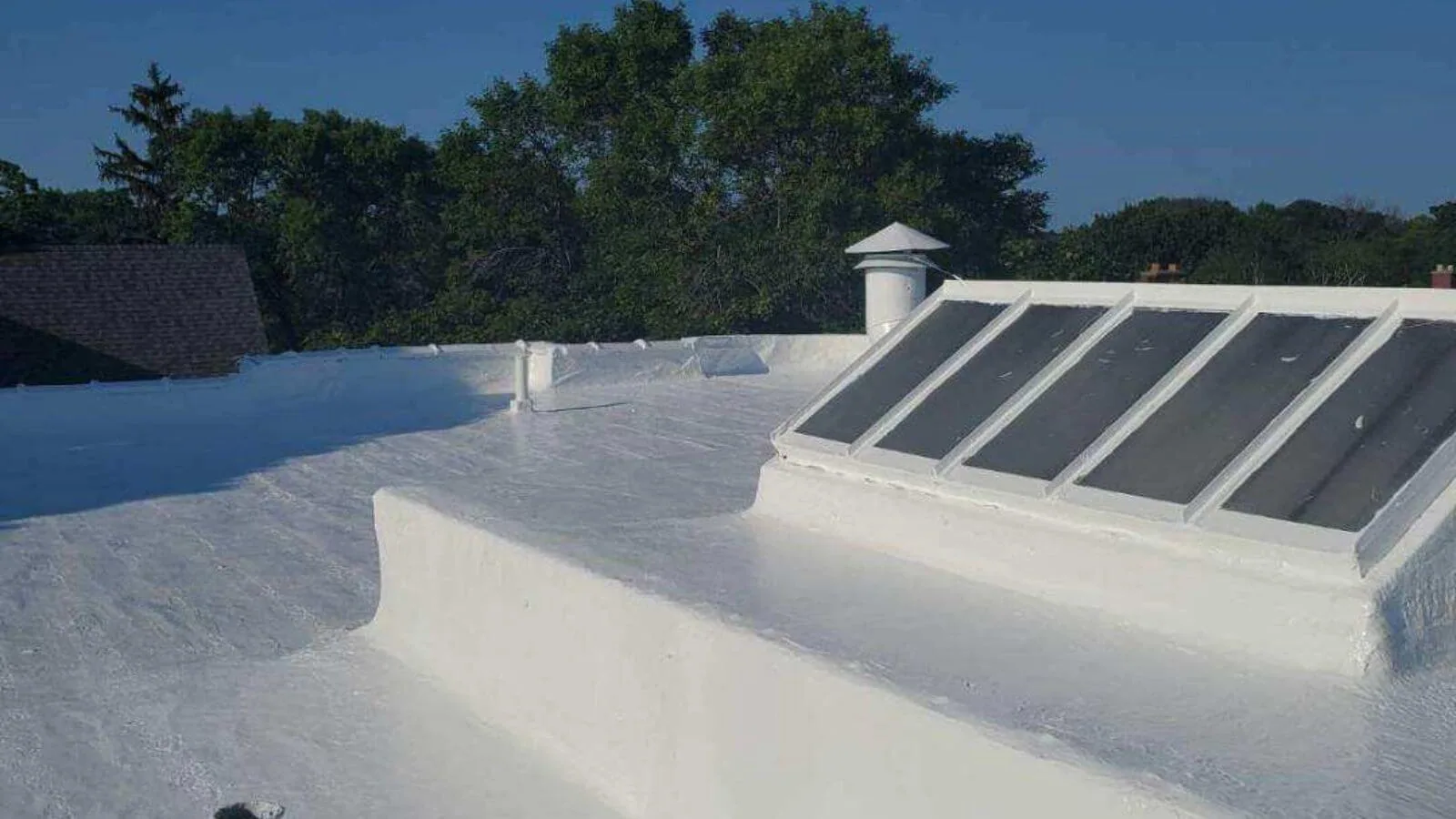
A drain ring pulling away from the surrounding sheet needs a closer look before it becomes a membrane replacement allowance. The failed connection may be localized, or movement and wet insulation may extend underneath it. We conduct commercial roof inspections in Jurupa Valley, CA to establish that difference. The inspection identifies the damaged component, examines the adjoining assembly and gives the owner a practical repair decision. Observations need to connect to physical work, not just a list of roof features.
We assess existing roofs, investigate concerns before construction and examine details after equipment changes. Jurupa Valley has industrial employment areas as well as suburban and rural communities. Roof access, drainage and interior exposure vary with the building. For a general contractor, the useful result is a finding precise enough to define the work boundary and identify connected trades. We explain what was inspected, where further investigation is needed and which repair choices the findings support.
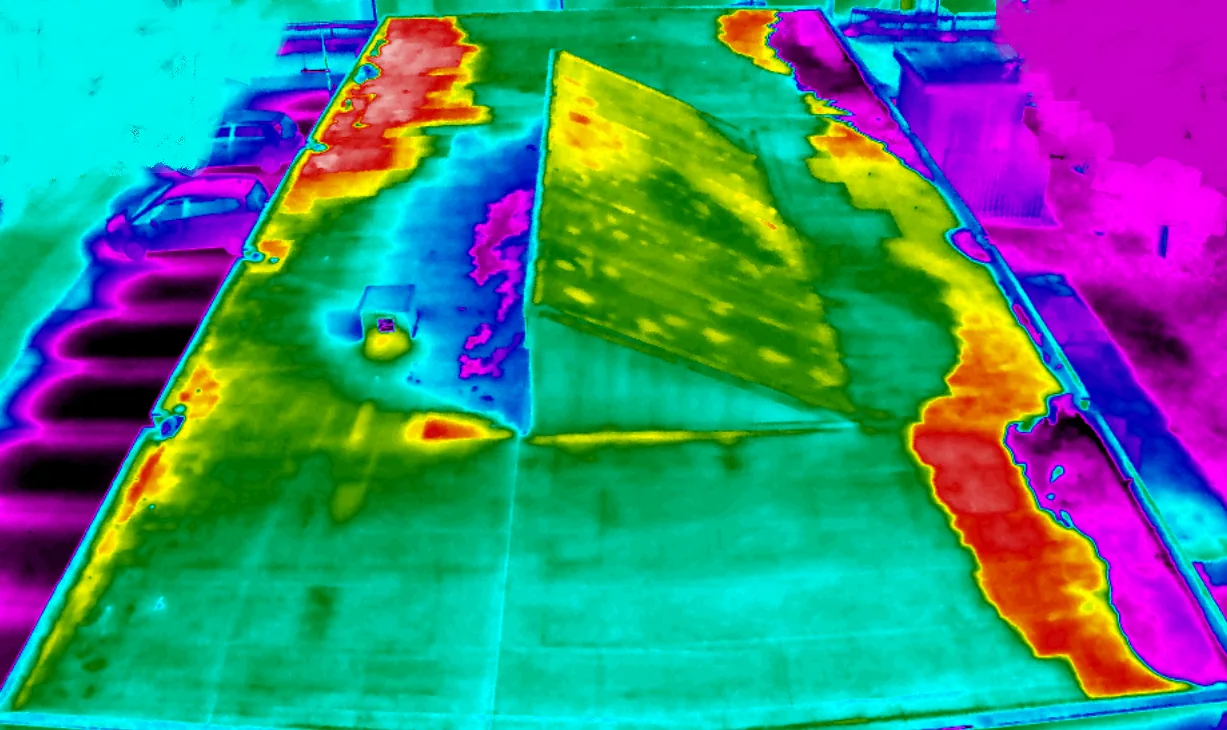
We examine the membrane surface, seams, penetrations, edges and drainage components from accessible roof areas. A loose termination bar or open seam needs physical assessment of the joint and surrounding material. Surface discoloration may call for cleaning or testing before it can be interpreted. We identify the installed assembly where possible and check previous repair locations, paying attention to changes in material or thickness that can affect the next repair connection.
At drains and scuppers, we inspect the water path as well as the outlet. Debris is one possible restriction; crushed insulation, a raised inlet or a damaged flashing connection requires different work. We note water marks and low areas, then assess the reason for them. A recommendation for drainage repairs should distinguish clearing an obstruction from rebuilding a depressed roof section. That difference changes labor, material removal and the expected construction window.
Hands-on seam checks are selected for the installed system. Thermoplastic joints, taped rubber seams and asphalt laps do not respond to the same treatment. We avoid disturbing a sound connection merely to demonstrate access. Where an area is brittle, unstable or unsafe to approach, we record the limit and identify an appropriate investigation method. The findings should make that limitation usable to the owner, with a next step that addresses the unresolved condition.
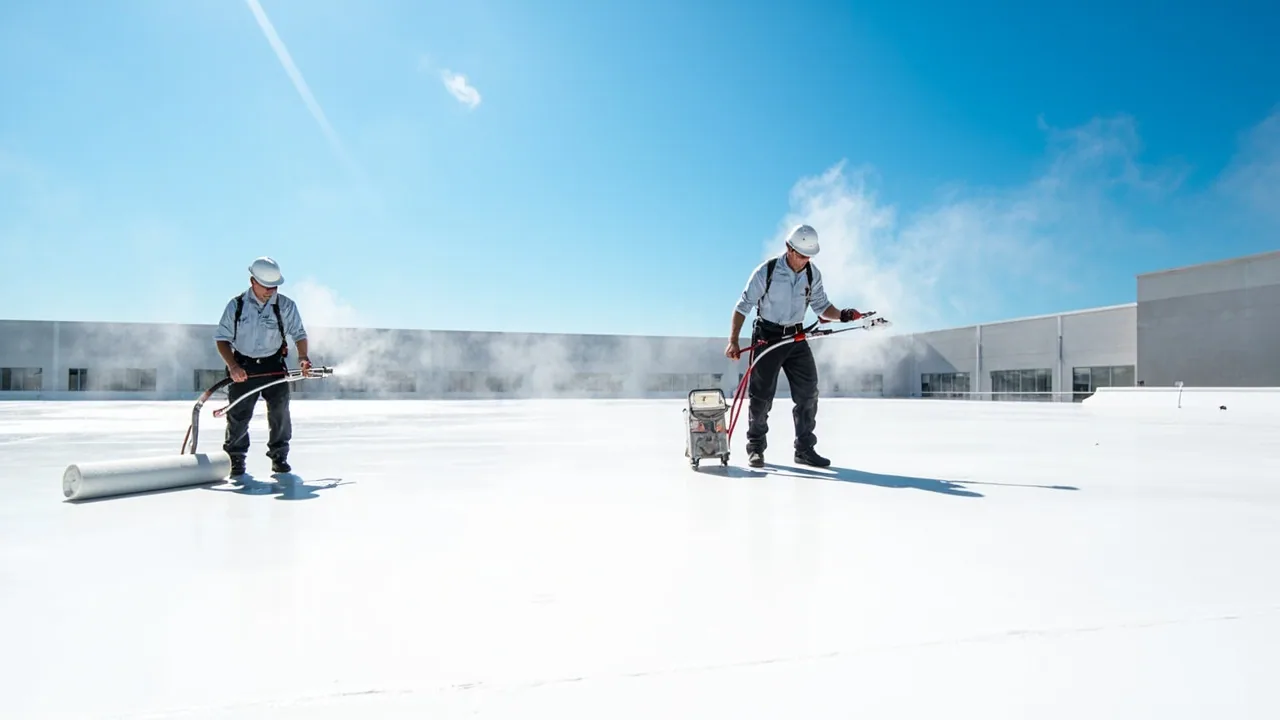
A soft area may involve wet insulation, damaged cover board or an underlying support problem. We check its location and associated defects before recommending openings or additional testing. An infrared survey and core sampling can help establish a moisture-removal boundary where conditions suit the method. A sample confirms the material at that opening. We use the surrounding observations to determine whether more sampling is needed before setting a replacement section.
Attachment concerns require a different investigation. Loose edge metal can reveal damaged supports, missing fasteners or failed connections. A proposed new roof assembly may require pull testing or design input rather than a visual opinion about the old fasteners. We distinguish that testing from routine condition inspection. The general contractor can then arrange the right access and design decision before the roof work reaches an unsupported or structurally uncertain section.
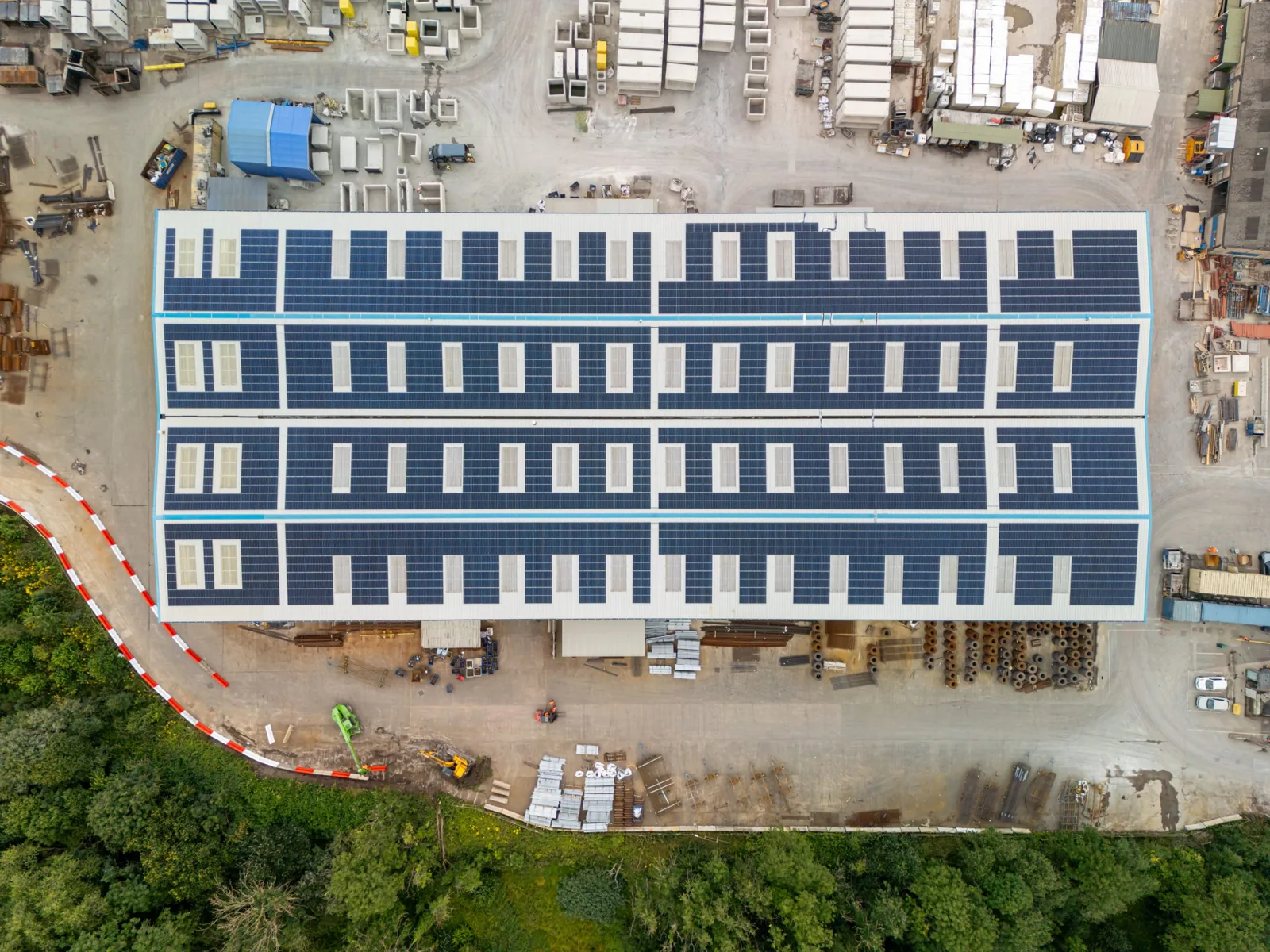
A drone image survey can extend visual coverage across a roof that is difficult to reach. It helps locate visible damage and compare separate areas, but a seam bond or concealed wet layer still needs the appropriate physical check. We combine the methods when that gives a more efficient inspection route. The report identifies which observations came from direct examination and which require closer access before repair selection.
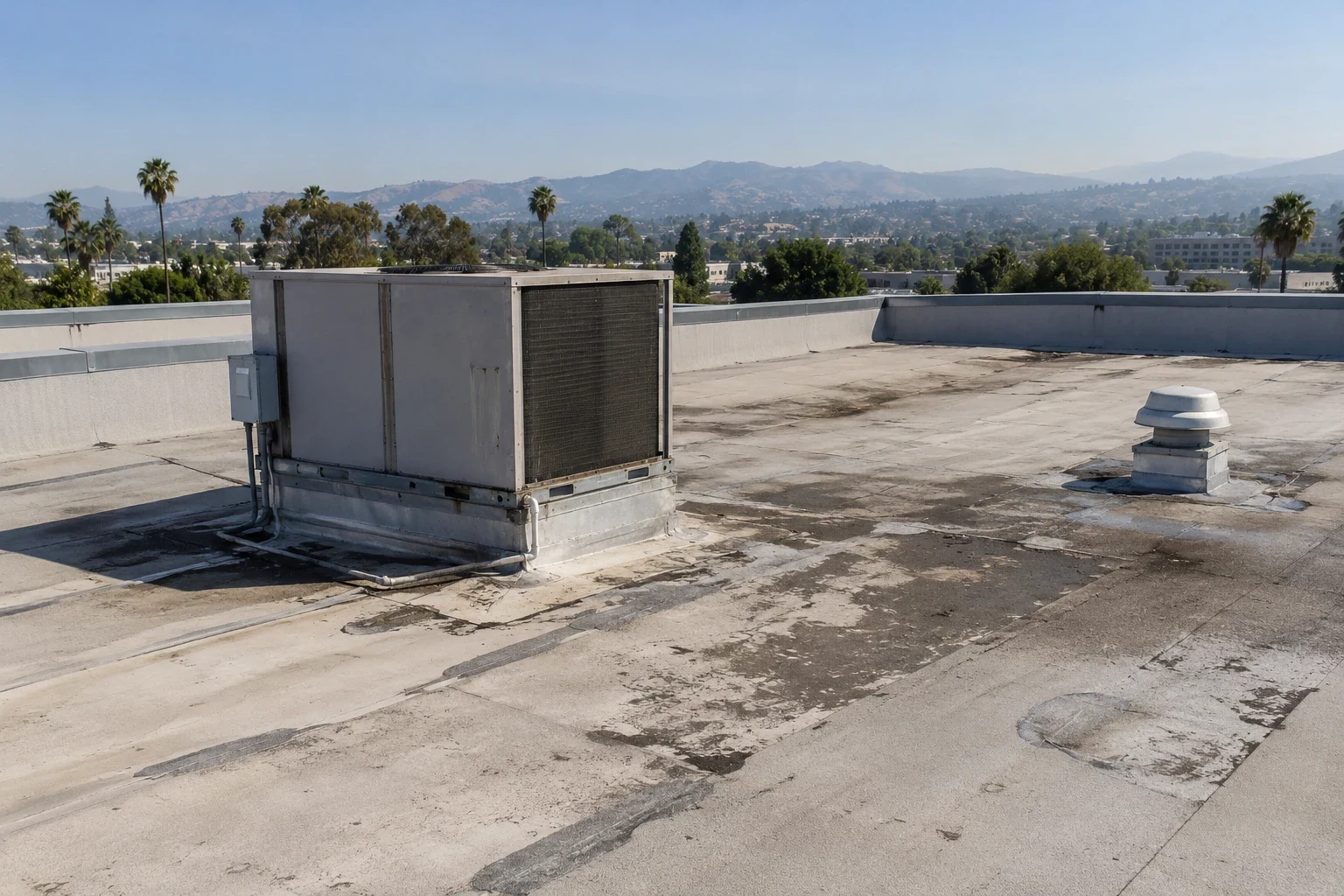
A repair recommendation needs to explain why the adjacent assembly can remain. We assess the receiving surface, support condition and attachment at the proposed boundary. Dry insulation alone does not settle whether a sheet is compatible with a new patch. A firmly attached surface does not settle moisture underneath it. We identify the specific reasons for retention and any additional checks needed to support that choice, instead of treating all construction outside a visible defect as sound.
On built-up roof assemblies, surface aggregate and older repairs may obscure laps or cracks. We examine accessible details and identify areas where preparation is needed for closer inspection. Over an office building, a small leak can also require attention to the occupied ceiling and equipment below. We relate that exposure to repair urgency without converting an isolated roof finding into an unsupported whole-building replacement recommendation.
Inland heat and Santa Ana winds are regional concerns for Jurupa Valley. We inspect exposed sealants, membrane transitions and fastening for their actual condition, including brittle compounds, lifted components and movement at adjoining construction. Wind-related looseness can extend beyond a missing metal piece. Thermal movement can repeatedly stress a rigid repair. The inspection identifies those physical mechanisms so preparation and detail reconstruction can be included in the scope where they are needed.
Glen Avon has a commercial town-center area along Mission Boulevard. An inspection in Glen Avon may need coordinated access between occupied businesses or around a shared roof edge. We establish the actual property layout and permissions before invasive testing. Nearby, Norco College and Corona-Norco Unified School District were among Norco's employers in 2025. School or college roof inspections in that area can require access windows tied to the building's operation, with each restriction recorded against the area needing examination.
Scheduled access should include the people who can identify equipment and interior symptoms. We ask for recent roof alterations, leak locations and maintenance information that affects the investigation. Those details can direct attention to a new curb or previously repaired outlet. We still inspect the actual connection. A construction record is useful when it helps find a detail or understand a material change; it does not take the place of assessing its current condition.
We document observed defects with their locations, photographs and proposed next action. A localized repair can be distinguished from additional testing, maintenance or a replacement section. The findings identify the affected material and the connection that needs restoration. Where concealed damage may expand the work, we describe how its boundary would be established. That lets an owner set a realistic repair allowance without treating every uncertainty as a reason to replace the entire roof.
Inspection cost and timing reflect access, roof complexity, testing and reporting requirements. A crowded equipment area can take more examination than an open membrane field. Invasive sampling adds protection and closure work at each opening. We define these activities before the visit so the inspection has a clear purpose. The resulting recommendations should be detailed enough to price the next physical step, with unresolved conditions identified rather than hidden in broad roof-condition language.
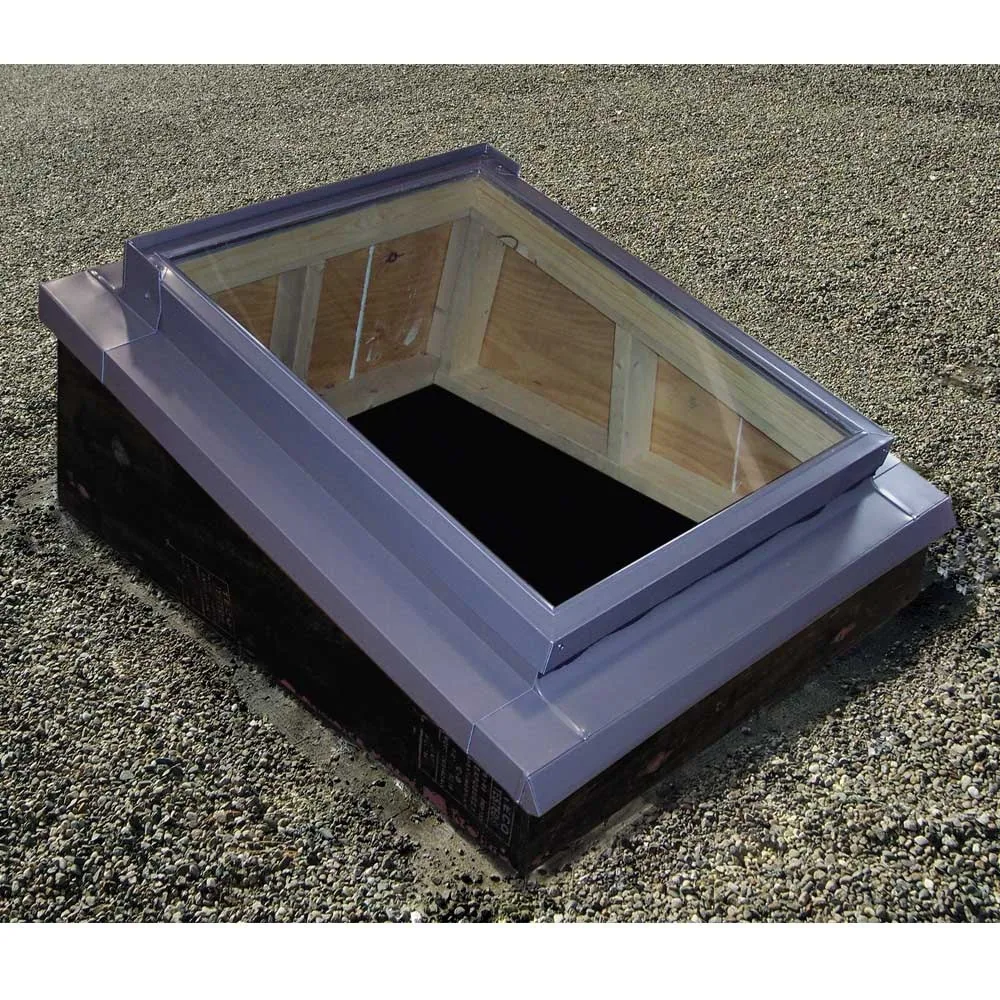
Yes. We examine the proposed locations, available flashing height and existing membrane condition. The findings can identify where a curb or penetration will need a different detail or additional repair. That helps the contractor avoid placing new work into construction already showing deterioration.
Sampling is arranged when it is needed for the agreed investigation. We identify the purpose and suitable locations, then protect and close each opening. Some inspections can establish a repair scope from accessible details; concealed moisture or layer questions may require a separate testing allowance.
A soft spot calls for assessment of the affected support layers. Its cause determines whether the work involves insulation removal, board replacement or deck evaluation. We connect the finding to additional investigation rather than treating surface softness as a complete diagnosis.
We separate active openings and unstable components from items suitable for scheduled attention. The recommendation describes the physical defect and its exposure. That gives the owner a repair sequence tied to roof condition, including any interim protection needed before permanent work can begin.