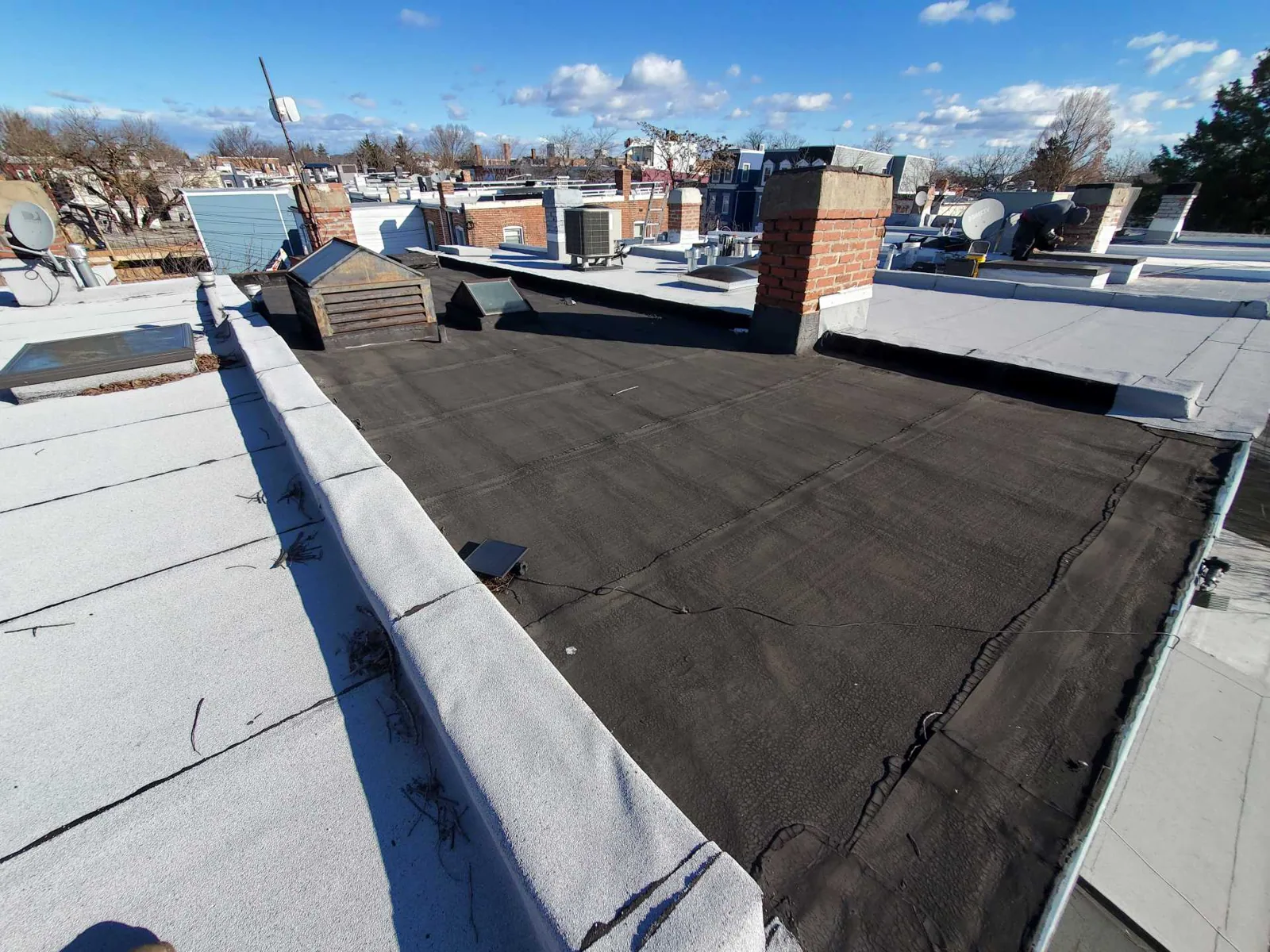
Assess built-up roof repairs in Jurupa Valley with exposed-ply inspection, moisture boundaries and complete reconstruction of damaged asphalt roof sections.
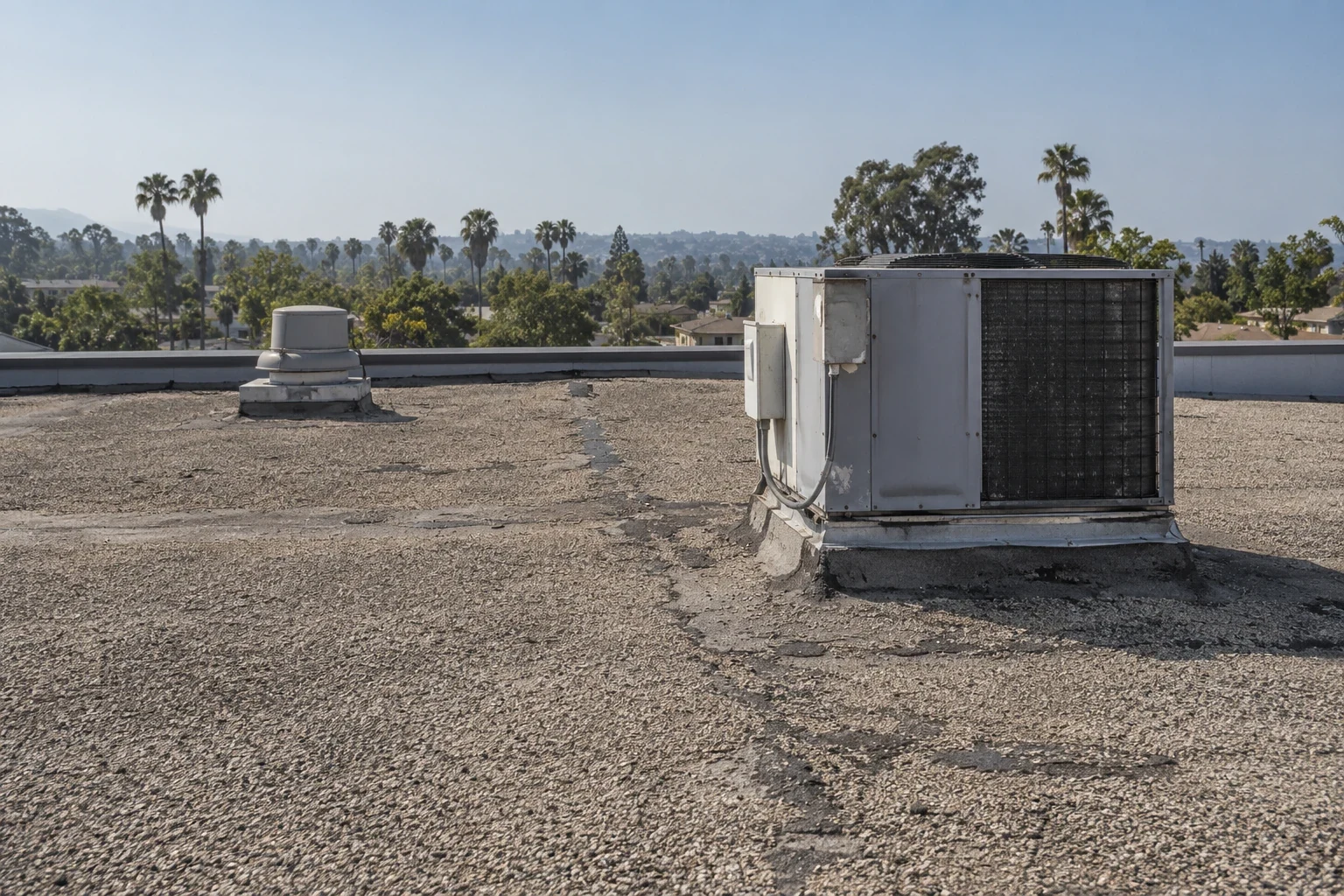
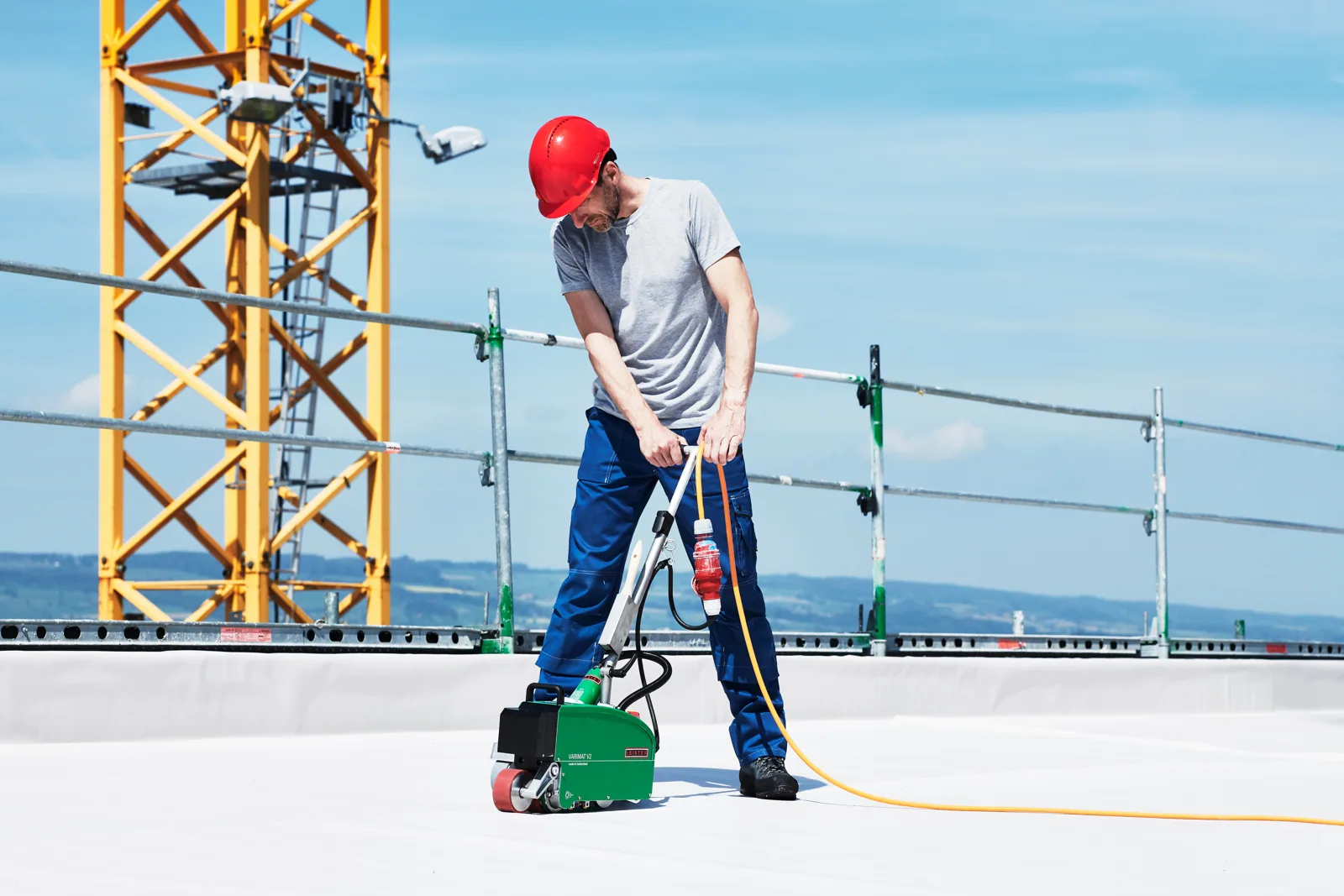
Wet insulation extending between two damaged BUR areas can turn apparently separate patches into one connected removal decision. Retaining the dry roof beyond that boundary may still be practical, while closing only the visible openings leaves affected support between them. We assess built-up roofing in Jurupa Valley, CA by tracing the damaged layers and the construction available for new connections. The owner can compare a joined replacement section with narrower repairs that are supported by the actual moisture findings.
Jurupa Valley's inland region experiences summer heat and winter rainstorms. Manufacturing and warehouse uses also occur in Ontario, while Riverside includes Hunter Industrial Park. At buildings with those exposures or operating needs, roof assessment must reach beyond the protective finish to the asphalt plies and supporting construction. We repair and replace built-up roofs with a defined removal boundary, suitable receiving layers and protection for the building during the work.
Exposed asphalt may show cracks, erosion or damage that needs closer investigation. We assess the adjacent membrane and the condition of its layers before selecting a treatment. Surface wear can be addressed where the underlying assembly remains suitable. Cracked or separated plies need a reconstruction detail that reaches usable material. The proposal identifies that difference so new surfacing is not counted as repair of a damaged multilayer weather connection.
Aggregate can obstruct inspection at suspected failures. We identify the handling needed to expose selected locations and assess the material beneath them. Removal should be controlled so the investigation does not damage otherwise usable membrane. The completed inspection includes appropriate closure of the examined areas. The owner can then evaluate a repair boundary based on findings rather than only the appearance of the gravel-covered field.
Assessment of moisture within the roof assembly can guide physical checks where the insulation condition is uncertain. The visible asphalt defect and wet-layer boundary may differ. We identify both before recommending removal. A narrow split may need a larger supporting-layer replacement, while a broad worn surface may still cover dry construction that can receive restoration after suitable repair and preparation.
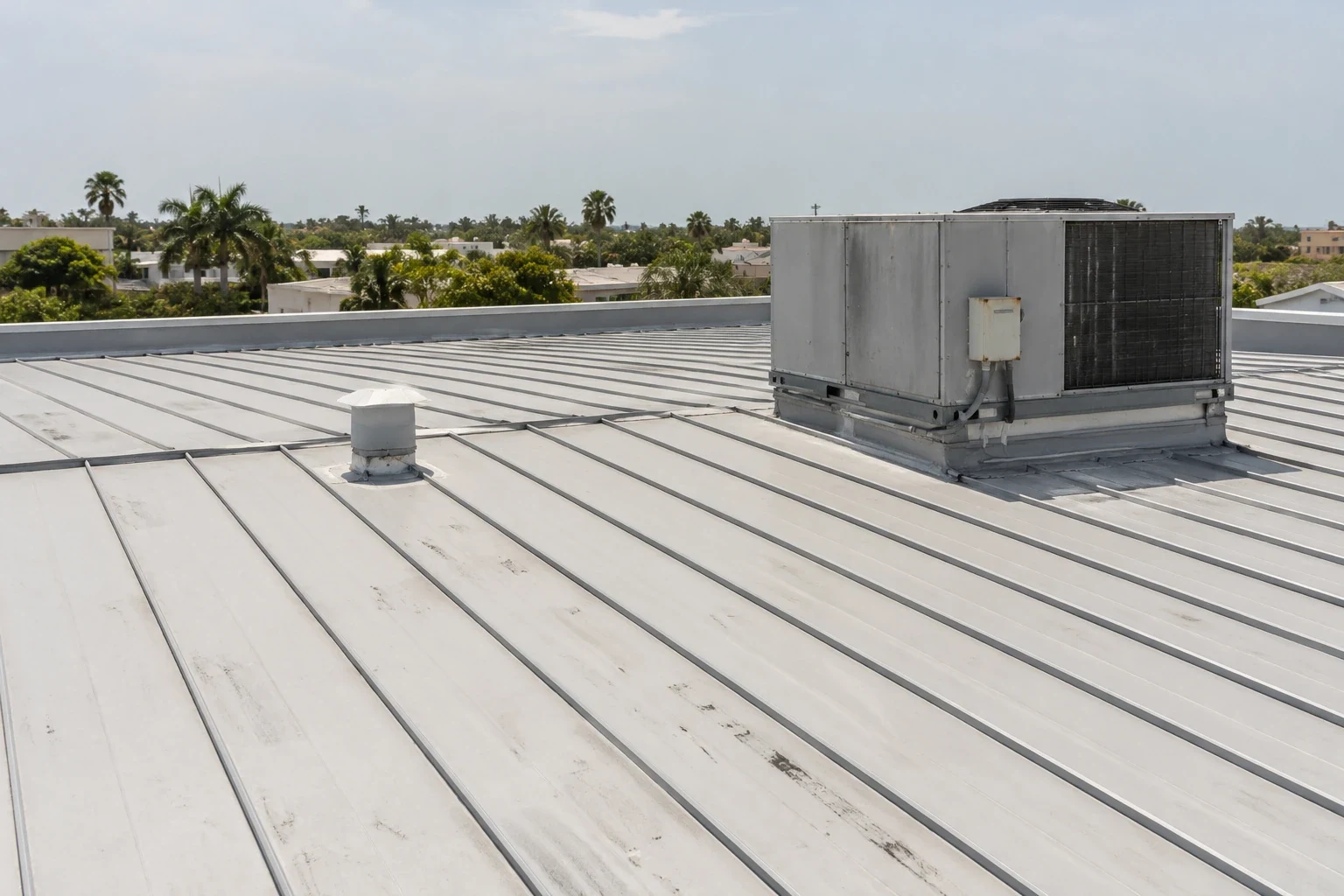
Built-up systems rely on their specified plies working as an assembly. We examine adhesion, splits and previous repairs that affect the proposed connection. A loose top layer should not be treated as a stable receiving surface for additional material. The repair may need removal through that layer before reaching construction capable of receiving the new plies. The resulting boundary can differ from the visible surface mark.
Old repair compounds and incompatible treatments need assessment before new work is applied. We identify their condition and whether suitable removal or preparation is possible. Adding another finish over a deteriorated treatment may make the roof look continuous while leaving the same failed connection beneath it. The scope should describe which material stays and why it can receive the selected repair.
Drainage also affects whether retention is practical. We inspect low areas, outlets and changes caused by previous additions. A sound asphalt section can still need drainage correction if the proposed work would leave an obstructed path. The contractor needs the relationship between retained roof elevations and the replacement layers, including any outlet work requiring another trade. Retention should preserve usable construction without reproducing an unresolved water path.
Localized BUR repair restores the required layer arrangement and its connection to sound adjacent roofing. We establish the removal and preparation limits before applying new material. Wet support and unstable plies are identified separately, with the receiving deck assessed after opening. If the deck needs correction, that work precedes the new weather assembly. New asphalt and reinforcement cannot make unsuitable support capable of receiving attachment or carrying the replacement layers.
Replacing affected insulation and cover board can change the finished elevation of the repaired section. We coordinate that height with perimeter transitions and drains. The repair should meet the retained roof without forming a barrier that holds runoff outside an outlet. Where supporting-layer replacement requires a broader taper or transition, it belongs in the construction scope rather than being left to an improvised field adjustment.
Curbs, walls and penetrations may need their own flashing reconstruction alongside the field repair. We assess backing and the lower connection before forming those details. A field section can be completed while an adjacent failed flashing continues to admit water unless both tasks are included. The contractor should see the complete weather boundary, including any equipment work needed to reach the connection.
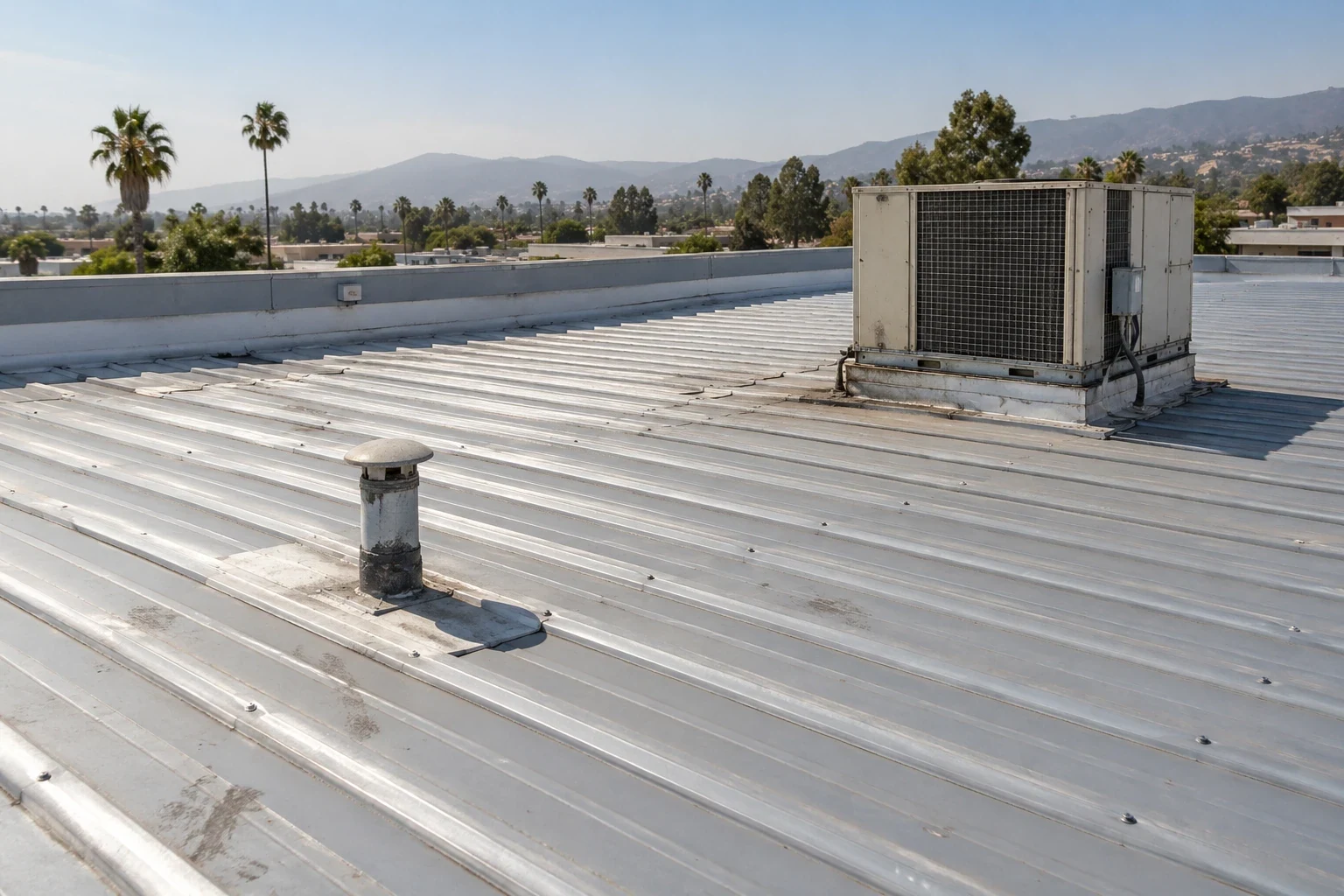
Modified-bitumen replacement may be an option where its specified construction suits the receiving roof. We compare the removal, support and application requirements with rebuilding the existing asphalt assembly. The two scopes can have different layer and detail arrangements. The owner needs those differences described alongside the exposed material so the decision accounts for the construction actually being installed.
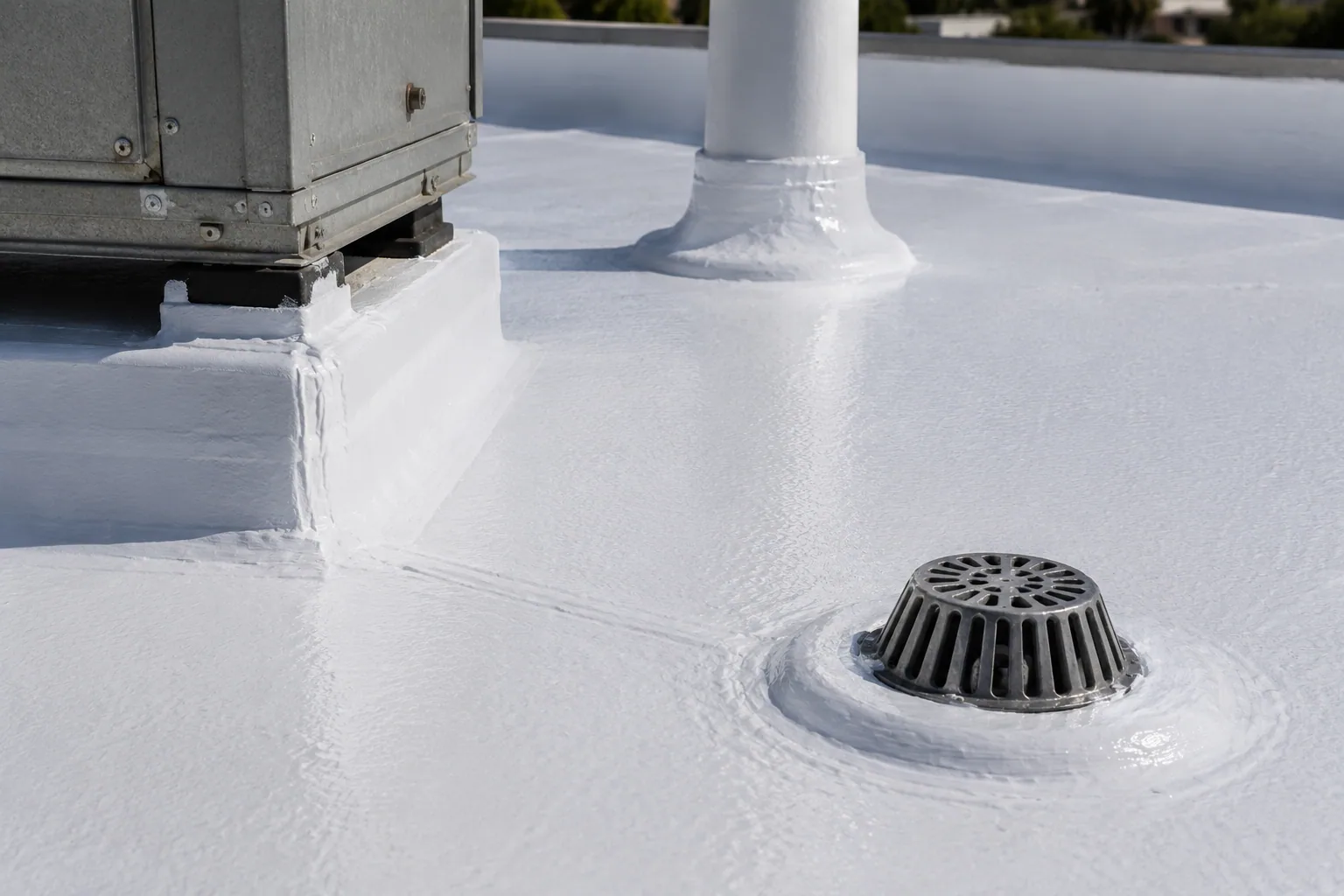
For silicone restoration, the roof must meet the selected system's substrate and preparation requirements. Coating is not a replacement for separated plies or wet insulation that needs removal. We identify necessary repairs first and assess the retained surface afterward. Where suitable preparation and connection cannot be established across the proposed area, a replacement assembly is a separate option rather than another coating application.
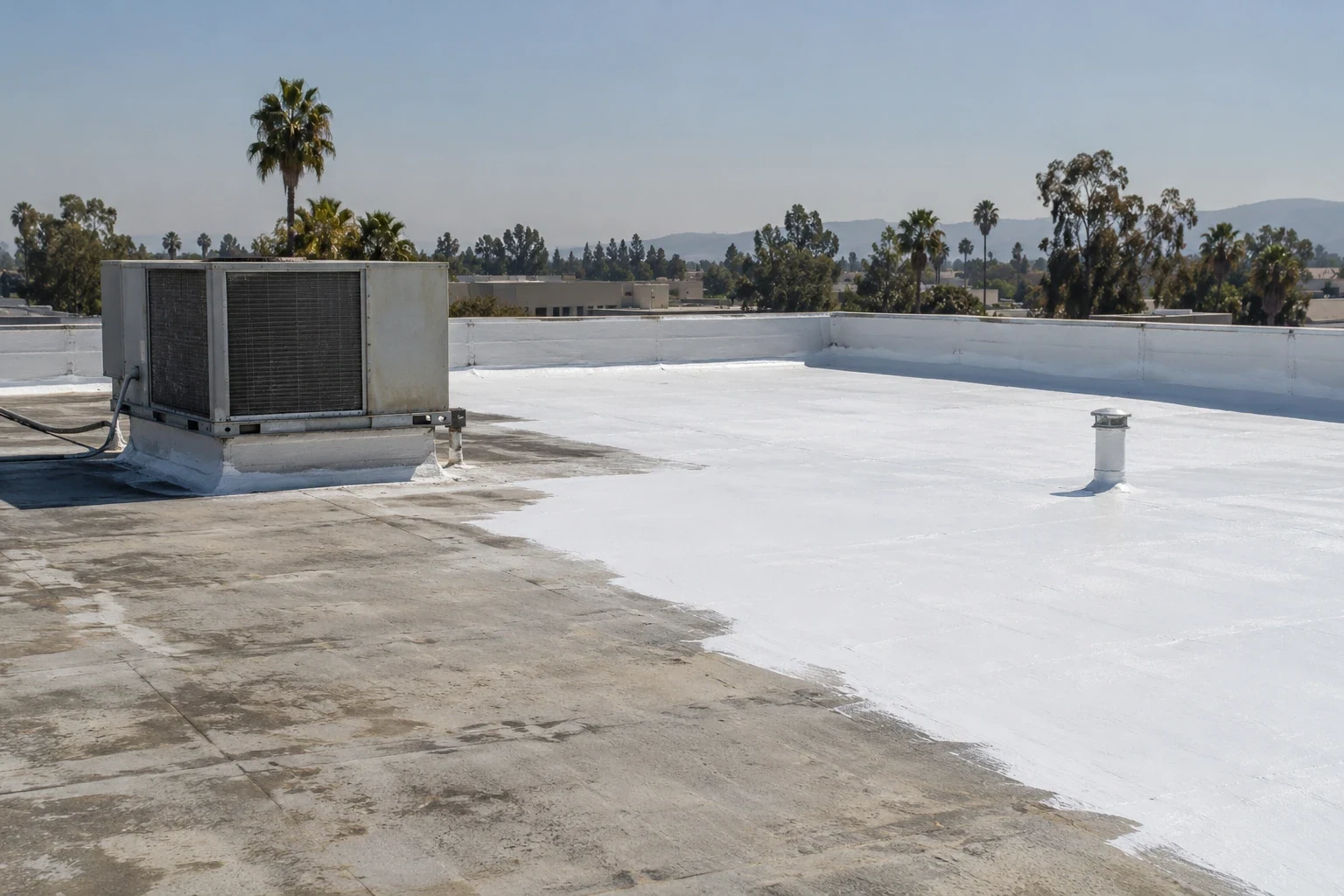
Aggregate removal, asphalt materials and new support layers can create different staging demands. We establish the handling route and assess the building areas affected below. For a commercial office roof project, occupied rooms may require protection during removal and detail reconstruction. The usable daily opening depends on those measures as well as the production needed to rebuild and close the roof section.
At a property in Ontario, manufacturing or warehouse activity may restrict when an interior area or loading route can be released. We discuss those actual constraints with the operator. Application method, odor, debris control and material handling need coordination before work begins. The scope should include the protections necessary to reach the damaged layers, rather than assume the building will accept any process because its roof requires repair.
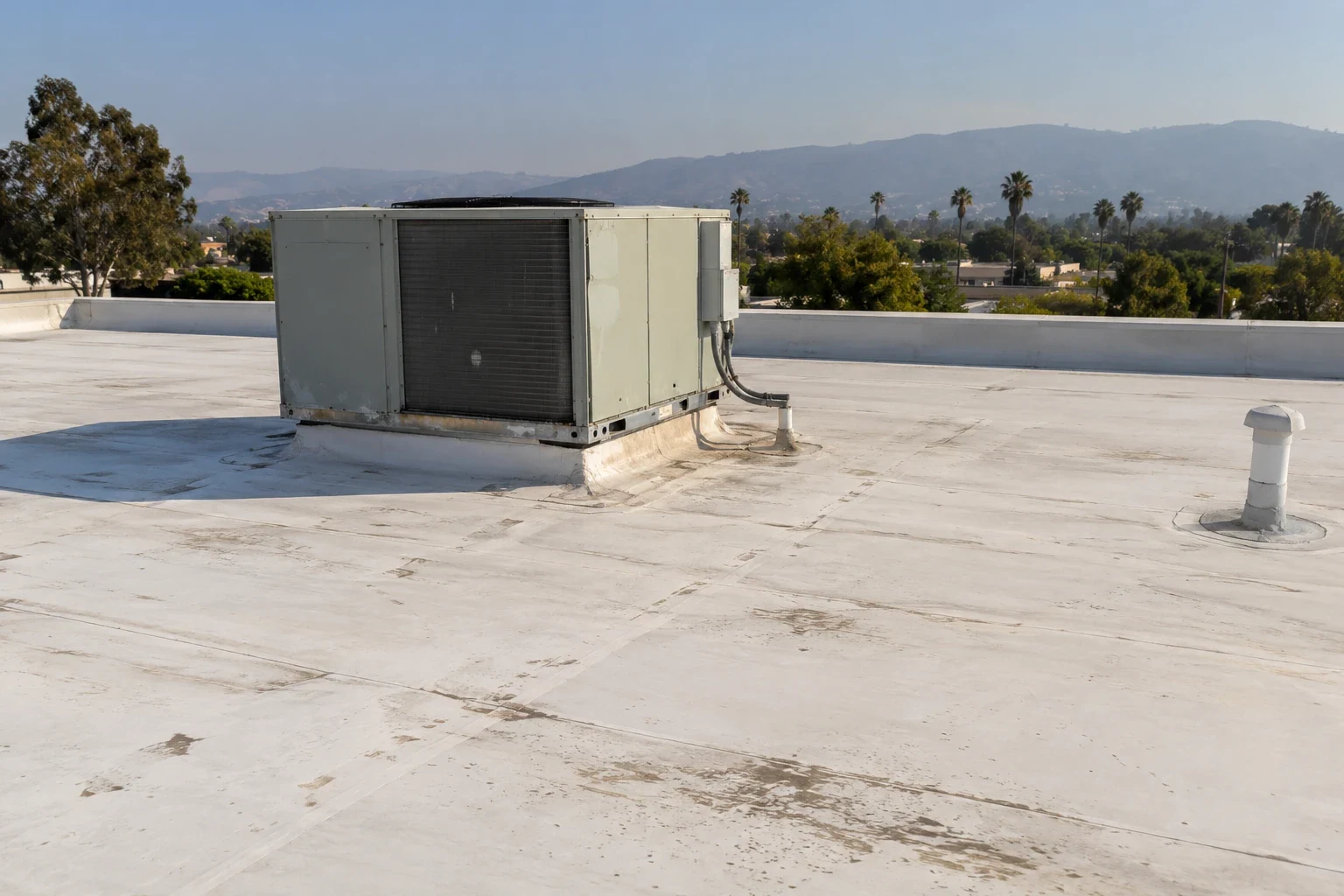
The contractor should see surfacing renewal, ply reconstruction and support replacement as identifiable tasks. Each follows a different physical finding and may require different preparation or handling. We compare those allowances with a wider replacement where the retained roof cannot receive suitable connections. After work, inspection of exposed edges, drainage and repaired areas helps identify new localized deterioration before it requires another multilayer removal.
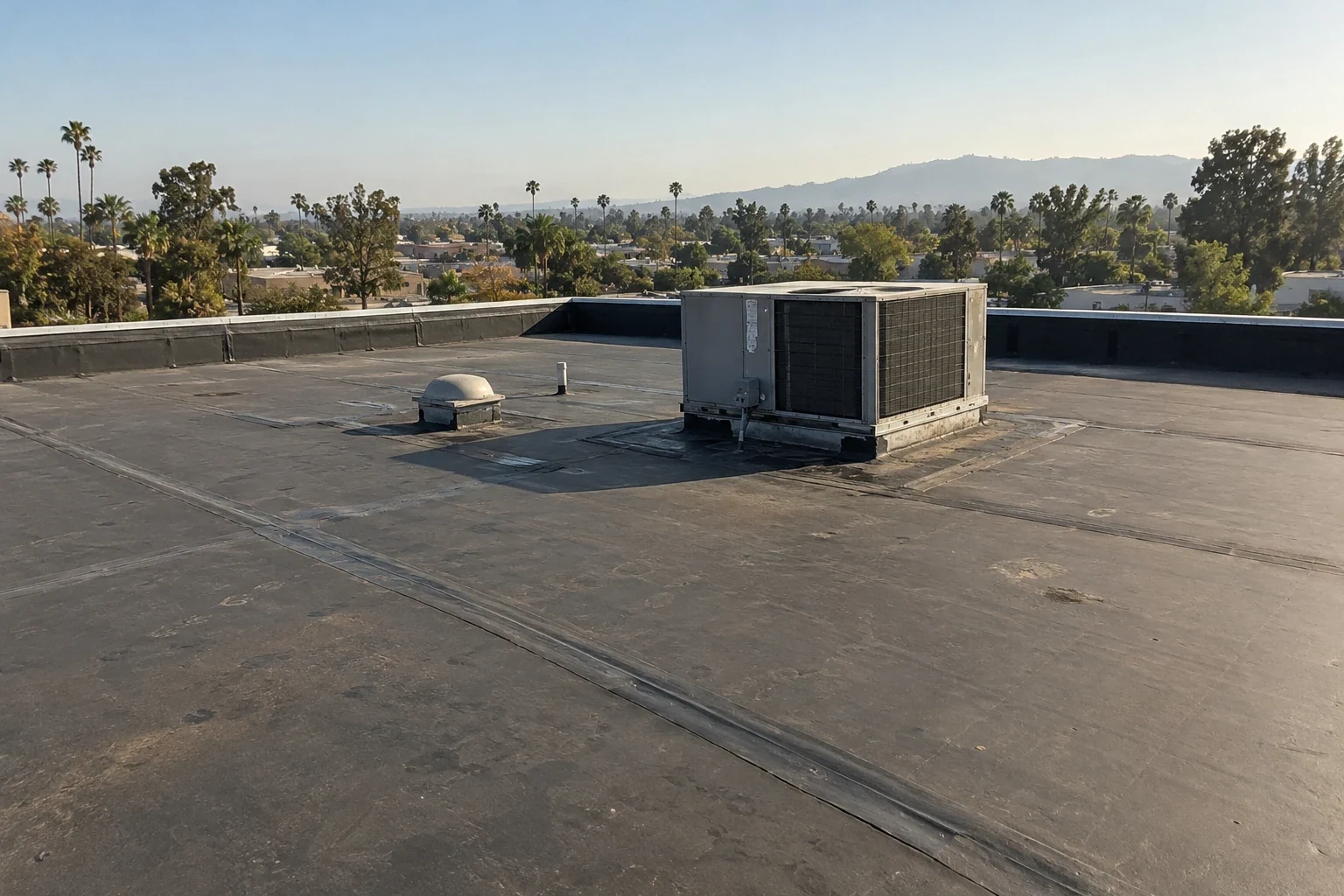
Usable underlying plies may permit surfacing restoration after the required preparation and localized repairs. We assess exposed asphalt and adhesion before proposing that work. Cracks, separation or wet support need separate correction rather than another protective finish alone.
Selected areas may need controlled exposure and physical inspection alongside moisture investigation. We identify the handling and closure needed for those checks. The findings establish the damaged layers and the receiving construction available for a complete repair.
Loose underlying construction needs assessment and removal where it cannot receive the new assembly. We define that boundary before selecting the finish. Covering separation without rebuilding the affected layers leaves an unstable part of the roof beneath the added material.
Surfacing, damaged-ply replacement and wet support removal should be identifiable. Preparation, outlet adjustments and opening protection also affect the complete allowance. We connect each item to the finding that makes it necessary so alternative scopes can be compared on the same basis.