Plan Perris commercial roof-hatch repairs with a sound curb, safe access, interior protection, and a defined membrane tie-in for an occupied site.
A roof-hatch curb with a separated membrane turn-up can leak each time water reaches the opening. The hatch cover may still operate, but the flashing below it needs a secure connection to the roof field. We inspect commercial buildings in Perris, CA, check the curb, membrane, and nearby drainage, then set a repair boundary that includes safe access and any concealed material requiring confirmation.
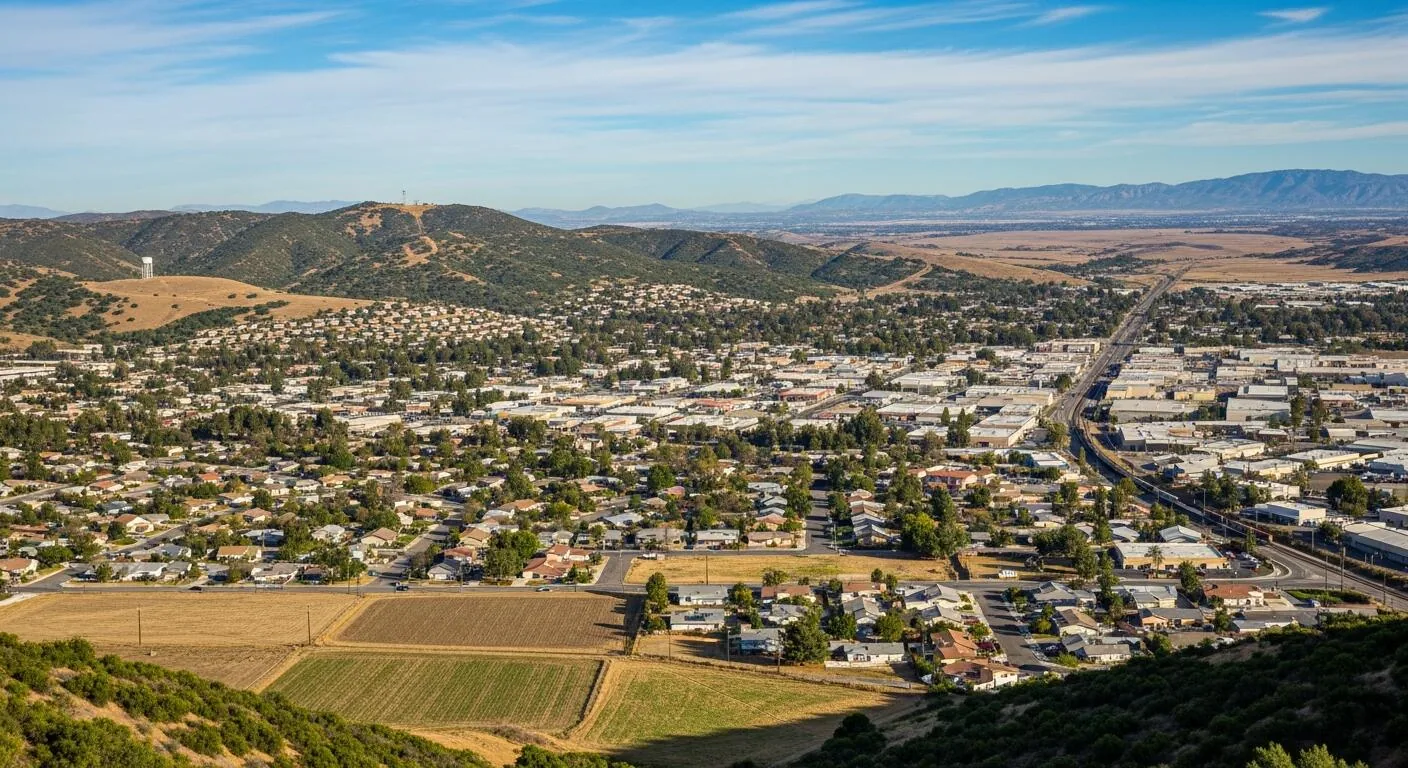
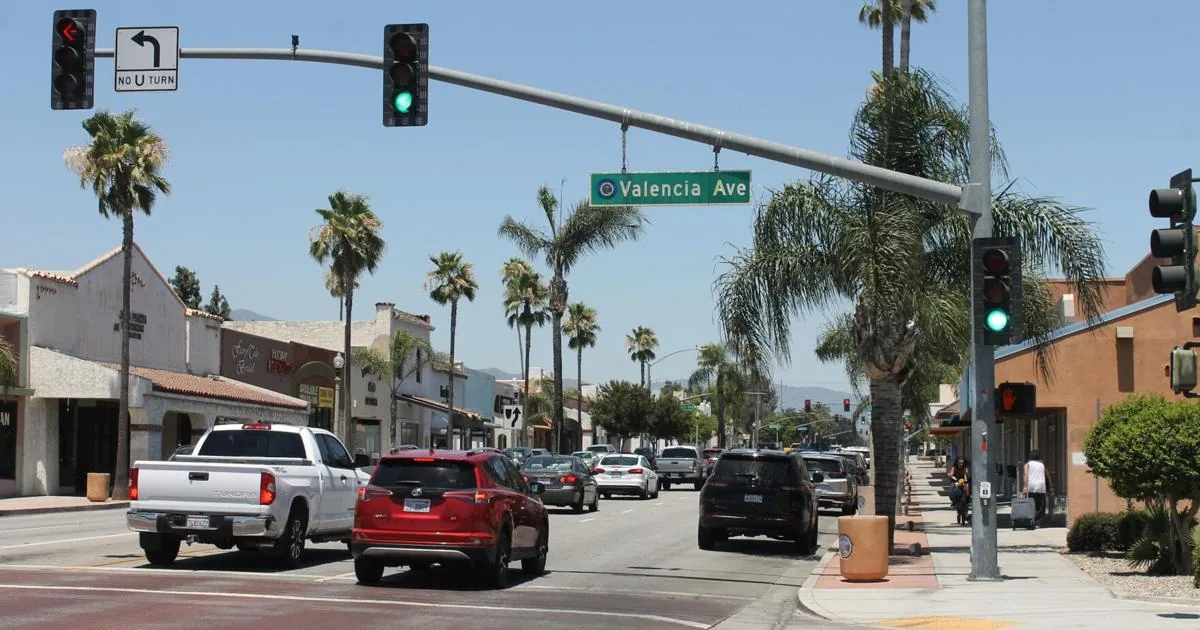
Interstate 215 and State Route 74 serve Perris. The city has distribution activity associated with Lowe’s and Home Depot, and Val Verde Unified, Perris Union High, and Perris Elementary school districts serve local communities. Freight deliveries and occupied school spaces can have different work windows. We confirm the actual site route and room protection requirements with the building contact.
We inspect the hatch frame, curb corners, cover closure, membrane turn-up, fasteners, and seal at the roof. A split at one corner may point to movement, weak attachment, or a water path running under the flashing. We also check the surrounding roof for ponding or nearby seams that direct runoff toward the opening. The repair limit depends on whether the curb remains firm and the field membrane can accept a new tie-in.
A commercial roof inspection can document the hatch, access path, and adjacent roof details. If the building uses EPDM, a roof-system review identifies compatible flashing and seam preparation. A roof insulation assessment can help determine whether wet material beneath the hatch needs removal. We select the repair material after identifying the installed assembly rather than applying a universal sealant.
The hatch also needs to operate and close after roof work. We check the lid, hinges, curb height, and clearance before installing new flashing. If the opening is used for regular service access, the owner can identify who needs to use it and whether another route is available during construction. The proposal should include safe closure and any protection needed to keep tools or debris from entering the building.
Water at a hatch can reach the interior through the curb or migrate along the roof deck before appearing in a ceiling. We compare the report location with the roof slope and framing, then define any test opening needed to inspect the substrate. If the insulation is dry and the curb is stable, a local flashing repair may be sufficient. Wet cover board or damaged deck changes the scope and should be recorded before new material covers it.
A contained repair can restore the hatch when the frame and curb are sound. We remove loose membrane and failed flashing, prepare the curb face, and reconnect the field with a compatible detail at each corner. The work should leave the lid clear to open and close and avoid a raised edge that catches debris. Where the curb is damaged or the membrane has pulled back along several sides, the removal limit may need to include a broader roof section.
Partial replacement can address wet insulation or repeated failures around the access opening. The scope identifies the hatch perimeter, material depth, new membrane, corner flashing, and connection to retained roof. A recover may change curb height and cover clearance, so we check the existing assembly and hatch geometry before presenting an overlay. If the curb cannot remain high enough above the new surface, the detail may require extension or rebuilding.
Perris distribution operations can make delivery timing and roof access relevant at some facilities. A distribution-site roof sequence can coordinate loading areas when that use applies. If work involves an education building, a school roof schedule can account for occupied hours and student circulation. We ask the site's contact for actual operating limits and do not assume a facility use from the city alone.
Roof hatch access needs a safe temporary route while the permanent curb detail is being rebuilt. We can sequence one opening while another approved entrance remains available, if the building has an alternative route. The owner and safety lead confirm that plan before the hatch is unavailable. At closeout, the lid is checked, the repaired membrane is documented, and the access area is returned for service.
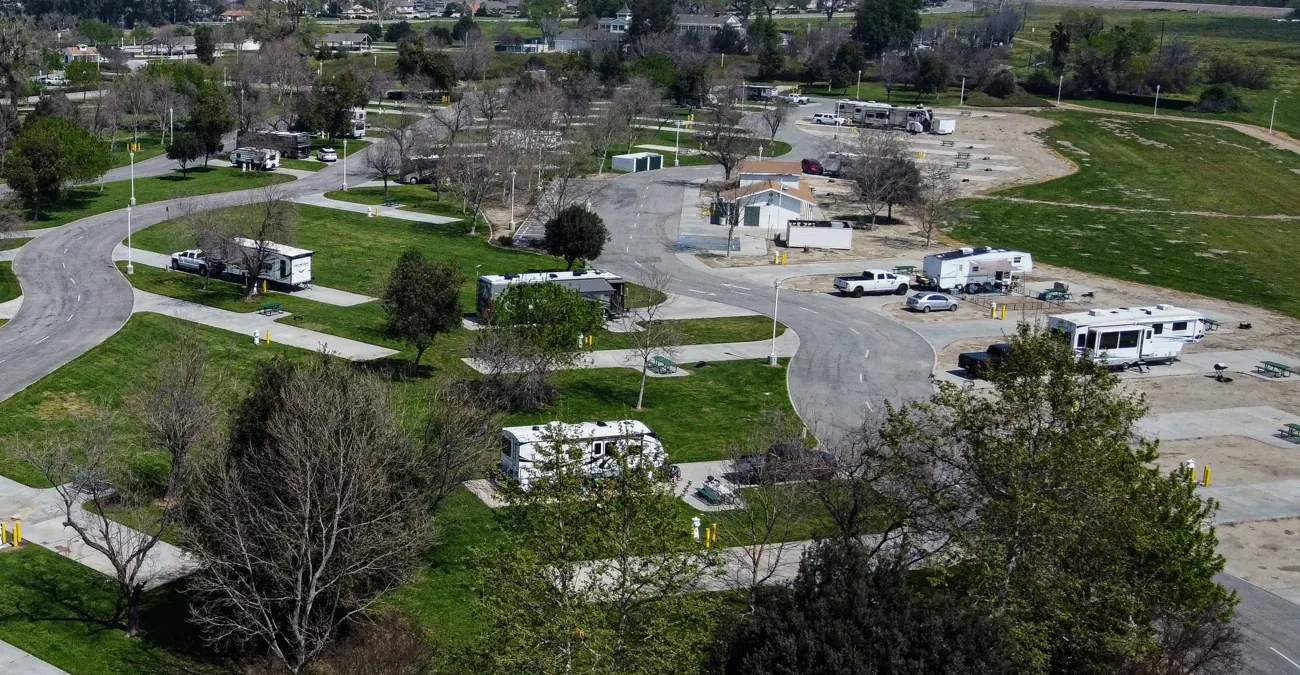
Before work, we confirm who authorizes roof access, which hatch or ladder the crew will use, and where tools or membrane can be staged. Delivery vehicles may need a separate route from school or customer traffic. The site contact identifies restricted hours, escort needs, and any area that must remain clear. Those logistics should be set before the hatch flashing is removed.
Interior protection depends on what sits directly under the access point. We locate occupied rooms or equipment and arrange coverings or temporary relocation. The crew maintains a secure barrier around the opening and closes the roof against weather at the end of each shift. If hidden material changes the work area, the contractor documents the finding and obtains approval before extending the removal limit.
A roof assessment should identify exposed material and any people or equipment below that need protection. For active water entry, we establish safe access and apply temporary protection where appropriate, then record the hatch condition and permanent flashing work still required. A temporary cover should not block safe egress or make the hatch unusable without an agreed alternative. The field record states any remaining access or repair requirement.
A roof condition report can track the hatch, roof system, interior impact, and next action. The record helps a facilities team decide whether to repair one curb or group it with a planned roof section. For a property portfolio, maintenance can check the closure and flashing during future visits, provided the hatch remains accessible for safe inspection.
Cost depends on curb perimeter, flashing condition, roof type, corner details, wet insulation, deck repair, hatch operation, and access. If the crew must protect a room or establish an alternate access route, those tasks affect the work window. We list them separately so a local flashing repair can be compared with partial replacement around the hatch.
The proposal should state removal limits, new flashing, membrane tie-in, fasteners, interior protection, and testing needed to confirm concealed layers. If the curb or deck is uncertain, include a diagnostic opening and a unit price for additional material after owner approval. A replacement section should also explain how the hatch remains usable or secured during construction and how the roof is weathered-in daily.
A commercial emergency response can limit active exposure while the owner arranges a permanent repair. A Moreno Valley roof assessment or Grand Terrace project can be scheduled alongside Perris work, but each opening and roof assembly requires its own measurements. Shared crew timing does not merge material quantities or access plans.
To arrange a Perris inspection, share the hatch location, leak history, roof system if known, access schedule, and interior area below. We can inspect the curb and identify what can remain. The written scope can compare a corner correction with a replacement section and state what test or trade coordination is needed before work starts.

Often, when the cover, frame, and curb remain sound. We inspect operation and flashing separately to determine whether the repair is limited to the membrane connection.
Added roof thickness can change curb height and lid operation. We measure the existing assembly and include any needed curb extension in a recovery comparison.
We agree on safe access, temporary closure, and any alternate route before opening the flashing. The roof is secured at the daily stopping point.
We document the exposed material and ask the owner to approve an expanded removal boundary. A unit allowance can price added insulation or deck work.