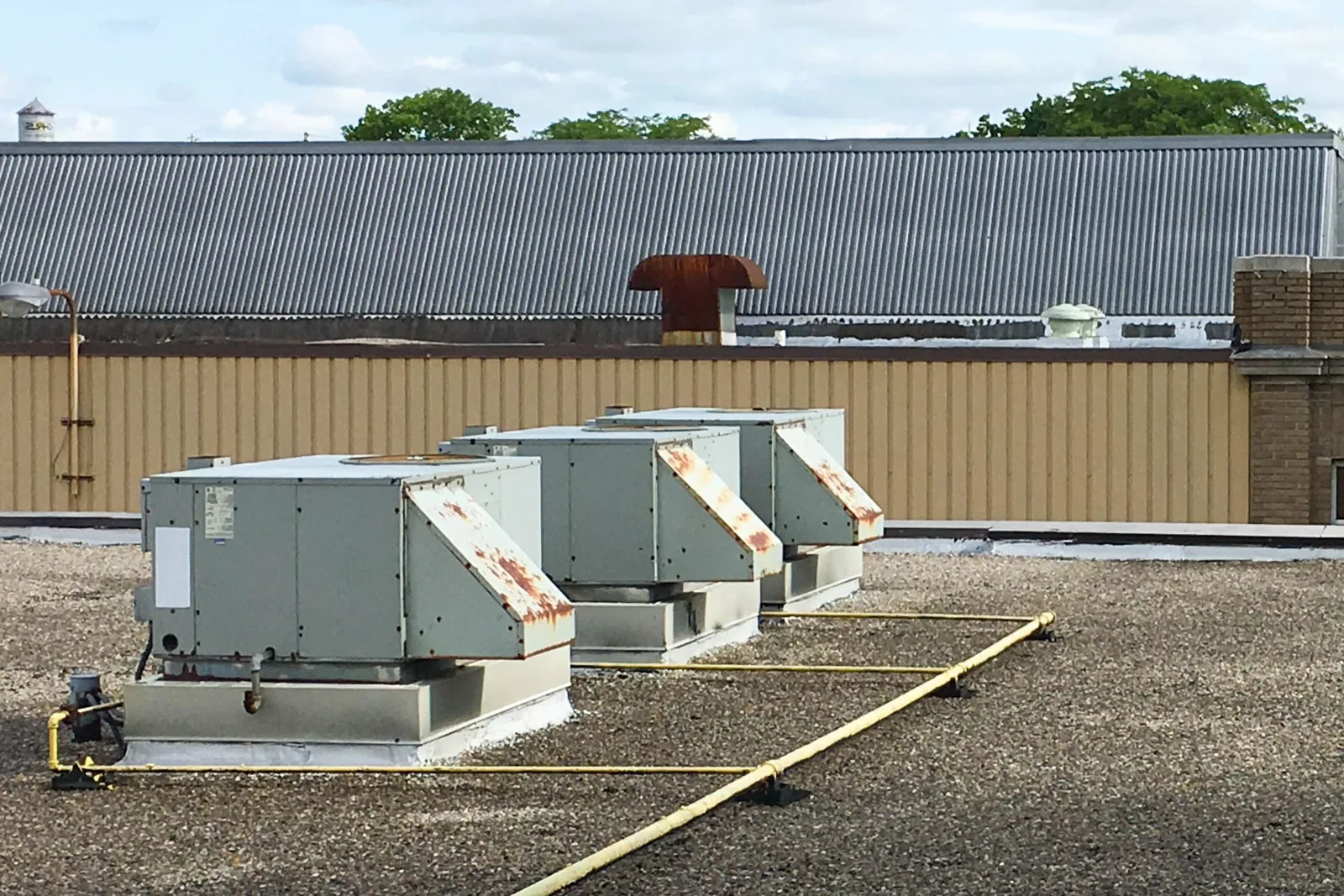
Repair drains and scuppers in Jurupa Valley by correcting inlet connections, damaged liners and low roof areas that keep water against commercial roof details.
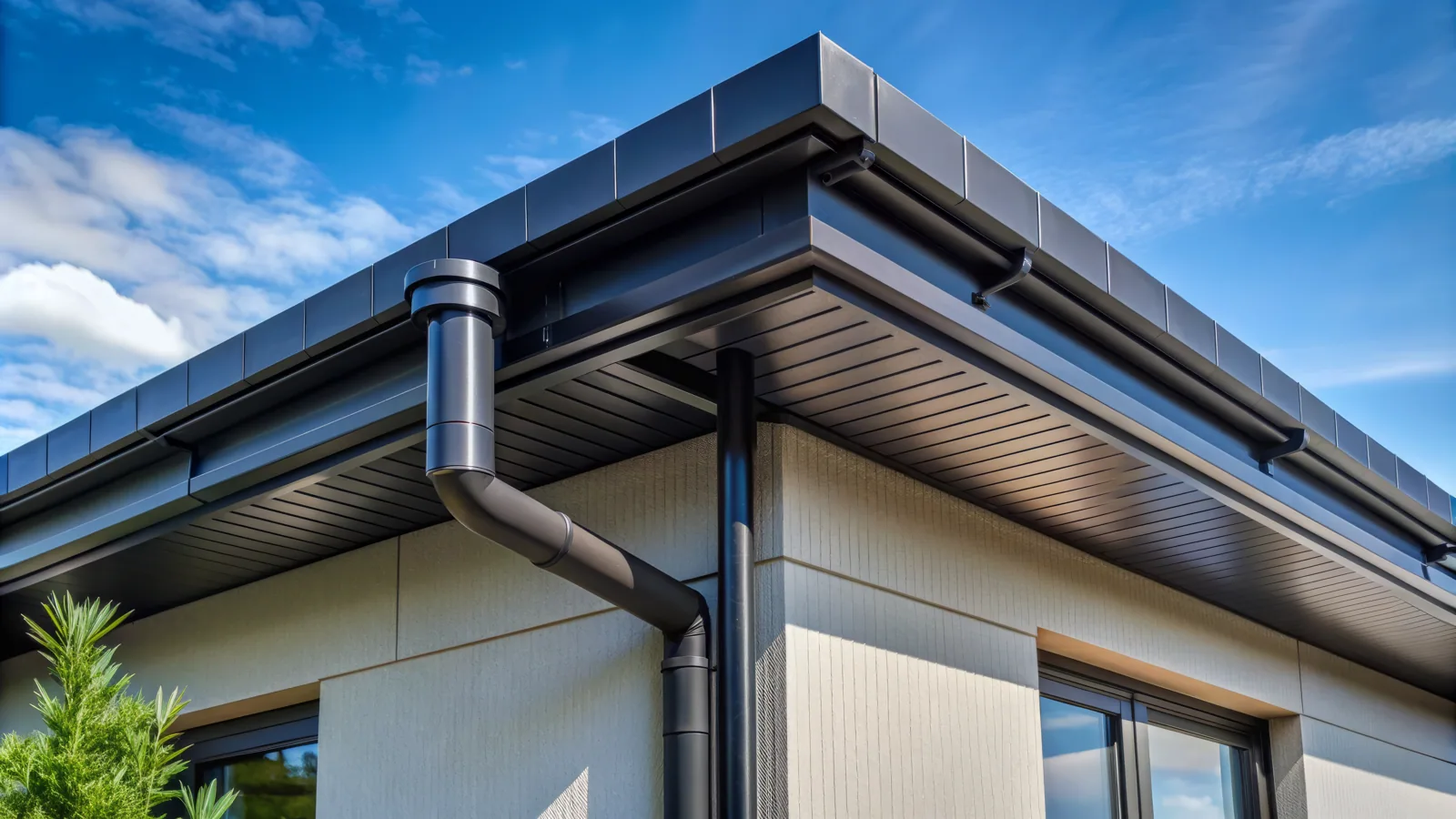
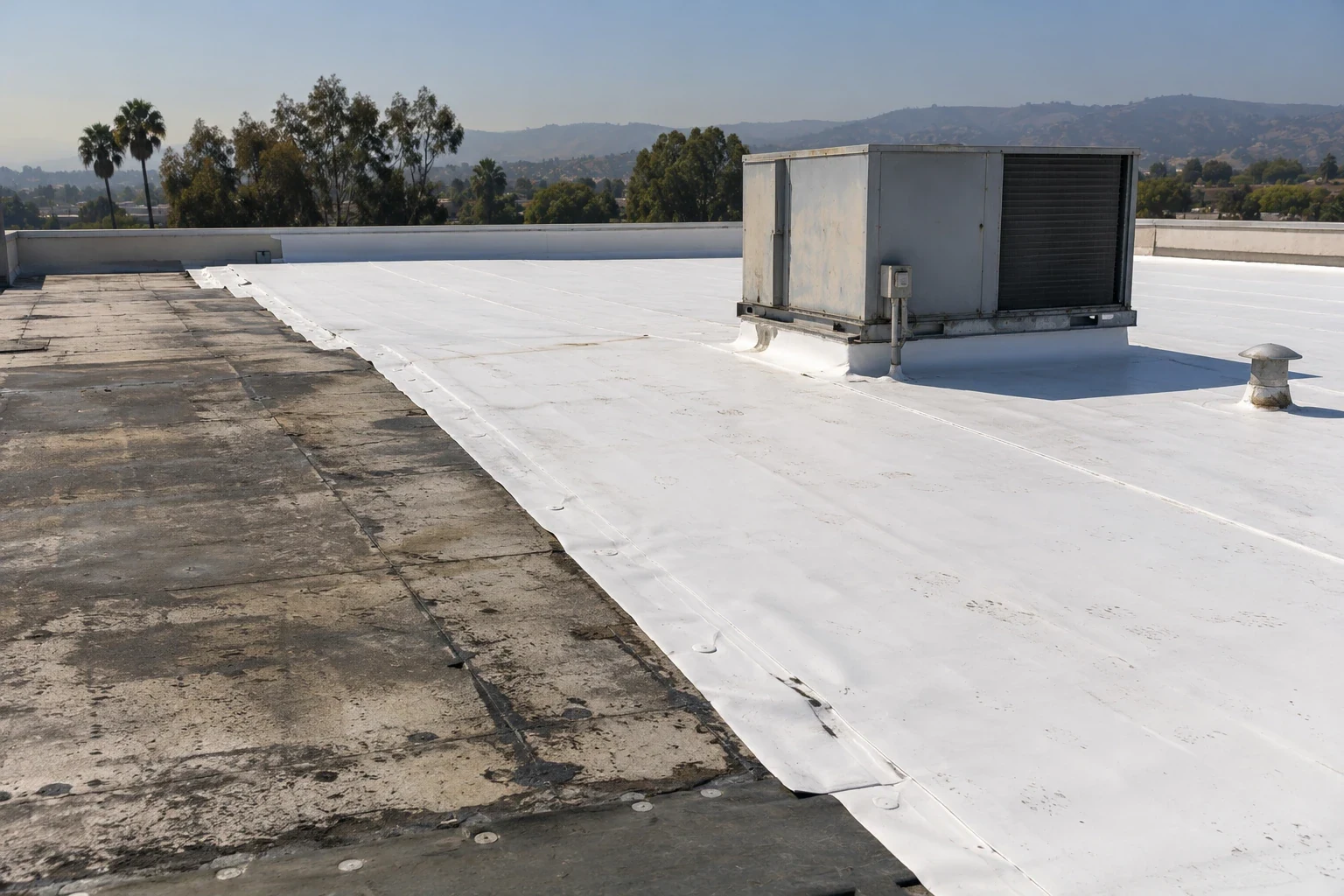
A leaking scupper corner can carry runoff into the wall instead of through the outlet. Its liner, roof flashing and exterior discharge connection need examination as one water path. We repair commercial roof drains and scuppers in Jurupa Valley, CA by establishing where that path has failed. A stable liner may accept a compatible connection repair; corroded metal or deteriorated backing can require replacement. The allowance includes the supporting work and the temporary protection needed while the wall-side opening is exposed.
Jurupa Valley's industrial access includes Interstate 15 and State Route 60, serving a market with Mira Loma distribution activity and local retail businesses. A drainage repair over stocked space requires control of the roof opening and the interior exposure below it. We examine the actual outlet, supporting layers and discharge path before choosing a repair. The owner receives a water-control decision tied to the assembly, rather than a recommendation to clear the same inlet every time ponding returns.
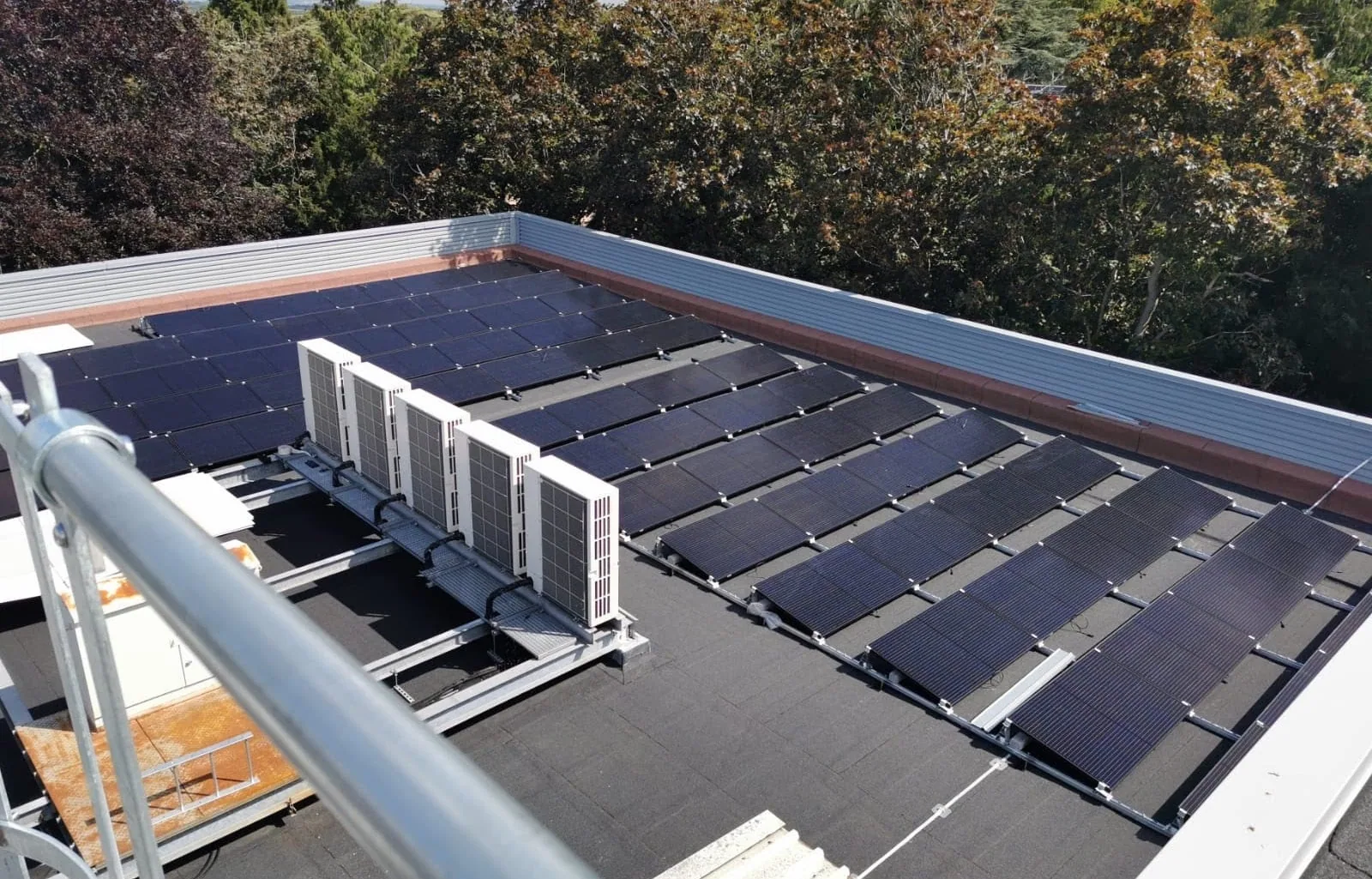
We examine the strainer, drain bowl, membrane connection and accessible adjoining surface. Debris can obstruct the inlet, while a damaged clamping component can admit water at the connection. Plumbing beneath the roof can also be restricted or separated. We identify which condition belongs to the roofing scope and where the plumbing trade needs to assess the line. Replacing the membrane at a bowl will not restore flow through a blocked pipe farther down the system.
At a scupper, we inspect the liner, seams, opening and connection to exterior drainage. A raised lip or damaged liner can hold water inside the roof area or direct it into the wall construction. The repair needs to maintain the outlet's intended opening and restore its weather connection. We assess the surrounding membrane and substrate before removal. A new liner installed against deteriorated backing leaves a weak support beneath the renewed metal.
Water marks help locate recurring accumulation, but their cause needs examination of the roof geometry. We check the route from the contributing area to the outlet and identify depressions, obstructions or abrupt transitions. A roof inspection focused on drainage can separate a localized inlet issue from a broader slope problem. We then define the physical correction needed, including additional evaluation where the supporting deck appears to have moved or deteriorated.
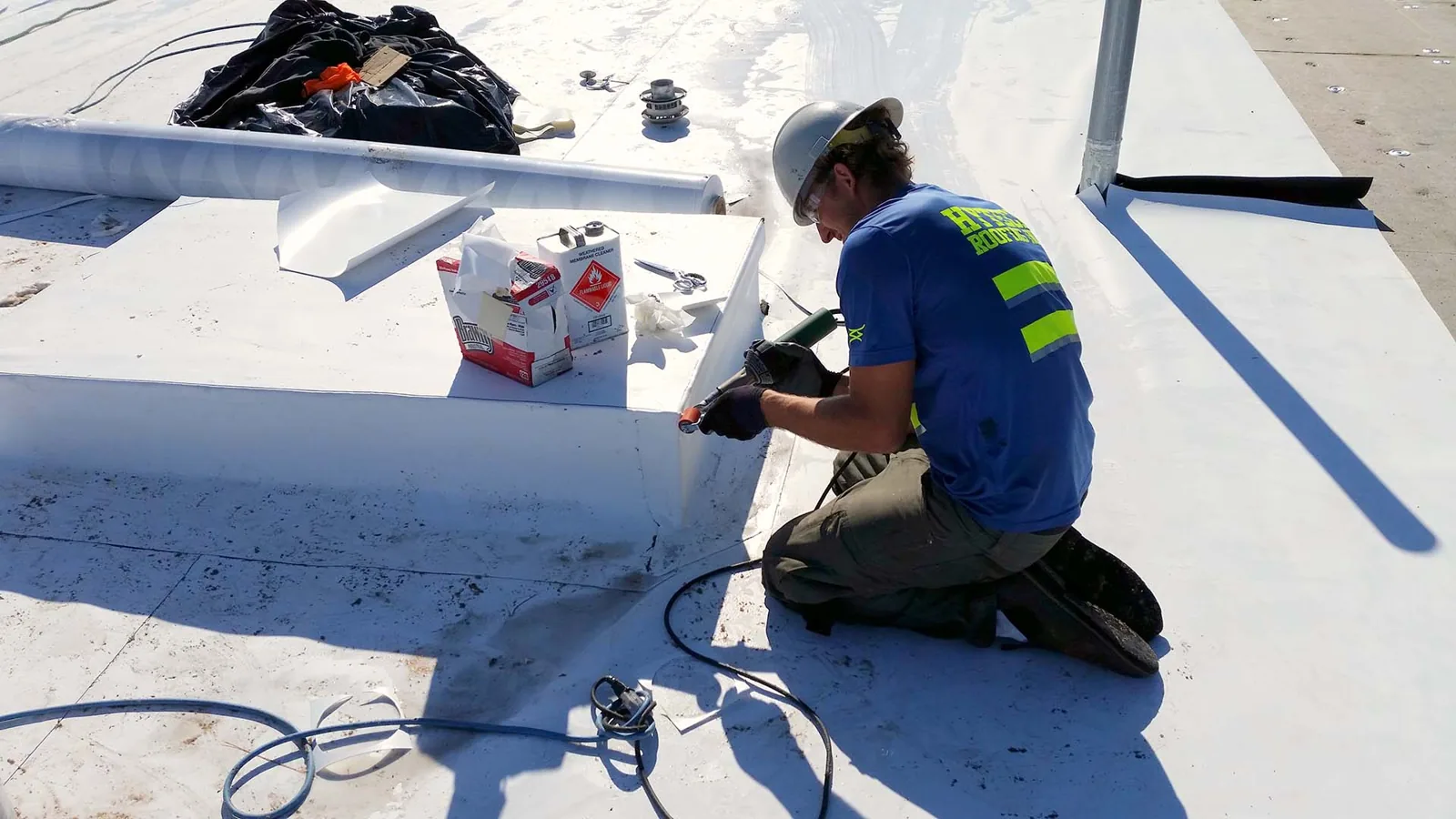
Primary outlets carry ordinary runoff from the designed drainage area. Secondary drainage provides another path if the primary system is obstructed or overwhelmed under the conditions addressed by the design. We inspect accessible primary and overflow openings separately. A recover or insulation change must not reduce a required opening or alter its operating elevation without appropriate design review. Keeping both water paths functional belongs in the repair scope where their details are affected.
We check whether an overflow discharges independently and whether its visible outlet can alert the operator to a primary-system problem. The actual arrangement must be assessed rather than assumed from the number of openings in a parapet. Design or plumbing input may be needed where sizing, capacity or separation is uncertain. Roofing repair can restore the weather connection, but changes to the drainage design require the responsible technical assessment.
Drainage alterations submitted for permits on or after January 1, 2026 fall under California's 2025 Building Standards Code. Jurupa Valley Building and Safety reviews construction work and inspections. A project that changes outlet configuration or supporting construction needs the applicable review considered before removal begins. We identify the roofing work and connected design or plumbing decisions, so the general contractor knows which details must be settled before the membrane is opened around an operating drain.
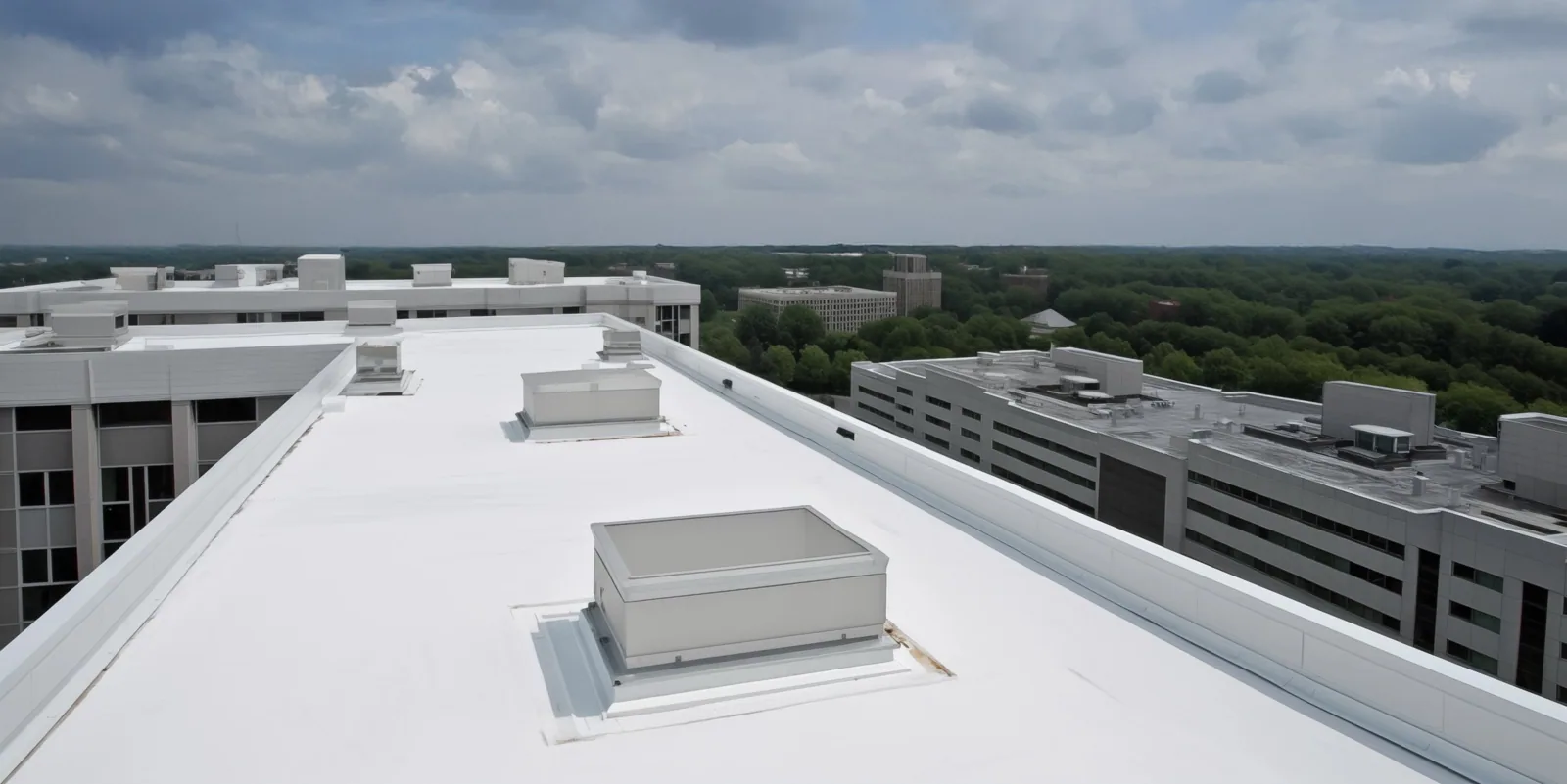
A loose drain ring can require removal of the affected flashing and examination of the bowl and fastening. We prepare a suitable receiving surface and install the compatible membrane connection with the correct clamping components. Damaged parts need replacement appropriate to the installed outlet. We also examine the supporting insulation and board. If water has weakened those layers, the repair includes their removal to a stable boundary before the new detail is formed.
Tapered insulation and cover-board work can restore a drainage path where the roof's supporting layers create the low area. We assess the finished elevations and design the transition to the retained roof. Raising material beside an inlet without maintaining its approach can isolate the bowl. The new section must deliver water to the outlet while providing a firm surface for the sheet and the adjoining flashing.
At a metal scupper, the liner and roof membrane need a compatible connection that sheds water through the opening. We examine corners, fasteners and wall-side joints before selecting the repair method. For PVC roof details, compatible flashing materials and suitable preparation support the membrane connection. Other systems require their own joining methods. A broad sealant application over an unstable metal joint does not restore its underlying support.
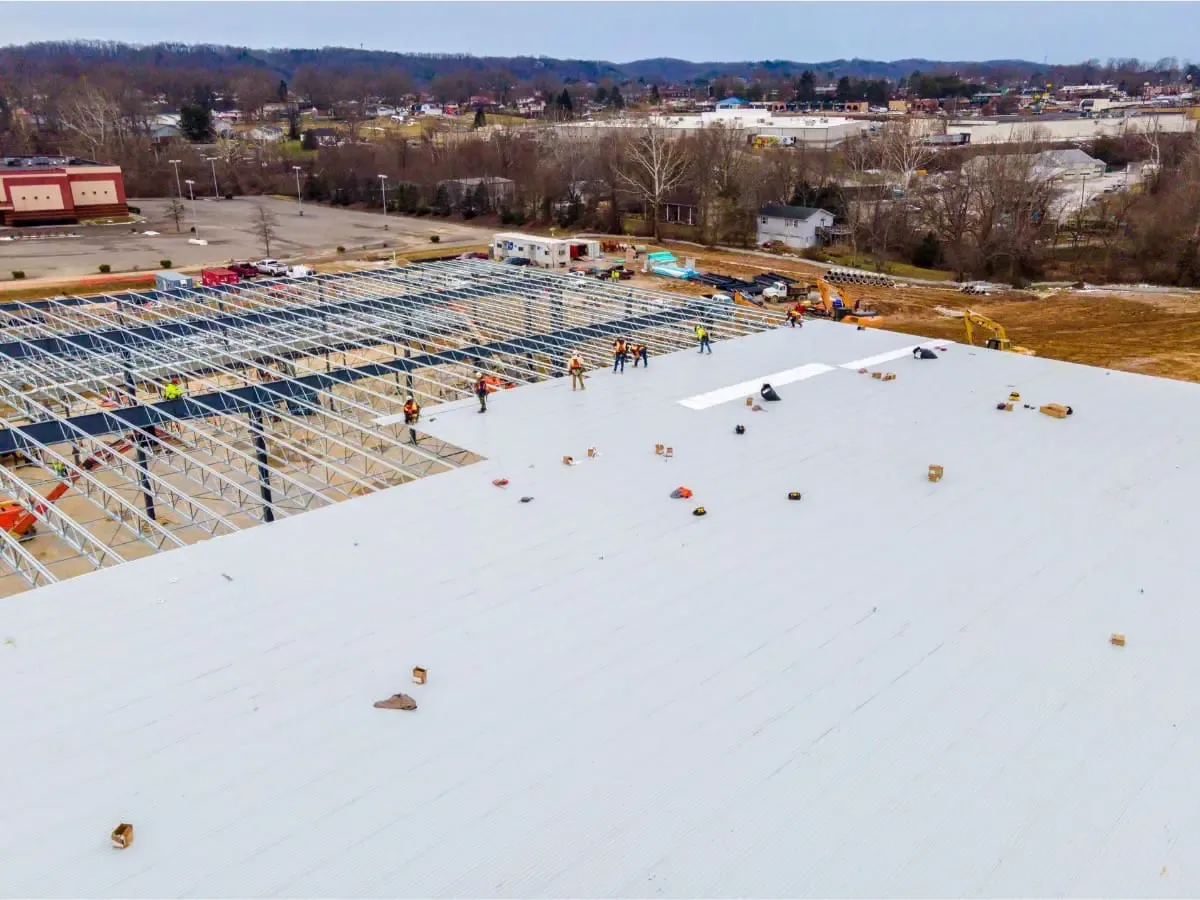
A curb or wall can interrupt the roof's natural water path. A properly designed cricket directs runoff toward a usable outlet rather than leaving it on the uphill side of the obstruction. We examine the contributing roof area, available slope and adjoining details before selecting its shape and height. The cricket must connect to the retained assembly with adequate support and compatible membrane, and it must leave workable flashing height at the curb or wall.
Where wet insulation already surrounds the obstruction, the cricket scope may need localized assembly removal as well as new tapered components. Covering saturated material leaves a damaged support layer under the correction. We assess moisture and establish the removal limit first. A drainage change can then be priced as a complete reconstruction, including membrane transitions, instead of treating the tapered board quantity as the whole allowance.
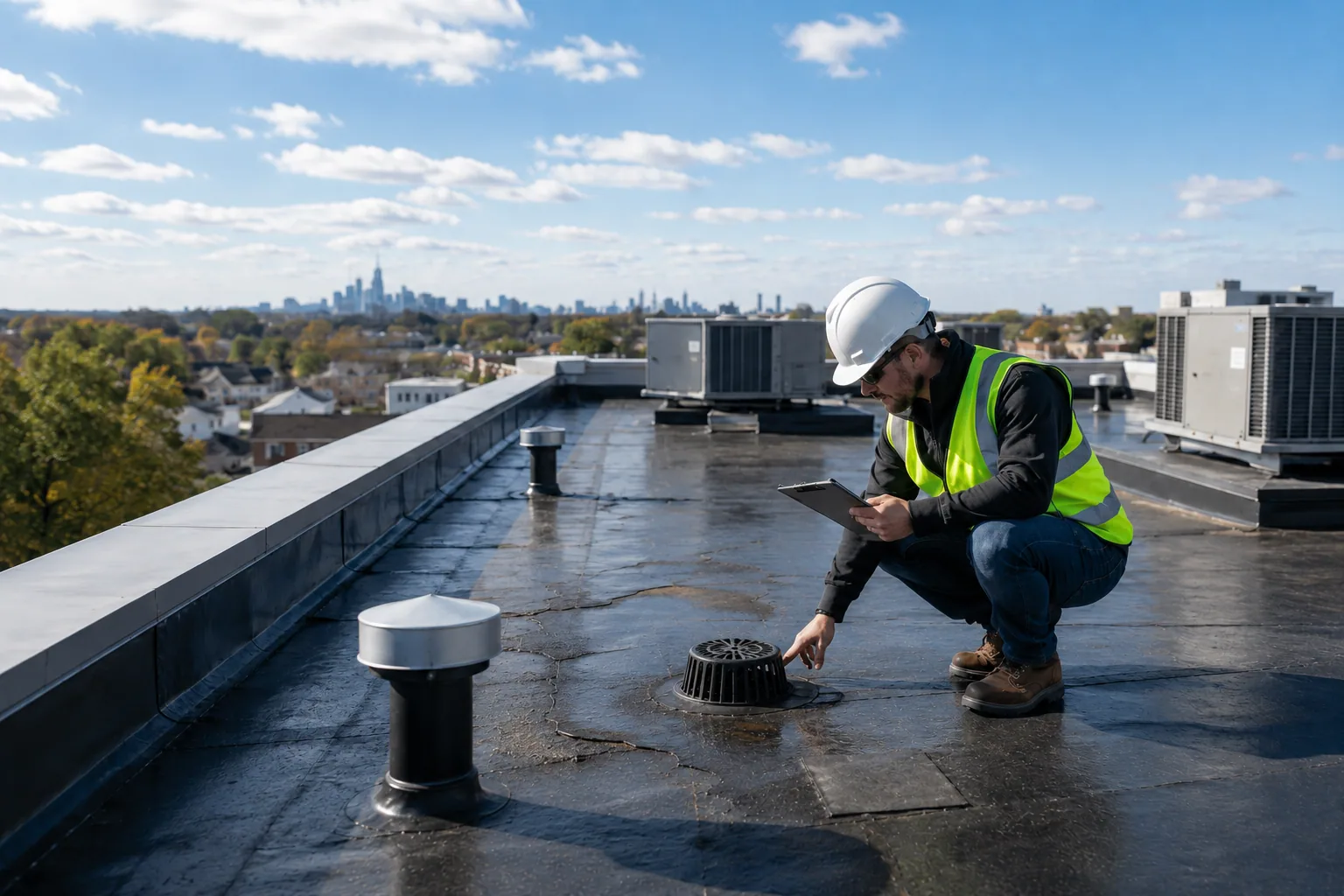
Opening a drain connection creates a direct exposure above the room below. We establish temporary protection, safe plumbing coordination and a closure sequence suited to the available work window. For shopping-center drainage repairs, customer access and shared tenant spaces can also affect material handling. The repair stage must leave a functioning water path or suitable temporary closure while connected work is completed.
Glen Avon Town Center's commercial activity follows Mission Boulevard. At a property in Glen Avon, an external outlet may discharge near an entrance or neighboring unit. We assess the actual arrangement before changing the scupper or downspout connection. Gutters and downspouts need stable supports and an appropriate discharge path alongside the roof-side repair. The completed scope identifies what was restored and which plumbing or design work remains outstanding.
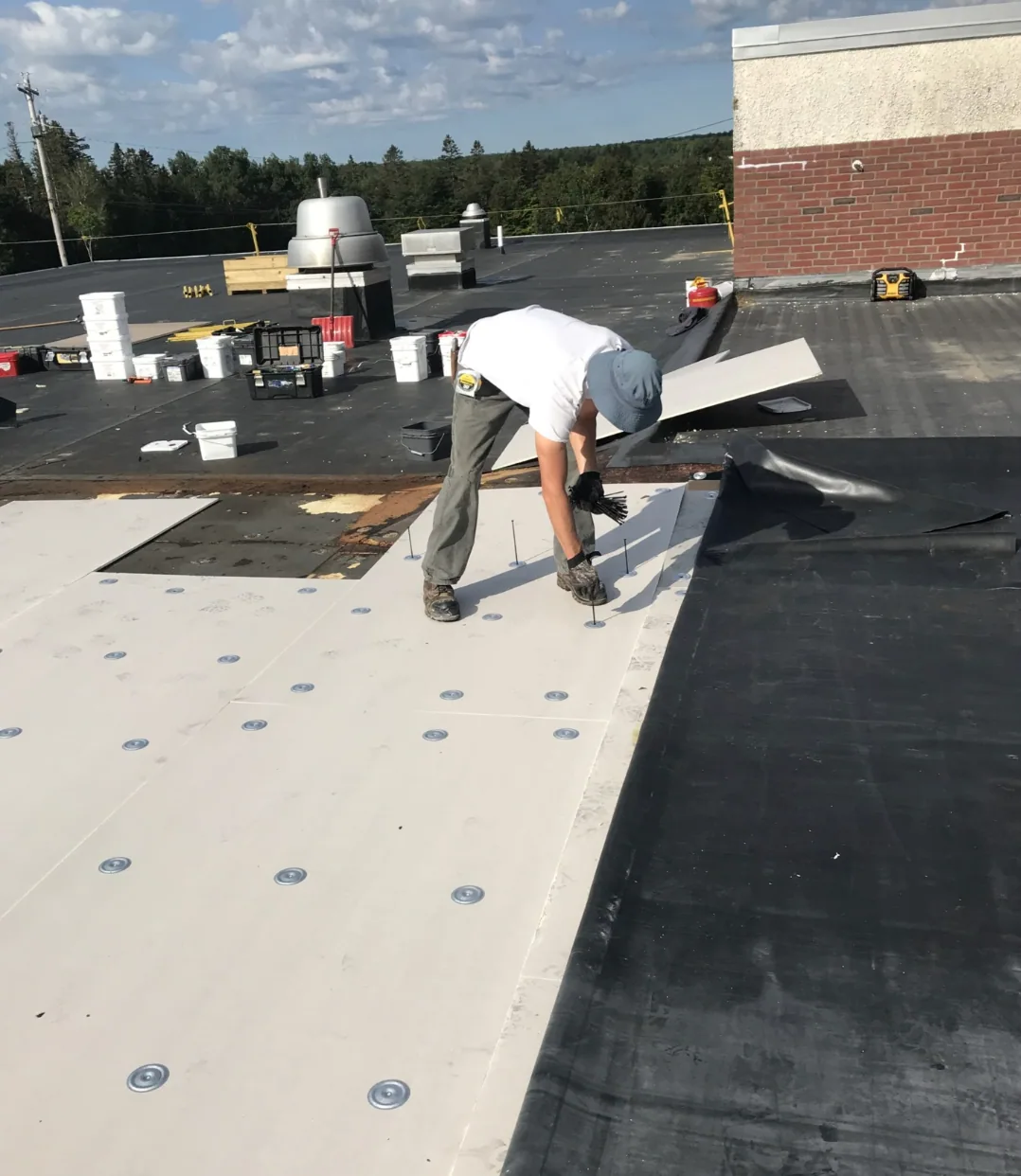
We check the inlet elevation and the adjoining support surface. Compressed insulation, a raised bowl or inadequate slope may prevent runoff from reaching the opening. The corrective work can involve a replacement roof section or an outlet adjustment, rather than another clearing visit.
Changing an outlet's size or configuration requires the applicable drainage and building assessment. We identify the liner and flashing work alongside any design or plumbing decisions. The roof connection must remain compatible with the approved arrangement and the supporting wall construction.
The extent follows the water path, moisture findings and available support. A localized cricket can be practical where it connects properly to usable roof construction. Wet layers or wider slope problems may require a larger replacement section to form a complete correction.
That connection needs the plumbing trade's assessment and repair. We identify the accessible roof-side condition and coordinate opening protection where the membrane detail must be disturbed. The scope should separate the pipe work from the roofing reconstruction while keeping their sequence workable.