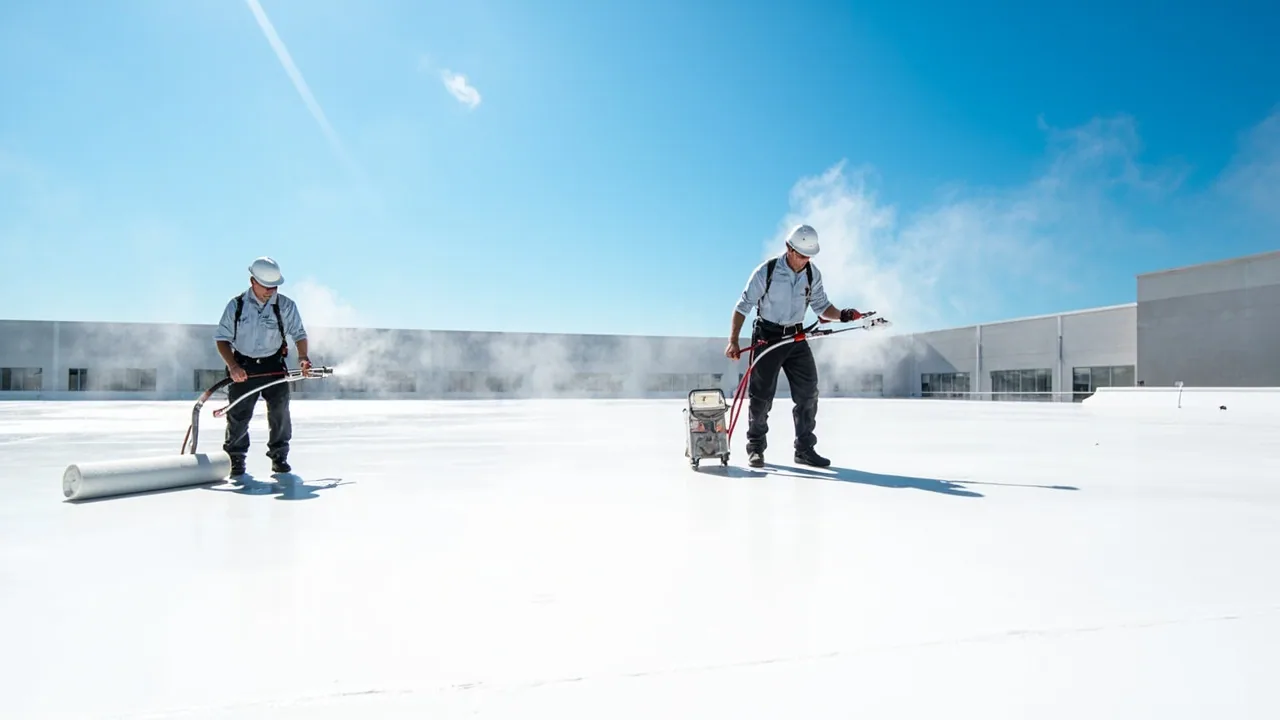
Document roof damage in Jurupa Valley with condition photos, repair quantities and clear distinctions between stabilization and permanent reconstruction.
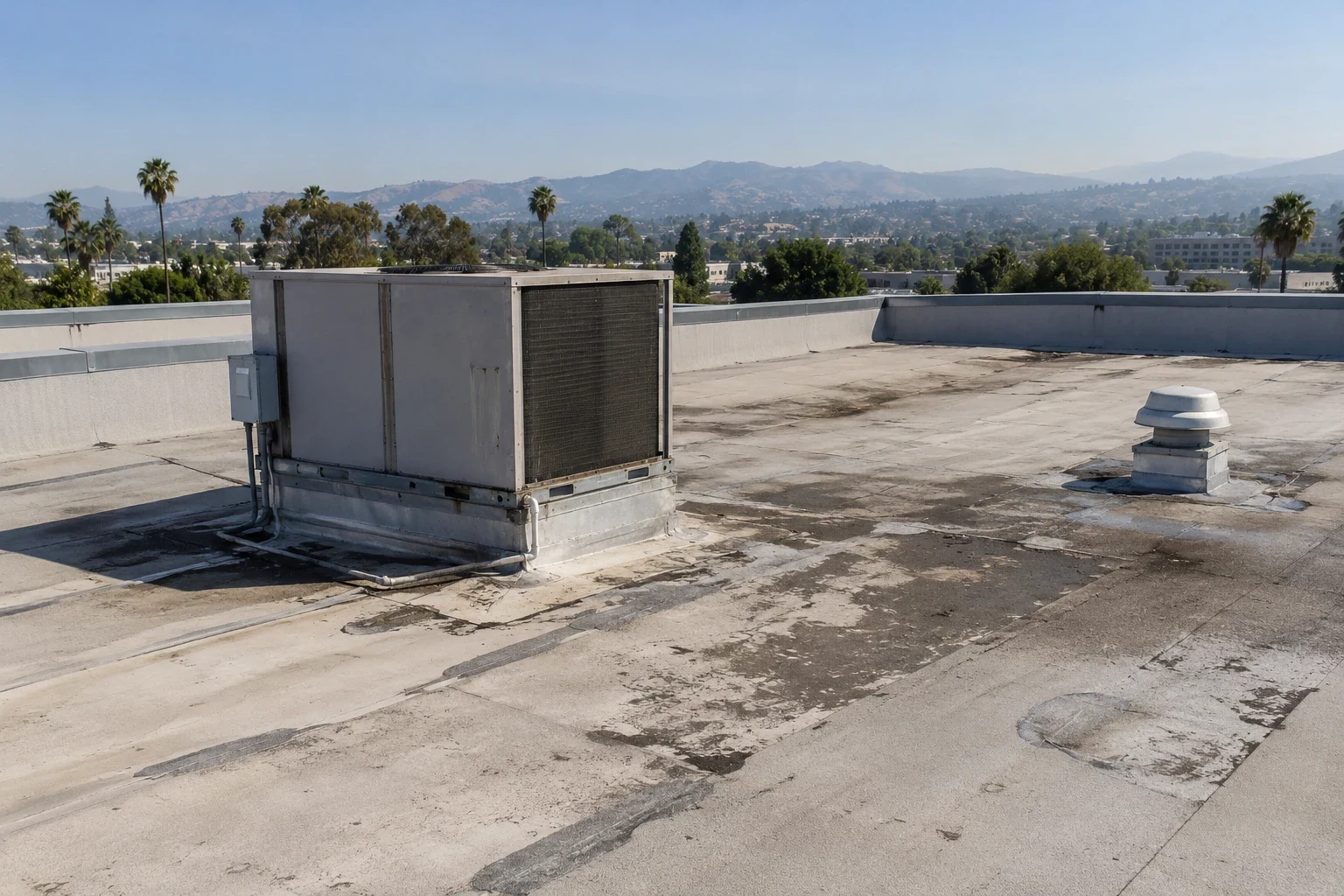
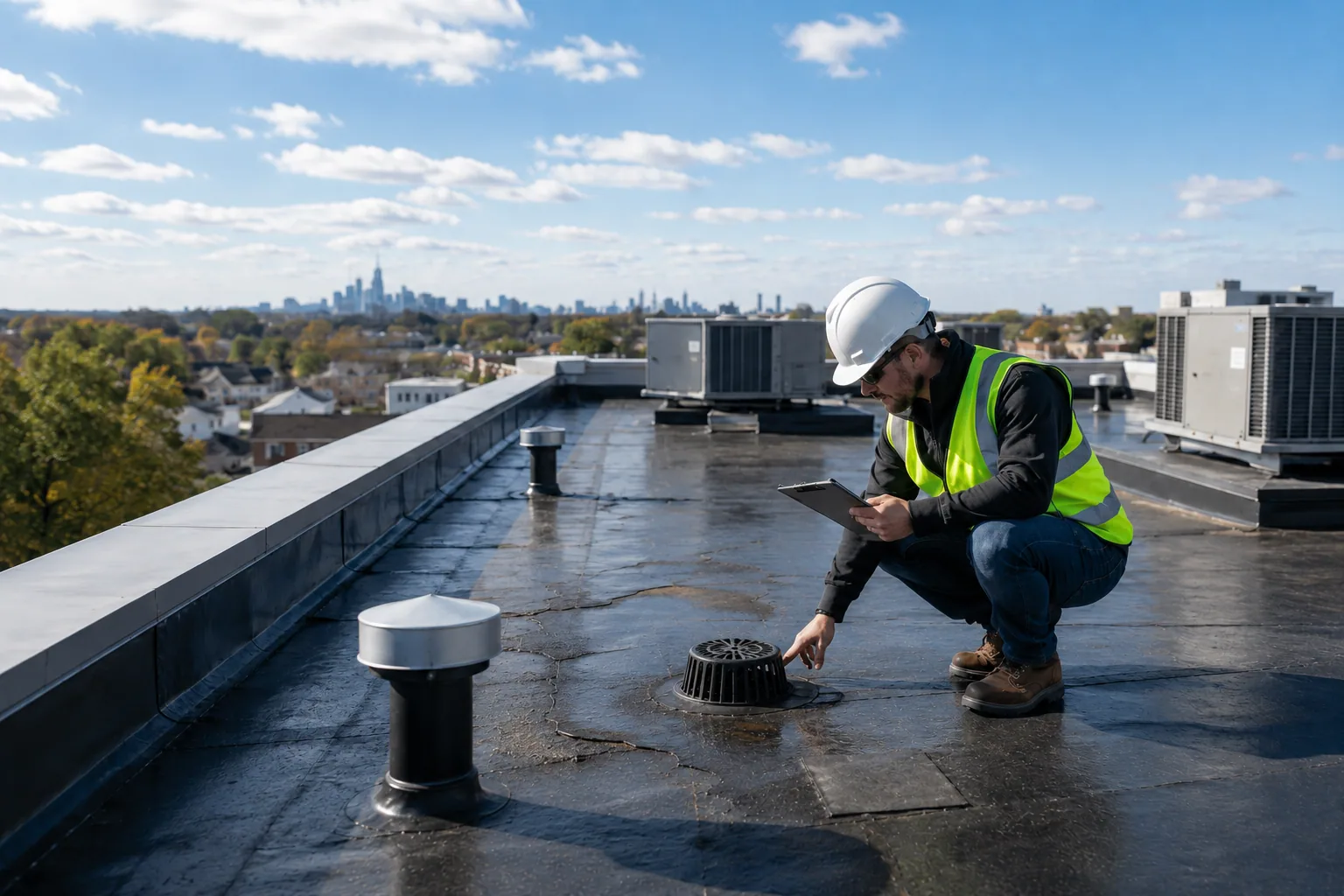
Missing perimeter metal and wet insulation describe different parts of the same repair allowance. A claim assessment needs to see both the exposed component and the construction damaged beneath it. We help document commercial roof damage in Jurupa Valley, CA with photographs, inspection findings and a defined roofing scope. The work identifies what failed and what restoration requires. Coverage and settlement remain decisions for the insurer and policyholder; our role is to make the physical roof condition and repair quantities clear.
Mira Loma experienced damage and injuries in the December 25 and 26, 2000 Santa Ana wind event. Wind exposure makes displaced edges and disturbed attachment important conditions to examine today. We assess the reported damage at the actual property, distinguish emergency measures from permanent reconstruction and record the findings before removal changes them. A general contractor can use that record to compare repair scopes, arrange connected trades and address concealed material discovered during the work.
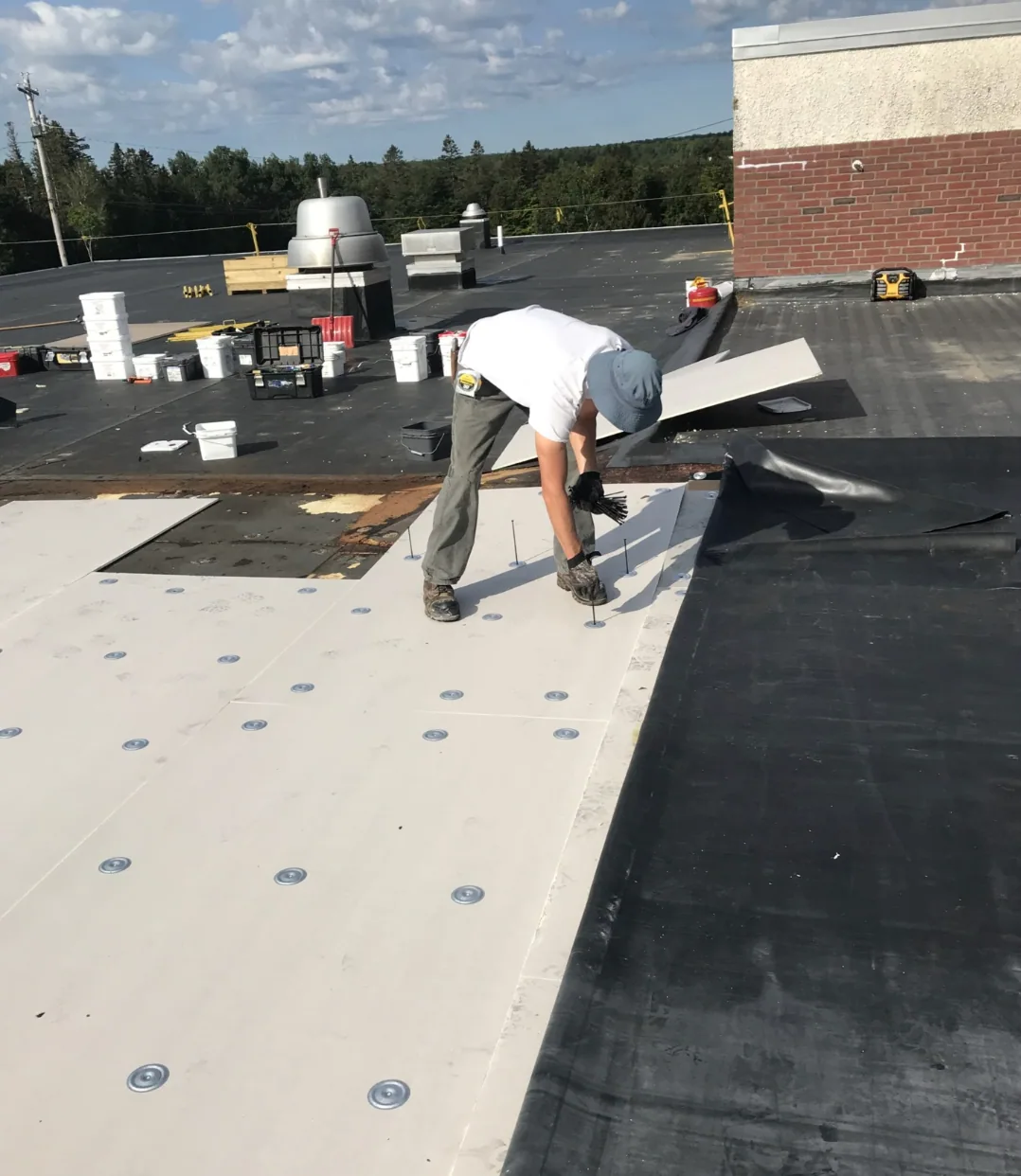
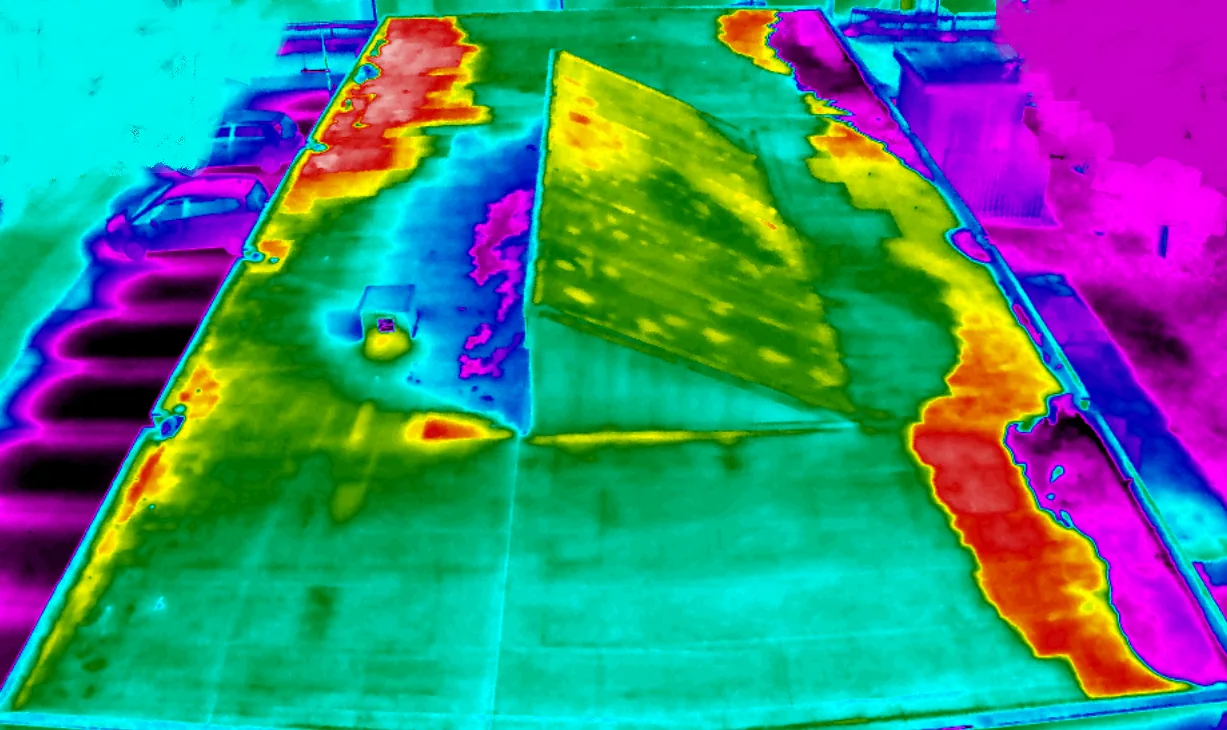
Photographs should locate the roof defect and show its relevant connections. An overview helps identify the affected bay; close images can show a torn sheet, failed fastening or exposed insulation. We document accessible conditions with enough context for another participant to understand the repair. An isolated close-up without its roof location can be difficult to compare with later removal. We mark the work area and relate findings to identifiable drains, equipment or wall details.
A roof condition assessment establishes the observed failure and identifies where additional testing is needed. We record the installed material where it can be determined, previous repair conditions and current damage. A component can have more than one problem. Distinguishing a new opening from adjoining deterioration helps describe the actual scope rather than combining all observations under a single explanation. The assessment should remain specific about what was physically examined.
Interior symptoms also need their locations and timing recorded. Water can move within the roof assembly before appearing indoors, so the damaged room and exterior opening may have different boundaries. We compare the interior exposure with the accessible roof conditions and identify the investigation needed to connect them. That can affect moisture-removal quantities and protection during repair. The record should not imply that one photographed drip establishes every layer requiring replacement.
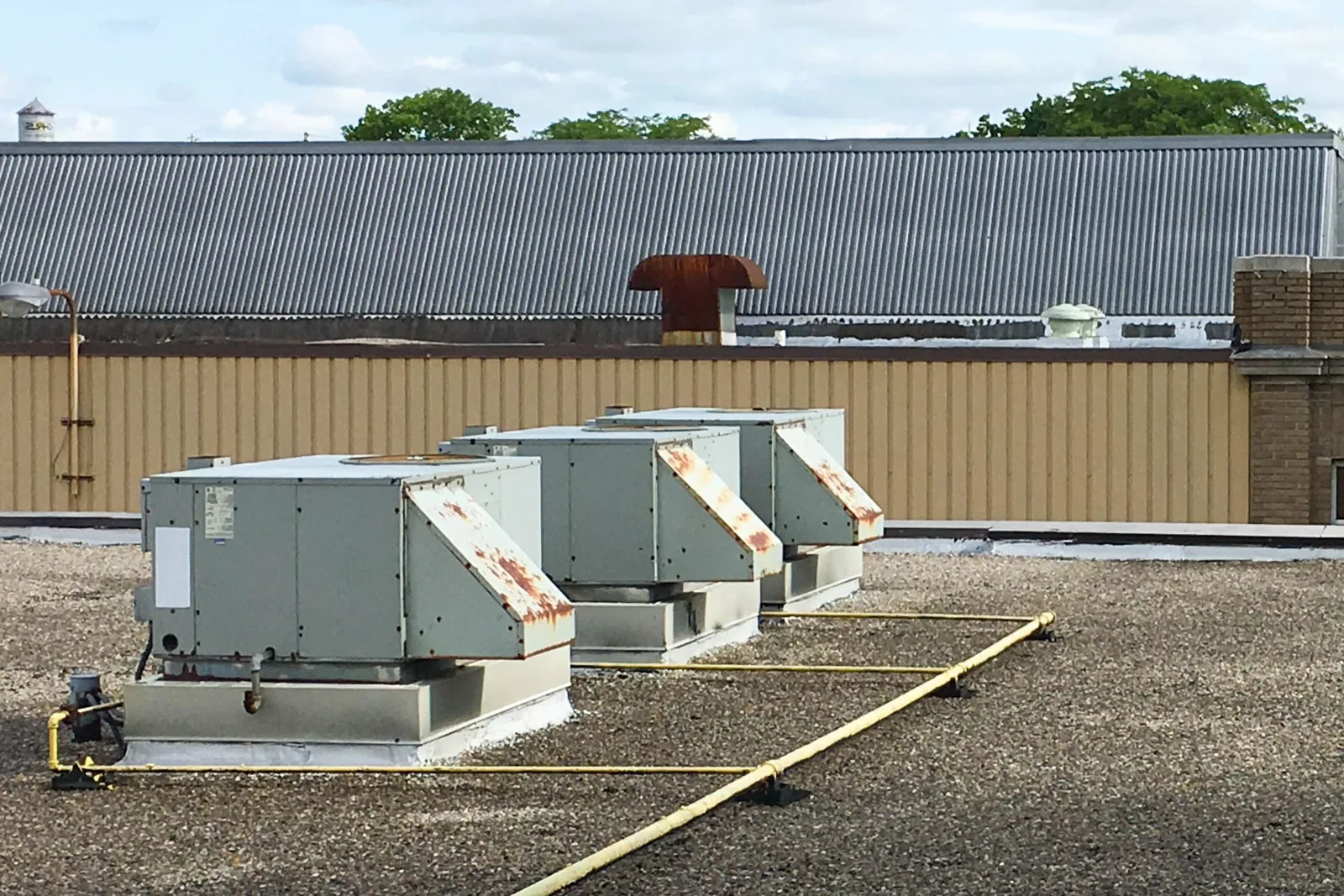
An exposed opening may need temporary roof stabilization before claim review or permanent reconstruction. We assess safe access and protect the building where workable measures are available. The record identifies the original condition and the temporary work used to reduce exposure. A tarp, short-term patch or secured component should not be described as a completed permanent assembly when additional preparation or removal remains necessary.
We describe the material and location of the temporary closure, along with any constraints affecting its use. Permanent work may require removal of that closure, stripping of temporary compounds or replacement of wet supporting layers. Those tasks belong in the final scope. The owner should be able to see why the temporary response and permanent reconstruction have separate quantities, especially where different access equipment or building protection is needed for the later operation.
Interior hazards and unstable roof components require attention regardless of the paperwork sequence. Restrict access beneath soaked ceilings or exposed electrical equipment and arrange assessment by the appropriate building or emergency personnel before gathering interior damage photographs. We coordinate exterior work with those restrictions. Prompt condition photographs can preserve useful evidence while safety measures proceed. Waiting for an inspection appointment should not become a reason to leave a known hazard unaddressed or an occupied space unnecessarily exposed to continuing water entry.
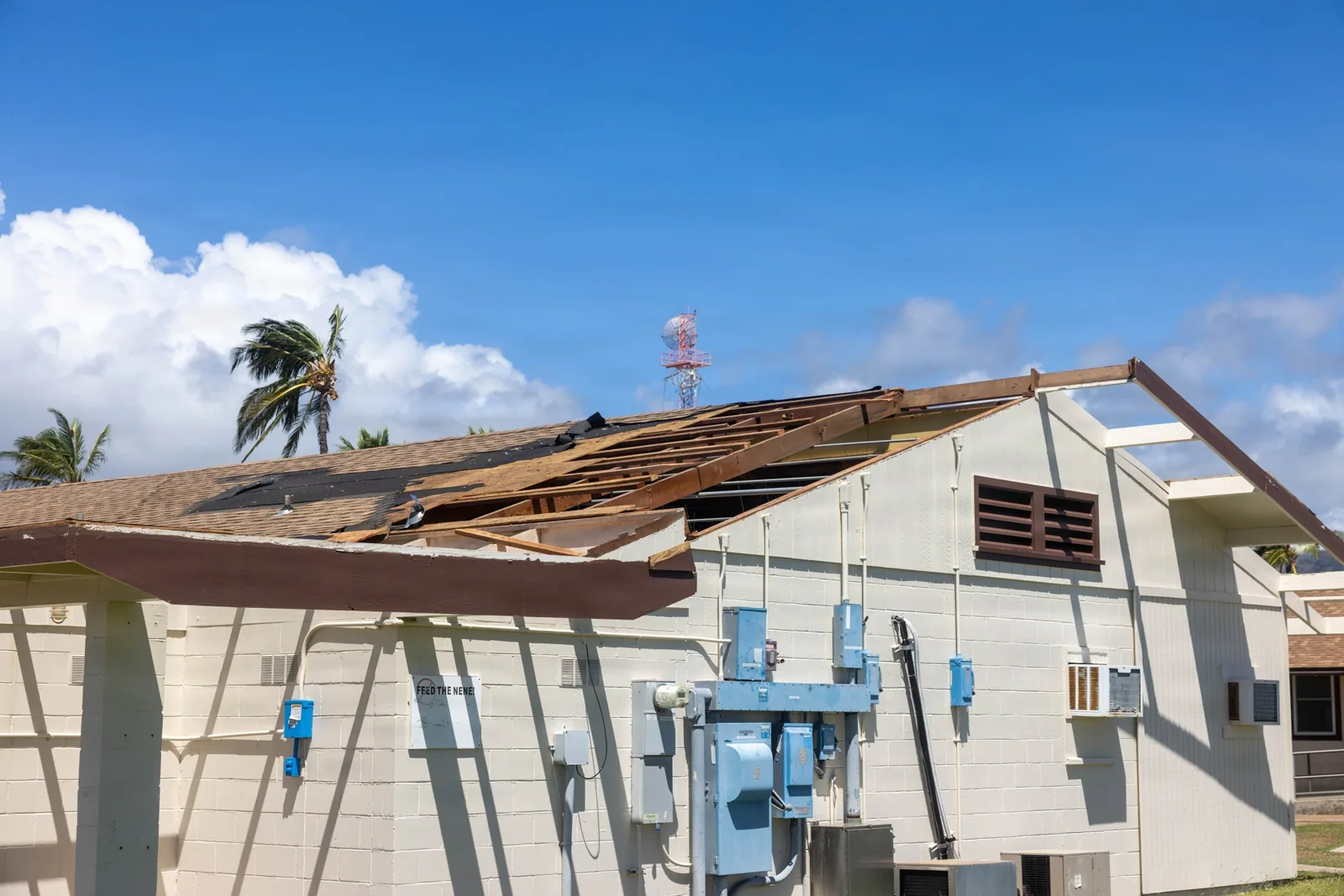
A membrane patch quantity does not include every component needed to restore the assembly. Wet insulation removal, cover board, flashing corners, edge supports and drain connections may each require separate work. We identify those items and their boundaries. Wind-damaged attachment may extend beyond the missing material, while a puncture in sound construction can support a smaller repair. The findings establish which case applies to the inspected area.
Material compatibility also affects preparation. A new thermoplastic patch needs a suitable receiving surface and completed seam; asphalt and rubber systems require different repair methods. Old compounds or contamination may need stripping before a dependable connection can be formed. We include that work in the allowance instead of presenting preparation as an incidental part of the sheet quantity. A reviewer can then understand why similar visible damage on different assemblies may require different labor.
For an EPDM membrane repair, surface cleaning, compatible joining materials and the surrounding sheet condition matter. A failed patch can need removal beyond its original outline to reach usable roofing. The scope identifies that limit and the layers being restored beneath it. We explain the physical reason for the repair method, without assigning policy coverage or settlement outcomes to a material recommendation.
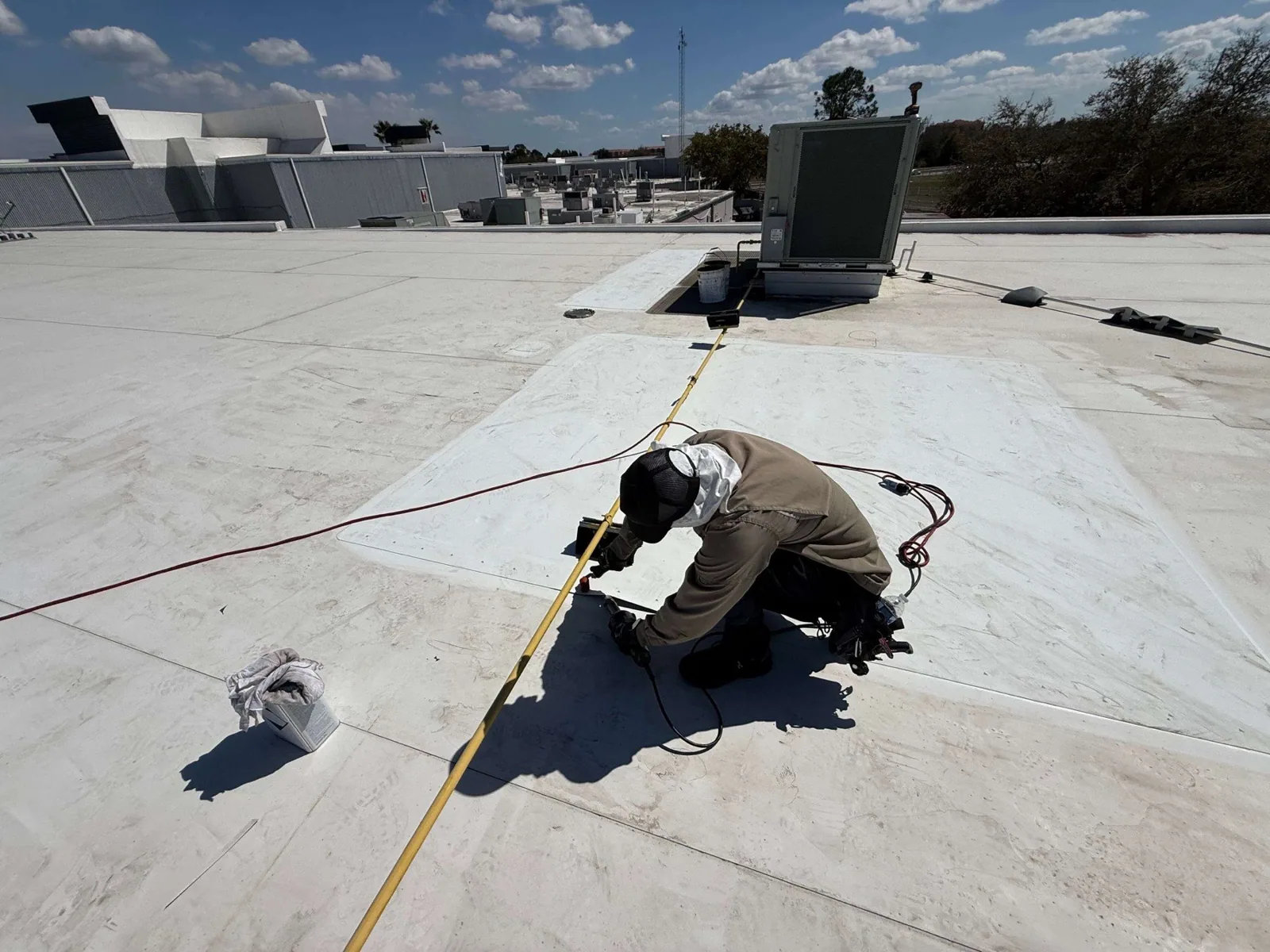
Opening a roof can reveal wet material beyond the planned boundary or deterioration in the supporting deck. We record the exposed condition before covering it and identify how it changes the work. A proposed additional removal should connect to a finding and a measurable area. The contractor can then submit a revised repair quantity or seek the appropriate assessment without allowing an unexplained expansion to become the default response to every concealed condition.
Structural concerns need the relevant design input before new roofing closes the area. Corrosion, decay or damaged deck connections can require a separate scope from insulation and membrane work. We distinguish that evaluation from ordinary roofing repair and explain the effect on sequencing. Where a material discovery changes drainage or finished height, the revised scope also addresses the connected flashing. Restoring the layers without correcting an incompatible transition can leave a new failure at the edge of the repair.
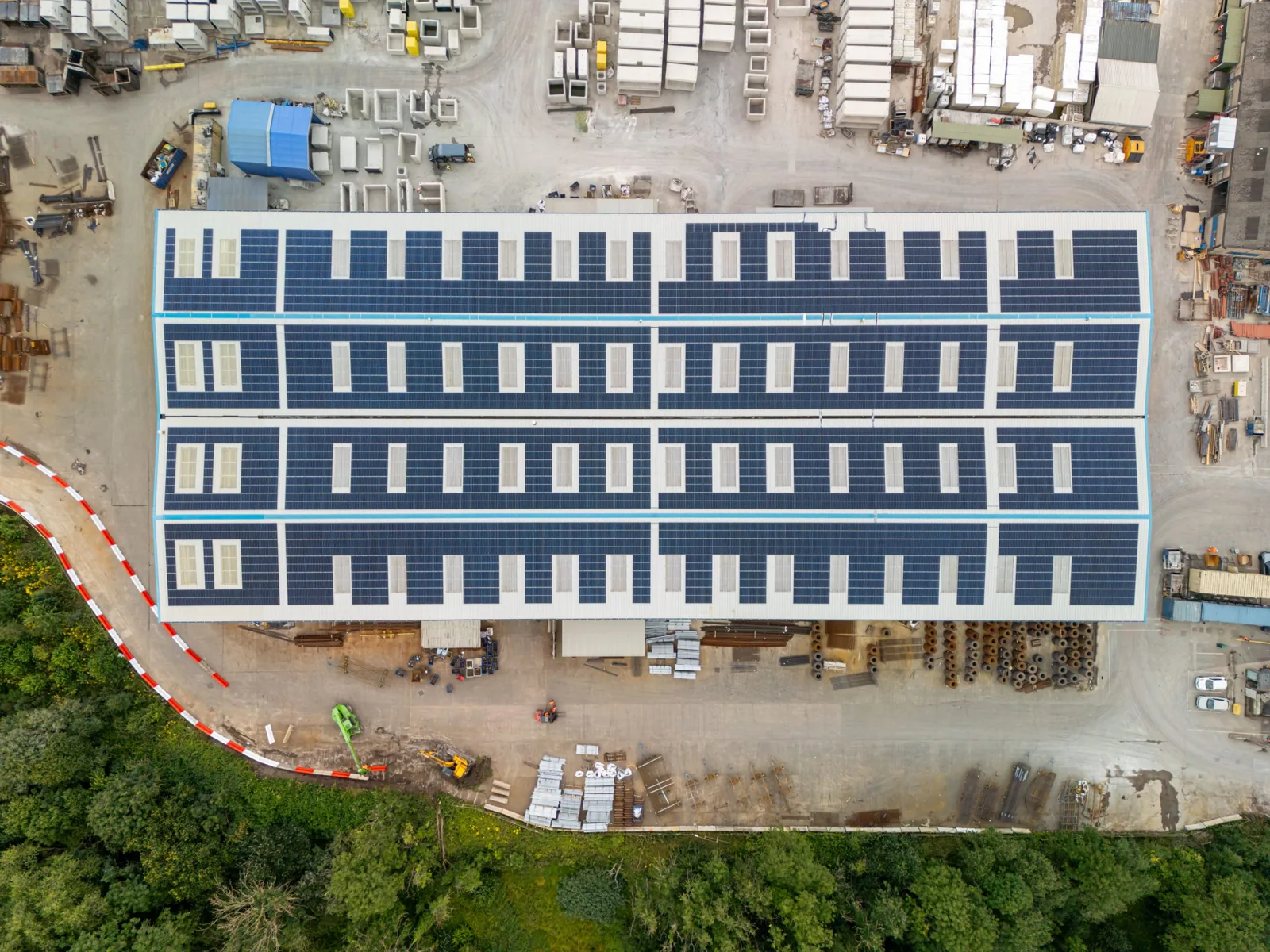
Jurupa Valley's industrial areas include Mira Loma distribution operations. At a warehouse property, the permanent repair may need protection of stock and coordination around loading activity. We establish the actual removal stages, lifting routes and interior exposure. Those requirements can explain labor and temporary-closure items in the scope. They should be linked to the damaged area rather than included as broad project overhead without a defined construction purpose.
Mission Boulevard serves Glen Avon's commercial town-center businesses. Work at a property in Glen Avon may involve a shared entrance or neighboring tenant close to the repair zone. We assess those actual conditions and identify necessary protection. Documentation then includes the access restriction that changes how the repair can be performed. The completed record shows the installed work, any remaining connected trade tasks and the physical condition awaiting a further decision.
The insurer and policyholder determine coverage under the policy and claim process. We document roof condition and describe the physical repair or replacement work supported by the assessment. A broader scope needs evidence of the damaged assembly, not a promise about settlement.
We identify the urgent protection separately from permanent reconstruction. The final scope can include removal of temporary materials and any preparation they create. Keeping the quantities distinct helps show what reduced immediate exposure and what still restores the lasting roof connection.
We photograph the newly exposed condition and establish the revised removal boundary. The additional quantity follows that finding. The scope also identifies replacement layers and transition work, so an expanded removal area does not become an unsupported membrane-only allowance.
Separate defects can be documented during one inspection, with their locations and observed conditions distinguished. We describe the roofing repair needed at each opening. Responsibility and coverage decisions are handled by the relevant parties rather than inferred from the fact that the damage appears on the same roof.