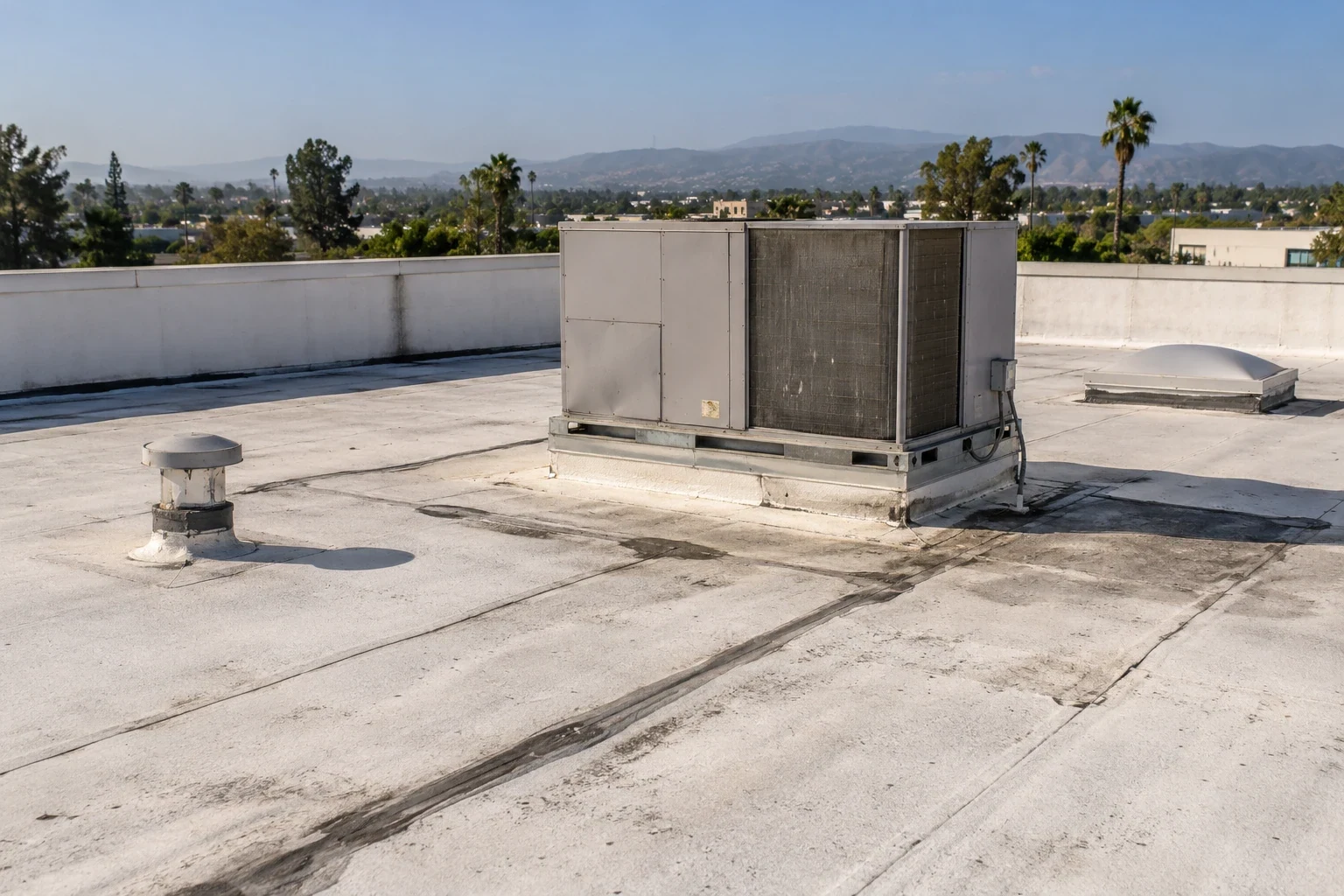
Prepare commercial roofs for solar in Jurupa Valley with failed-detail repairs, suitable supports, coordinated access and plans for future roof maintenance.
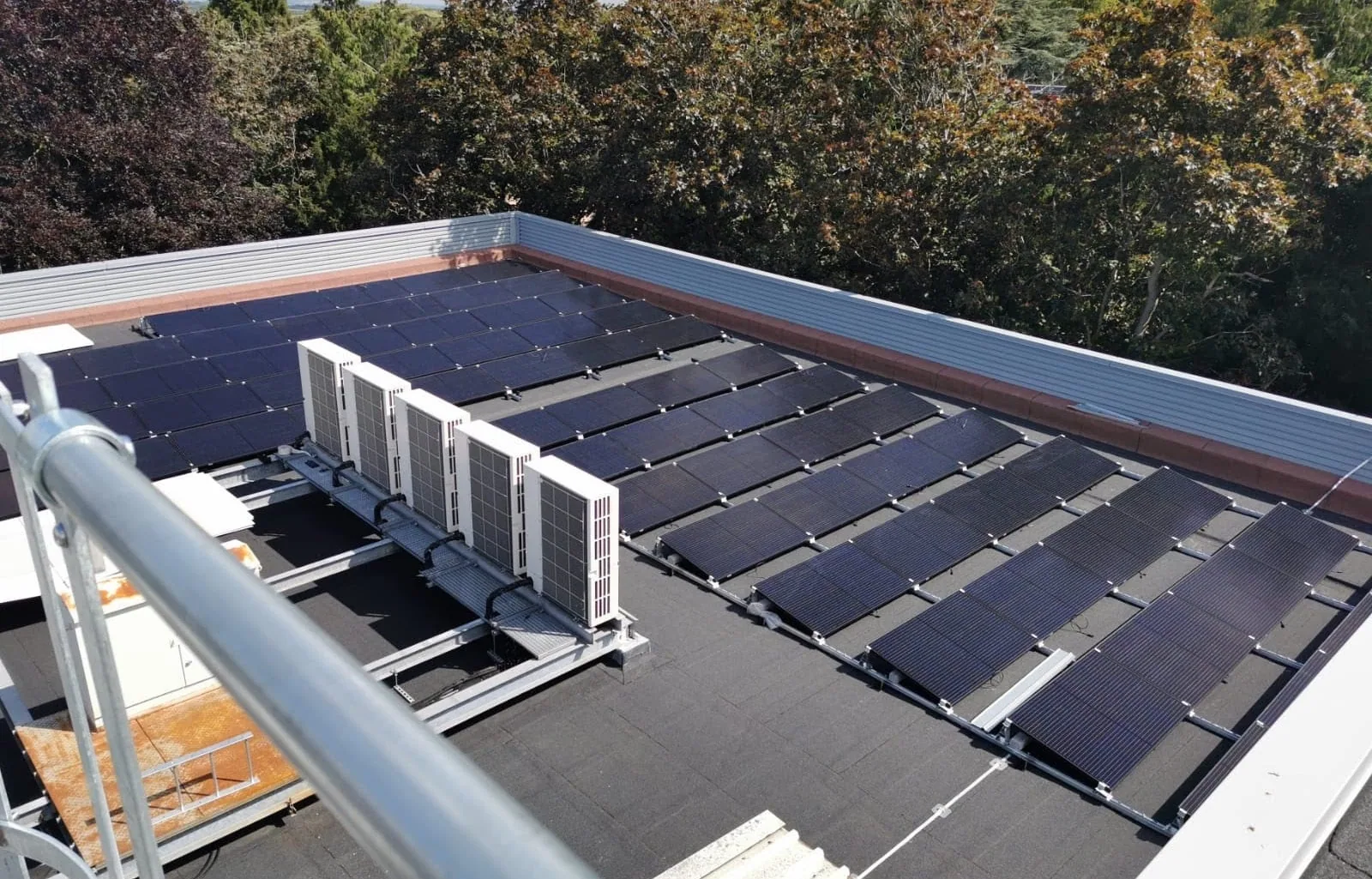
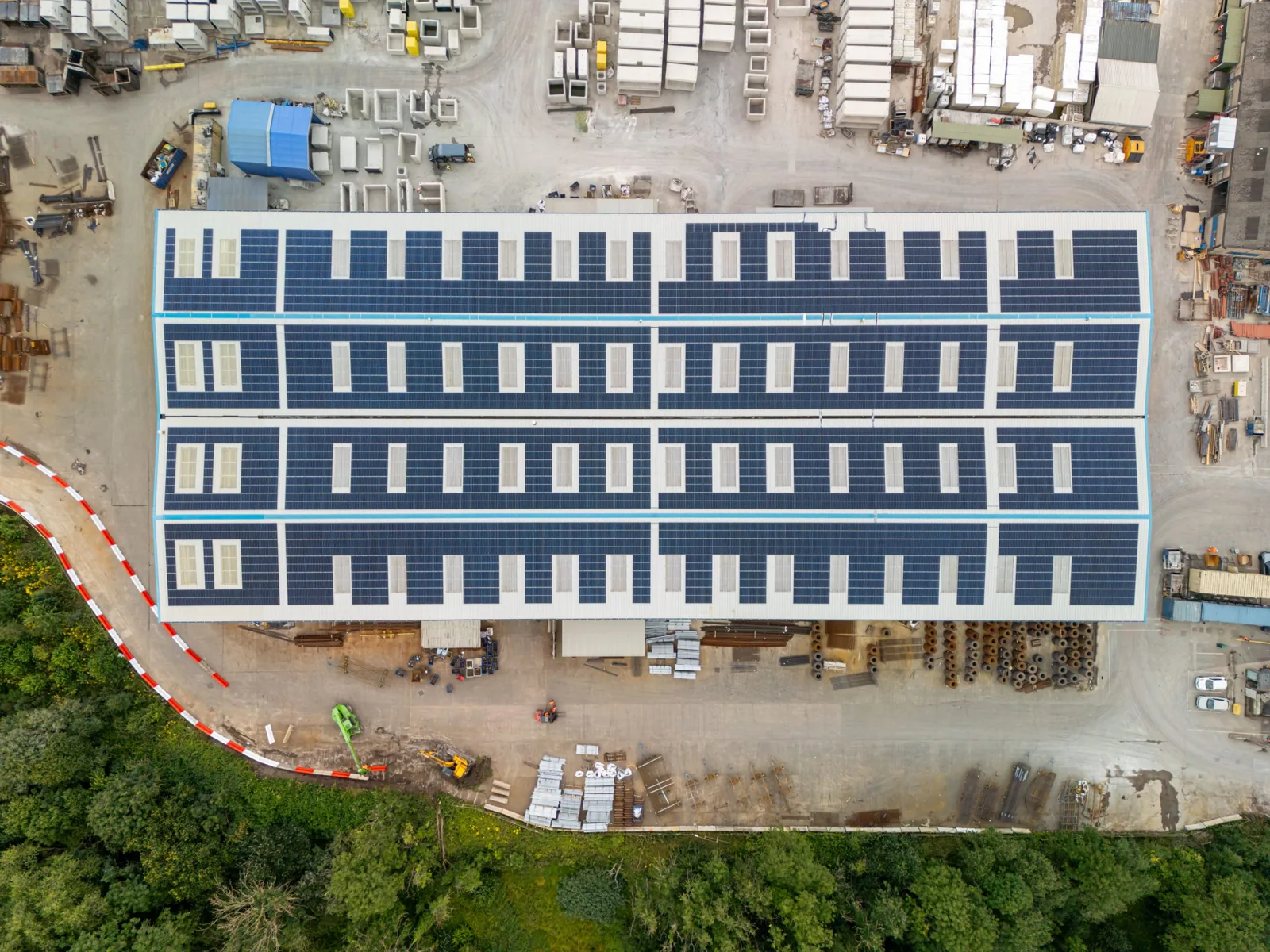
Brittle membrane across several exposed roof sections raises a different solar decision from a sound field with one damaged detail. Renewing the roof before the array may avoid committing equipment to construction that already needs extensive replacement; retaining suitable roofing can limit the work to its actual defects. We assess solar-ready commercial roofing in Jurupa Valley, CA by comparing those physical conditions with the proposed installation. The owner gets a roof-side scope for either choice, including support interfaces, drainage and future repair access.
We prepare and repair the roof assembly in coordination with the solar contractor and responsible designers. Rialto has regional distribution centers, while Mira Loma contains industrial distribution operations within Jurupa Valley. Those operating uses can limit shutdowns and roof access during preparation. We examine the actual building and establish which roof work should happen before the array, which connections need coordination and how the retained construction will remain serviceable after equipment is installed.
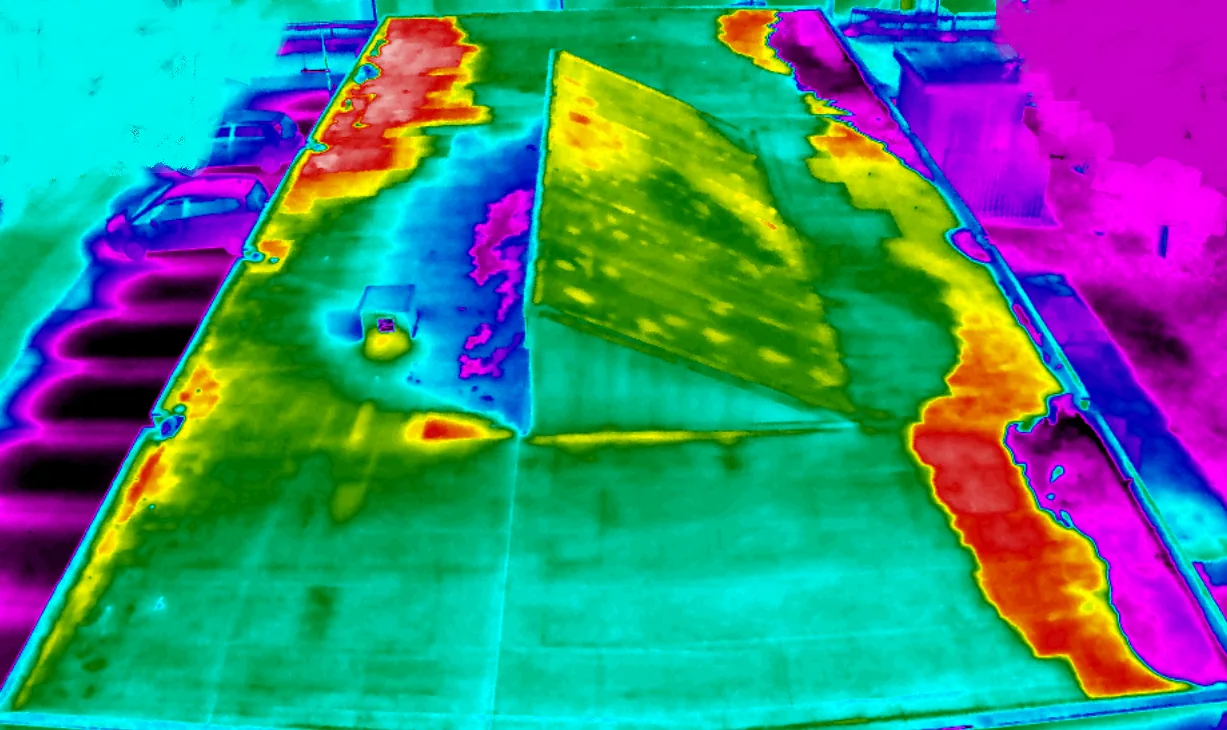
We inspect the membrane, seams, flashings and drainage where the array is proposed. Previous repairs and exposed components need assessment for compatibility with the next roofing work. A roof that is dry during inspection can still have deteriorated joints requiring attention. The findings should identify which defects can be repaired locally and which areas need testing or replacement before they become difficult to access beneath modules and equipment.
Moisture testing before array installation can help establish where suspect insulation needs removal. We confirm selected findings physically and identify the affected layers. Leaving damaged material under new equipment can increase the handling needed when it fails later. The contractor can compare the roof correction now with the additional disassembly and access work that might accompany a deferred repair. The comparison includes the observed damage and the roof work needed to retain the assembly.
Attachment and deck concerns need assessment alongside moisture. Solar loads and the roofing assembly's own requirements must be considered by the appropriate designers. A dry membrane does not establish structural capacity. We identify the accessible roof condition and coordinate any testing needed for the proposed roofing attachment. The solar installation's load evaluation remains a separate design task, with the final roof connection formed against suitable supporting construction.
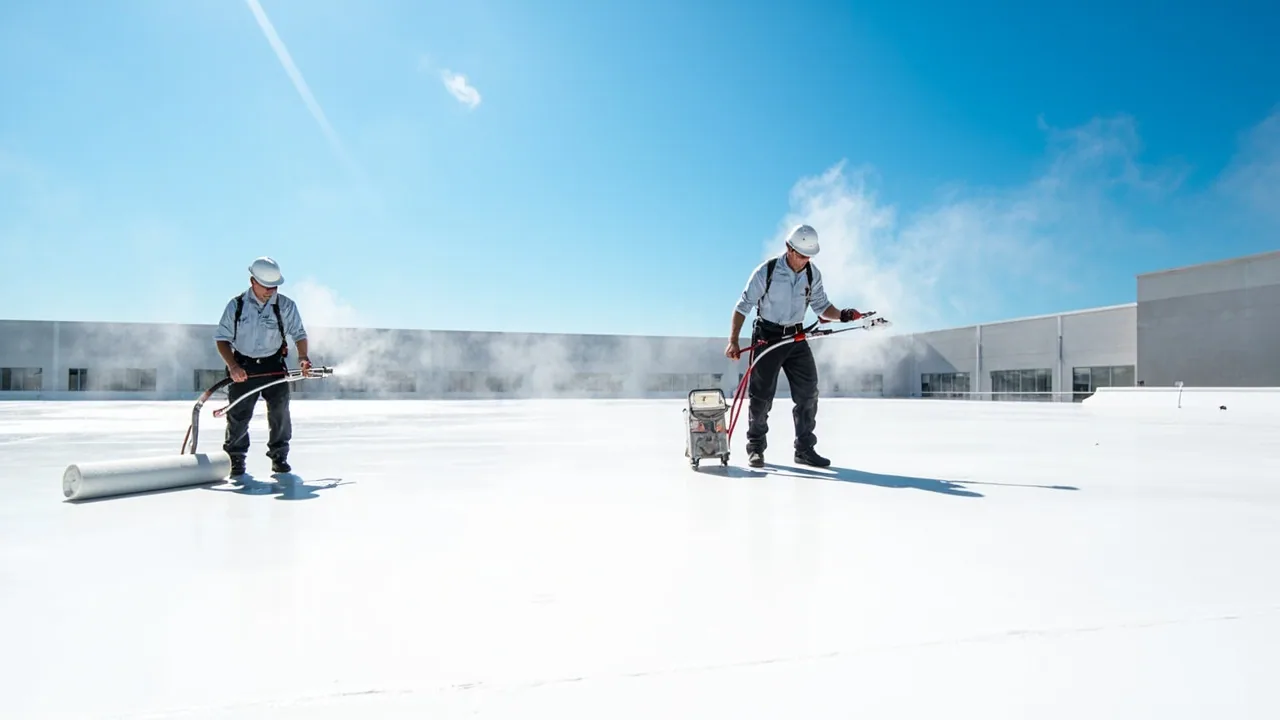
A sound roof with bounded defects may be prepared through localized repair. Widespread deterioration or wet layers can make earlier reroofing the more practical construction sequence. We compare complete scopes, including the roof materials, temporary protection and equipment work required by each option. The owner should see the cost consequence of retaining the assembly and the physical conditions that support that choice, rather than assume solar preparation always means replacing the roof.
Where replacement before solar work is appropriate, we establish finished elevations and the details that will receive penetrations or supports. The membrane and insulation selection must suit the building requirements and proposed interface. Equipment installed later should not force a new opening through a detail already completed in a conflicting position. The general contractor needs the coordinated layout before either trade commits to material installation.
A standing-seam metal roof can have different solar connection options from a membrane roof. Clamped arrangements require assessment of the panel system, attachment and allowable loading. Penetrating arrangements require a complete weather detail. We coordinate the roof-side requirements with the solar design and assess whether the receiving panel construction can accommodate the proposed equipment connection.
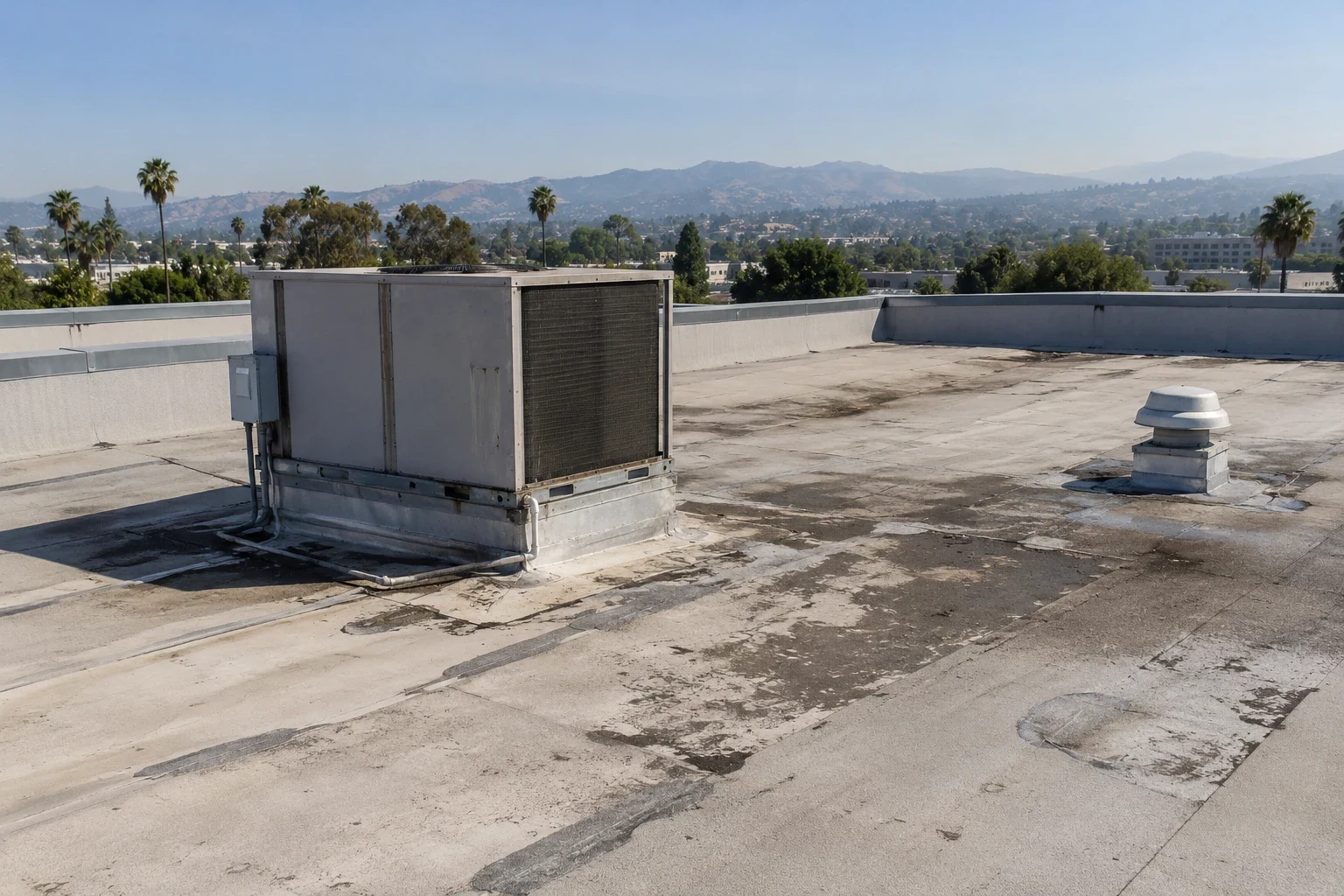
Solar supports can involve penetrations, pads or other arrangements selected by the responsible design team. We examine how the chosen interface meets the installed roofing. Concentrated loads, abrasion and incompatible contact materials can damage the membrane or its support layers. The roof-side scope identifies protection, reinforcement or reconstruction needed at those locations. Each measure must suit the specified assembly; an improvised pad should not conceal an unresolved bearing or attachment issue.
Roof support and curb work may be needed where equipment or associated penetrations change. We establish which trade controls the support, the flashing and any equipment connection. The installation sequence should allow inspection of the roof detail before it becomes obstructed. A general contractor can then identify the stage that needs joint attendance, instead of leaving the roof repair until after the array limits physical access to its connection.
Electrical routes and equipment placement can affect roof openings and servicing paths. We coordinate the proposed locations so cables and equipment do not block drainage or prevent a complete flashing detail. The responsible electrical and solar trades establish their system requirements. Our scope addresses the weather assembly around those interfaces. Any later relocation that disturbs the completed roof needs a defined compatible repair rather than an unplanned compound application around the moved component.
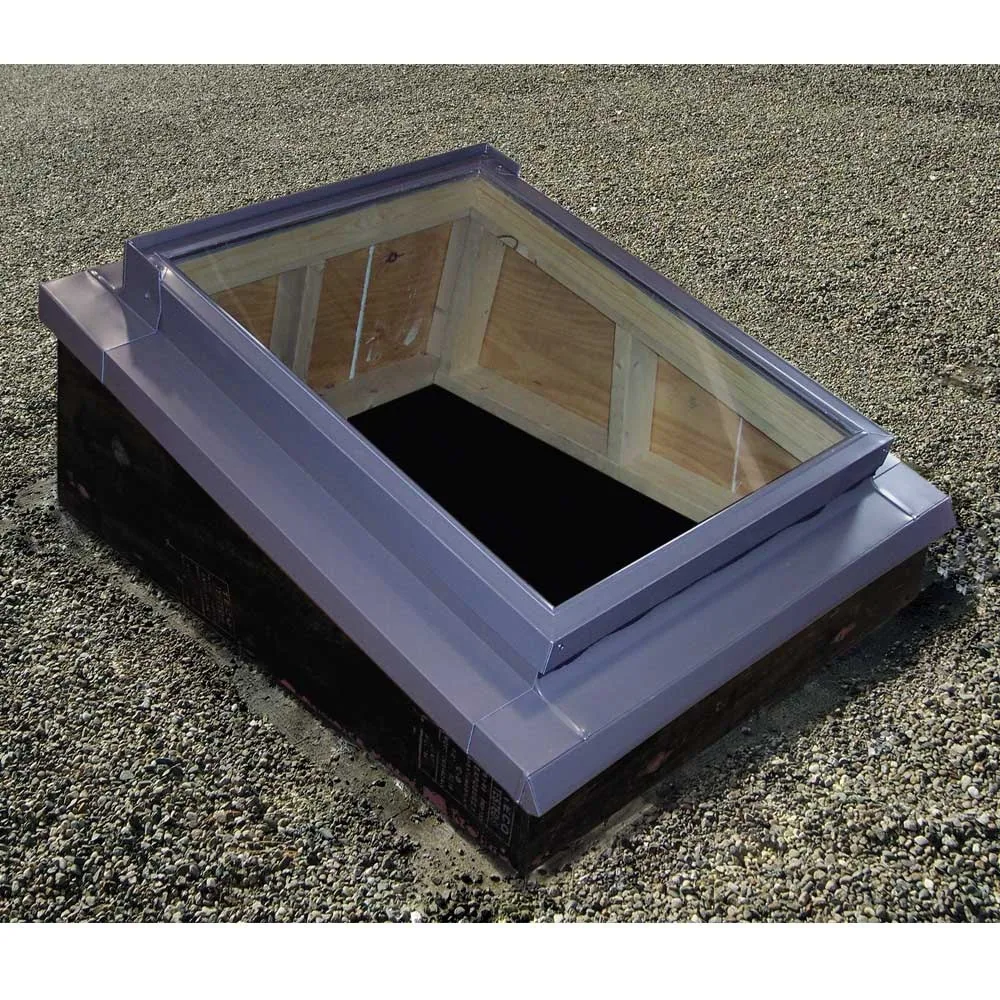
Outlets, seams and penetrations need service access after the array is installed. We examine the actual layout and identify roof areas that must remain reachable for inspection or repair. Modules placed over a drain connection can increase disassembly during outlet work. Drainage and maintenance access should therefore be coordinated before installation. Applicable roof-access and fire-safety requirements need the responsible review, without assuming that a convenient equipment arrangement will satisfy every project requirement.
For a distribution-center solar preparation project, the operator may also need protected routes between rooftop equipment. We assess actual paths and identify suitable membrane protection where servicing will continue. The operating building below affects removal stages and temporary closures during roof preparation. Those requirements should be part of the roof allowance so the solar schedule does not force a wet or unstable area to remain merely because equipment delivery is already booked.
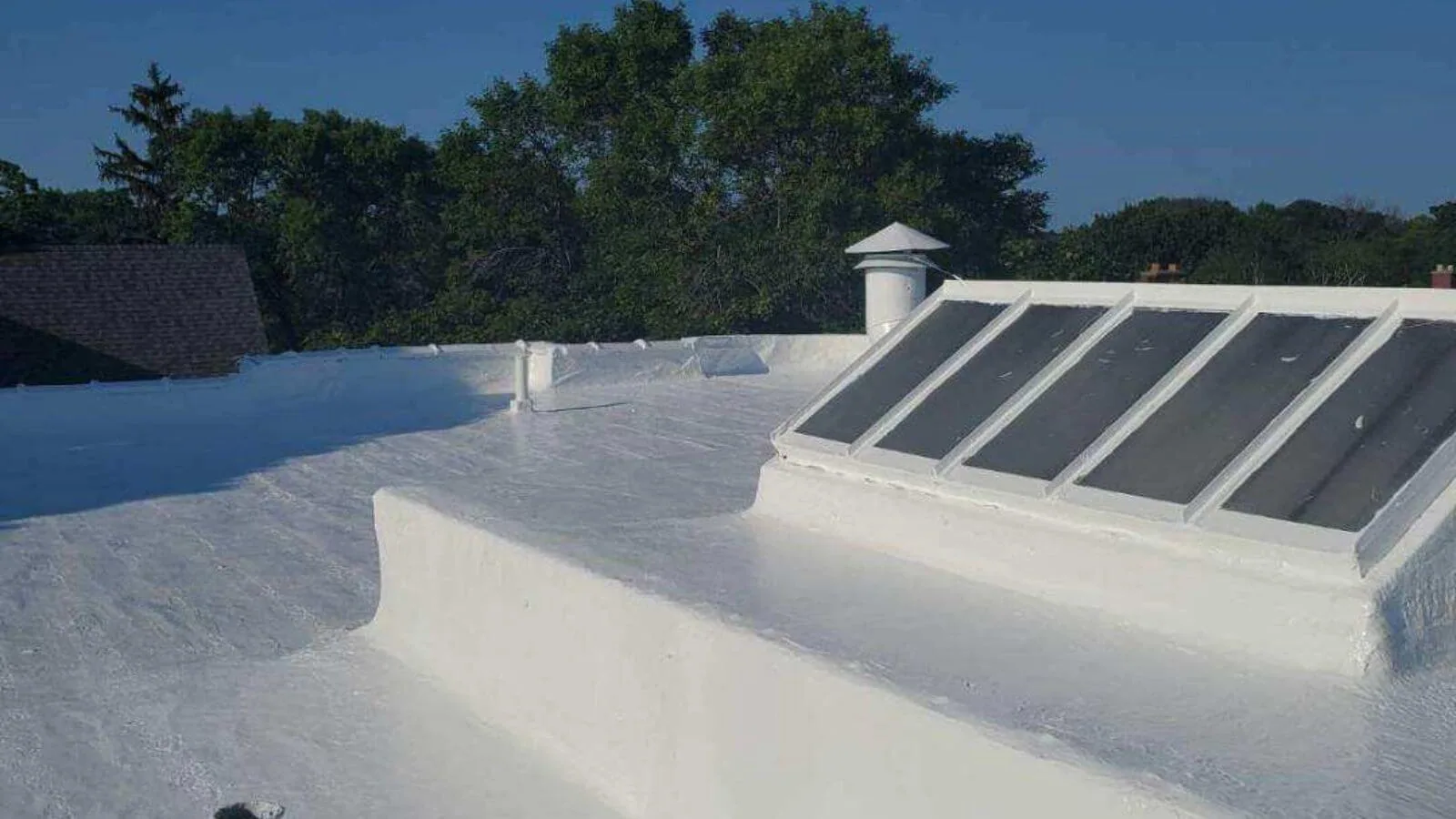
Localized replacement needs dry, suitable support and a compatible connection to the retained membrane. We remove unstable material to the assessed boundary and rebuild the necessary layers. The finished section should maintain drainage and sufficient detail height. We document the roof work locations before module placement, so future inspection can identify the repaired seam or flashing without relying on a general photograph of the whole roof.
At a property in Rialto, distribution operations may restrict when stock areas or loading routes can be interrupted. We establish those actual conditions and coordinate the roof preparation window with solar handling. The contractor should see any lift, staging or interior protection that changes the sequence. Completion of the roof-side work includes identifying remaining interfaces awaiting solar installation, rather than claiming the entire coordinated project is complete before the equipment connection is formed.
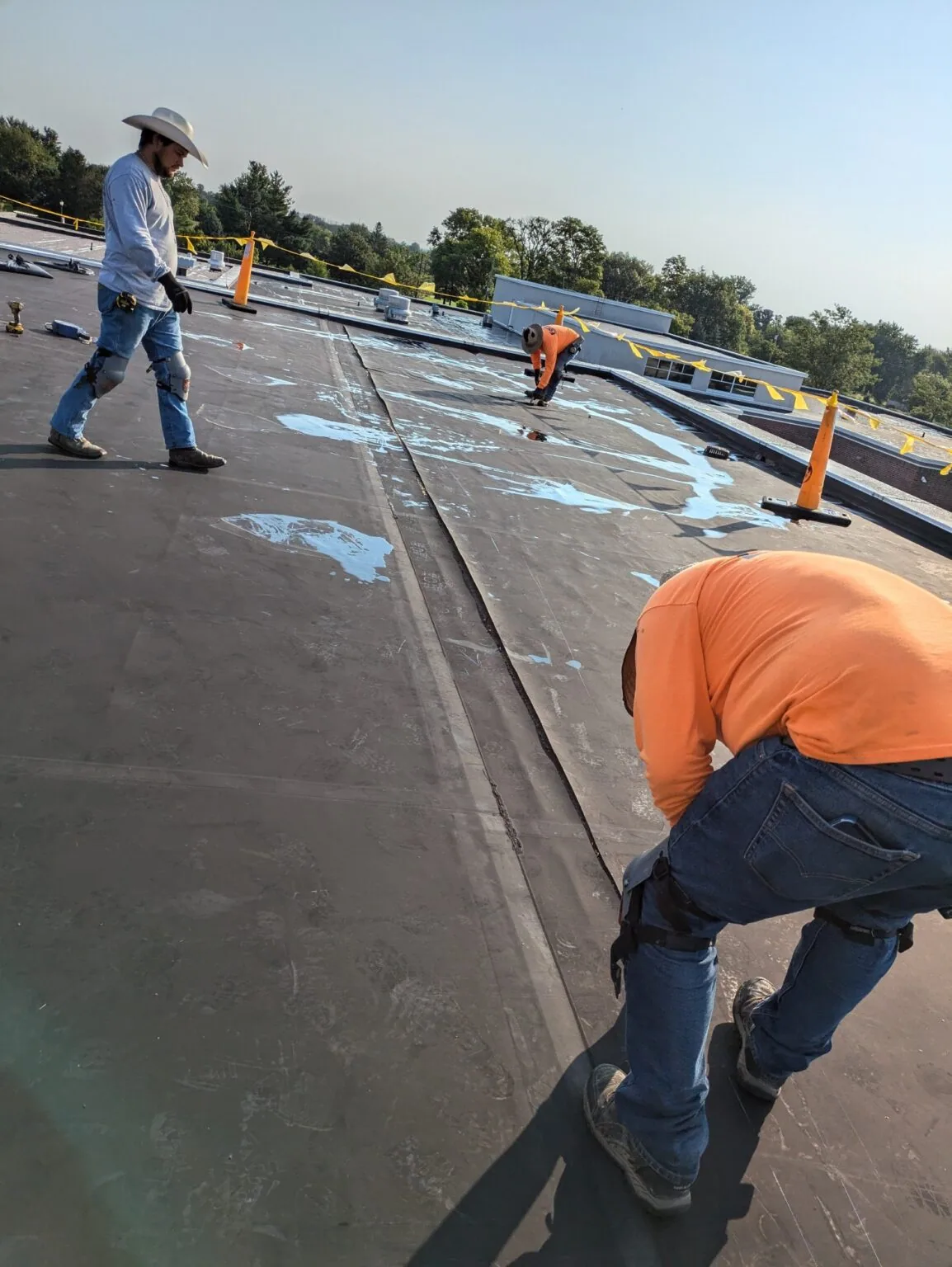
Array-related repair needs can change as equipment is serviced or the roof ages. We identify maintenance access and the method for reaching affected construction if removal becomes necessary later. The owner can use that information when planning roof upkeep and coordinating warranties or equipment work. Solar-ready roofing is a practical construction decision: restore the damaged assembly now and leave its important details accessible enough to inspect and repair during continued operation.
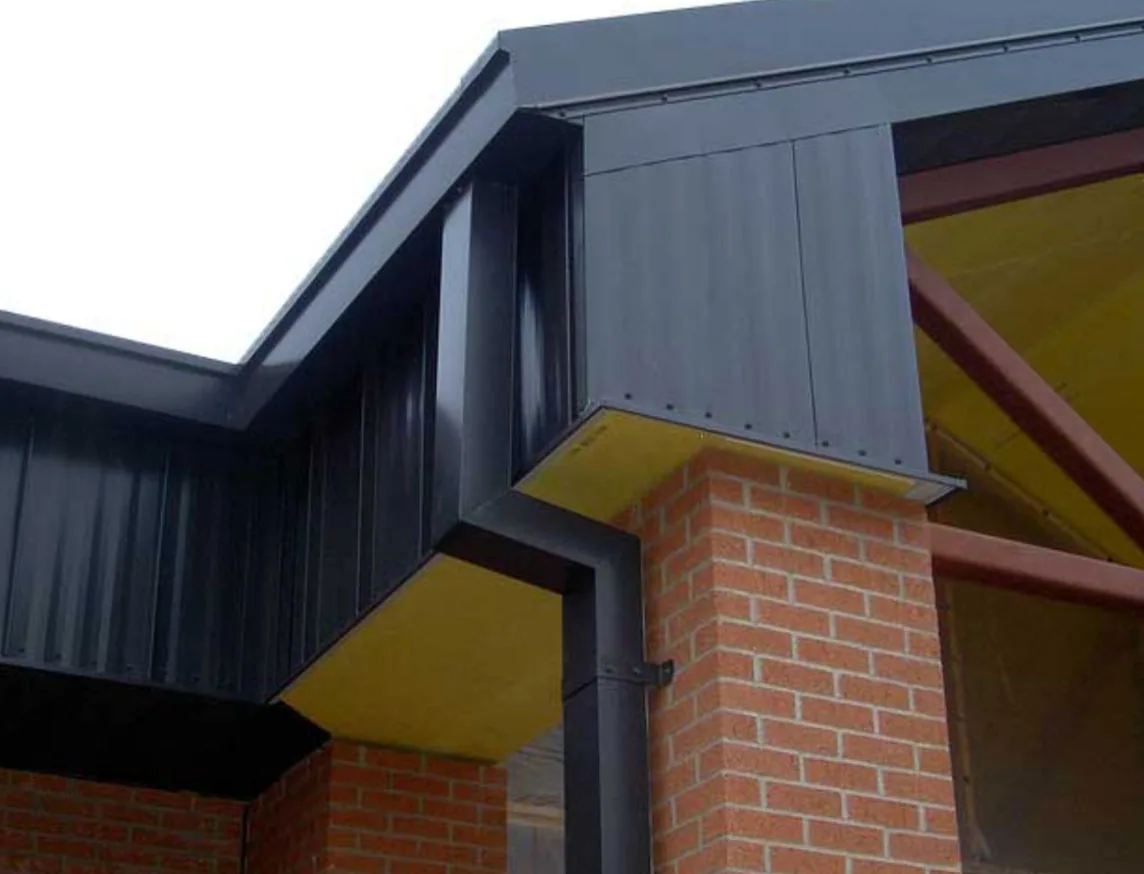
Roof condition determines whether repair or replacement should precede installation. We identify wet layers, deteriorated joints and attachment concerns, then compare the complete scopes. The decision also includes future equipment handling if retained construction will require repair after access becomes restricted.
Contact and loading can still affect the membrane and its supporting layers. We assess the proposed interface with the solar designer and identify suitable protection or reconstruction. Structural capacity and equipment requirements need their own evaluation alongside the roof-side weather connection.
The coordinated scope should assign the equipment relocation and the compatible roof repair separately. We identify the detail that will be disturbed and the material needed to restore it. That division helps prevent temporary field treatments from becoming the final weather connection.
The actual layout needs to preserve workable outlet servicing and comply with applicable design requirements. We examine what removal or access would be needed to repair the drain connection. The array arrangement should not make a necessary roof inspection or routine drainage task impractical.