Assess Loma Linda commercial roof coatings by checking adhesion, moisture, substrate condition, edge details, and the building schedule.
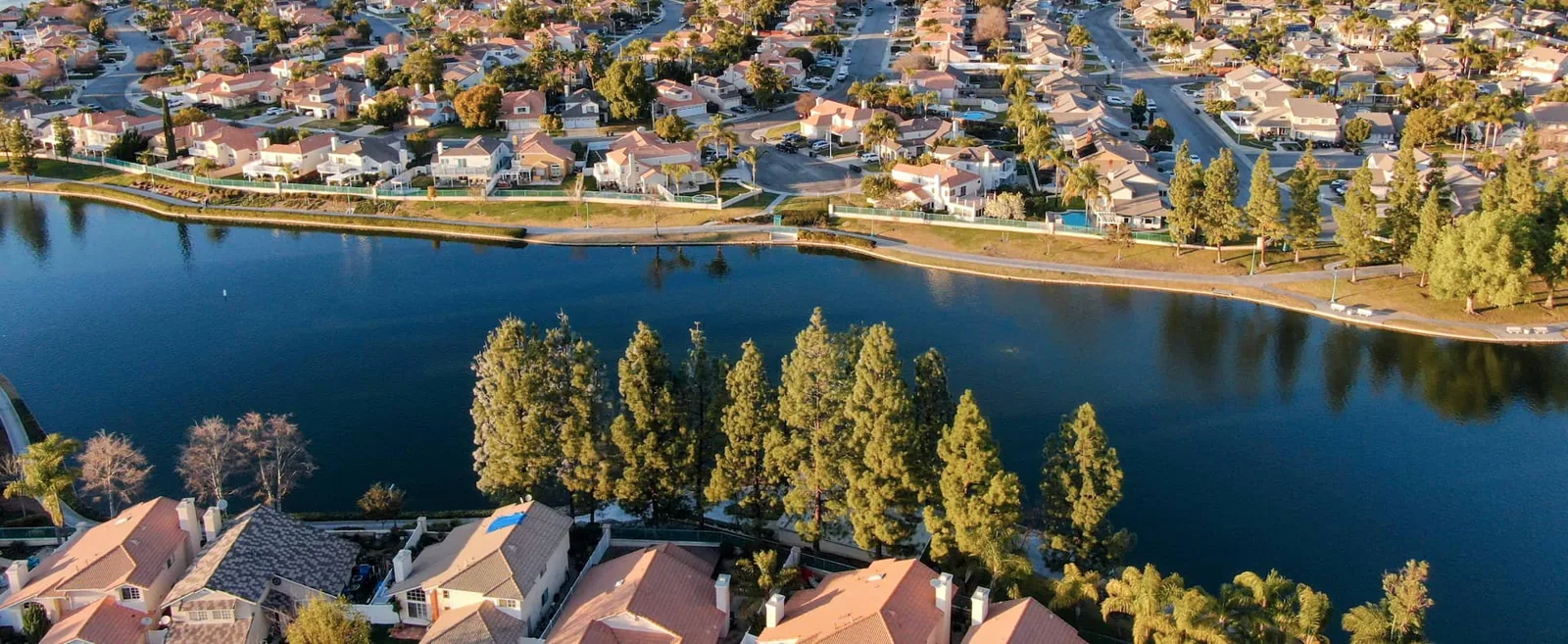
A coating that has lifted around a drain can expose the roof below while still looking intact from the opposite side. Before another layer is applied, we check adhesion, trapped moisture, and the condition of the substrate. We inspect commercial roofs in Loma Linda, CA, and determine whether restoration can retain the existing assembly or whether damaged material needs removal before a new coating is considered.
Loma Linda includes Loma Linda University Medical Center and Loma Linda University, a health-sciences higher-education institution. Most of the city is served by Redlands Unified School District, while its western edge is in Colton Unified School District. These uses can involve occupied rooms and scheduled activity, so we coordinate roof access and protection with the property team responsible for the specific building.
A lifted coating can result from poor adhesion, trapped moisture, incompatible material, or movement at an underlying seam. We inspect blisters, peeling edges, chalking, cracking, and ponding areas, then test representative locations where suitable. The existing roof must remain stable enough to receive restoration. If the coating separates because the membrane or insulation below has failed, covering the surface again may leave the underlying condition unresolved.
A commercial roof coating restoration starts with surface preparation and a clear account of repairs needed before coating. A moisture survey can help identify areas for physical confirmation if conditions support it. We inspect drains, curbs, edges, and penetrations too, because a restored field still needs secure transitions and open drainage. The proposal should identify where coating is suitable and which defects require separate repair.
System compatibility matters. A silicone coating system may be considered only after the existing assembly and receiving surface are identified. We check adhesion, substrate moisture, prior coatings, and the manufacturer’s installation criteria for the selected product. If those checks do not support coating, the scope can compare repair or replacement without forcing a coating option onto an unsuitable roof.
Where a test patch is useful, we prepare a small representative area and allow the required cure period before evaluating bond and surface behavior. The test location should be documented and protected while it cures. A successful patch does not substitute for checking the full roof, but it can resolve a specific compatibility question before a larger quantity of coating is ordered.
Coating restoration can preserve a sound roof when defects are repairable and the substrate accepts the selected product. We first correct open seams, flashing failures, corrosion, or punctures as required by the system. Surface cleaning and preparation then establish the bond. The scope should name the areas to restore, the preparation work, reinforced details, drain treatment, and the limits where coating stops.
Replacement may be the better choice when water has saturated insulation, the membrane lacks stable attachment, or previous layers prevent reliable adhesion. A partial replacement can remove the wet or failed section and transition back to retained roof material. Full replacement provides broader access but increases removal, disposal, and interior protection. The estimate should show what remains in each option and which concealed conditions could change the work boundary.
Recovery adds thickness, which can alter drain elevation, curbs, wall terminations, and roof-to-roof transitions. We check those details before proposing another system above the existing assembly. A coating is thinner than an overlay, but still needs sound edges and appropriate drainage. The decision compares preparation, repairs, and expected maintenance needs against the removal work rather than treating one method as automatically less disruptive.
Healthcare and education properties may require careful phasing where rooms remain occupied. A healthcare roof schedule can plan interior safeguards when the building use calls for them. A campus roof scope can coordinate academic access where applicable. We confirm actual hours, restricted rooms, and rooftop equipment responsibilities with each facility contact before choosing a coating or replacement sequence.
Coating work depends on surface dryness, preparation, and suitable weather conditions. We schedule around those requirements and protect the roof from foot traffic while material cures. Access to mechanical units, vents, and drains needs to remain controlled so another trade does not damage the new surface. The work plan states who can enter the roof area and what completion condition releases it for normal service.
Interior safeguards begin below the work boundary. We identify rooms or equipment that may be affected by washing, scraping, or removal and agree on coverings or temporary relocation. The crew should also have a clear route for waste and tools. If a coating test or repair reveals wet insulation, work stops at a protected edge while the owner reviews the additional scope and decides whether to open that area.
A leak affecting rooms in use calls for safe roof access and interior protection before the assembly is opened. A temporary measure can limit water entry while the roof is dried, tested, and prepared for permanent restoration. We document that response separately from the coating scope so the property team can see what remains. A wet surface or active leak should not be rushed into a coating application that cannot bond as required.
A roof condition report can preserve coating test locations, roof photos, moisture findings, and repair needs. That record supports budget timing and future inspection by a property team. For portfolios crossing municipal boundaries, a multi-site roof program can coordinate review dates while keeping each assembly and coating decision separate.
Coating restoration cost depends on roof area, cleaning, old material removal, test patches, repairs before coating, reinforcement, and drain or curb detailing. Access and protection below can add labor. A roof with many failed seams may need substantial correction before the field is ready. We break out preparation and repairs so the owner can compare restoration with partial or full replacement on a complete scope.
Replacement cost changes with removal depth, wet insulation, deck work, disposal, new membrane, edge metal, and equipment coordination. If the hidden layers are uncertain, the estimate can list an exploratory opening and a unit allowance for added material. That gives the owner a defined approval point if test results expand the removal boundary. We do not treat unknown substrate as confirmed dry or wet until it is inspected.
A Loma Linda property can be compared with a Montclair roof assessment or a Redlands building project through a consistent roof record. We measure each assembly independently. If the same owner manages several sites, shared scheduling can be coordinated without assuming coating adhesion or material compatibility carries over from one roof to another.
For a Loma Linda roof review, provide the installed system if known, coating history, active leaks, drain locations, and any access or occupancy restrictions. We can evaluate the surface and identify what must be repaired or tested before restoration. The proposal can compare a compatible coating, a replacement section, or a larger reroof with preparation and interior safeguards visible in each option.
Only after the existing surface and underlying roof are checked. We test adhesion and moisture, repair defects that need separate work, and confirm whether the selected material can bond.
It can help evaluate adhesion and compatibility at a representative location. We still inspect edges, drains, seams, and other roof areas before setting the full restoration scope.
Wet insulation needs investigation and may require removal. We identify the affected layer and do not use a coating to conceal material that cannot remain.
We coordinate work hours, access, ventilation concerns, interior protection, and curing restrictions with the facility contact before material application.