Plan Montclair commercial roof repairs around the installed membrane, shopping and transit access, drainage, and the operating schedule.


A puncture in a roof membrane can admit water during rain, then dry before the next inspection. The repair still needs to account for the receiving surface, nearby seams, and any wet insulation beneath the opening. We inspect commercial roofs in Montclair, CA, identify the membrane and damage extent, and compare a prepared patch with a wider replacement boundary where the field no longer supports a reliable tie-in.
Interstate 10 runs through northern Montclair. Montclair Transit Center provides Metrolink, Foothill Transit, and Omnitrans connections, and Montclair Place is a shopping mall served by the city’s transit network. These routes and commercial activity make delivery timing and access planning relevant for some buildings. We coordinate roof entry, staging, and public routes with the property contact before work starts.

A puncture may come from maintenance traffic, dropped hardware, sharp equipment edges, or a cut made during another trade's work. We inspect its shape, surrounding wrinkles, seam distance, and the surface condition of the membrane. A small opening in firm material can accept a local repair after cleaning and preparation. If the sheet is brittle, poorly adhered, or already split at the nearest seam, the repair area may need to extend to material that can hold a new connection.
A commercial roof leak repair follows the confirmed entry point and checks the nearby water path. During a roof inspection, we document penetrations, seams, drains, and earlier patches to determine whether the defect is isolated. The patch method depends on the installed system. A TPO membrane repair needs compatible preparation and a proper welded seam; other membranes require their own approved application method.
Moisture below the puncture can widen the work limit. We inspect accessible layers, review ceiling marks, and consider a focused test opening if surface conditions do not show the full extent. The owner should know whether the base price includes only visible membrane work or also an allowance for wet insulation or deck repair. A test opening should be placed where it can answer that question, then restored with the same care as the permanent work.
Traffic routes across the roof can explain how new punctures appear. We look at access to mechanical equipment, ladder landings, service paths, and areas where loose materials could damage the sheet. If another trade caused the defect, the repair scope can include protection or a walk pad where appropriate, after the owner approves its placement. That step reduces repeat damage without attributing a cause that has not been confirmed.
For a local patch, we remove loose material, prepare a clean perimeter, and install a membrane-compatible repair that extends onto stable substrate. We verify seam width and avoid finishing a patch where water can run under an exposed edge. If the sheet moves or the area has several punctures, a larger section may give a more dependable tie-in than a cluster of small pieces.
Partial replacement is an option when damage reaches multiple laps or moisture has affected insulation. We state the area to remove, expected material depth, deck condition assumptions, new membrane, and connection to the retained field. A recover may avoid demolition, but added thickness can alter drain elevation and flashing height. We examine those details and attachment before presenting an overlay; it is not a substitute for removing material that cannot remain.
Montclair's retail destination and transit network can affect pedestrian paths near some work zones. A shopping-center roof plan can coordinate overhead protection and access where that building type applies. The property's actual entrances, delivery windows, and tenant hours set the sequence. We do not assume that the activity around a citywide destination determines how any individual site operates.
For a multi-tenant property, roof staging and public access may need to be coordinated separately. We identify the delivery point, roof route, crane or lift footprint, and any entry that remains in use. A phased roof replacement can divide removal into sections that can be closed at the end of each shift. The approved plan should show who controls the route and when the area can reopen.
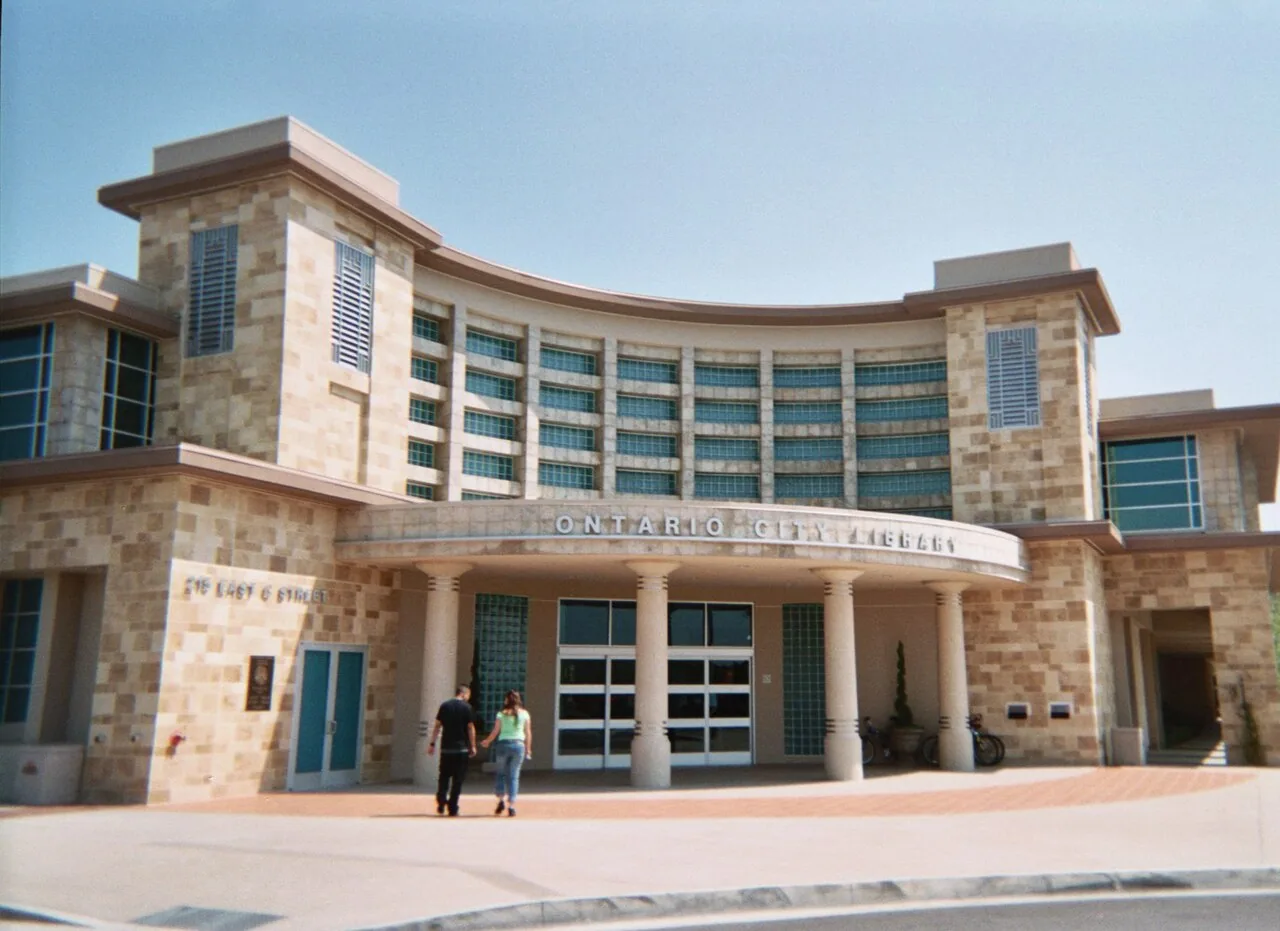
Transit connections support movement through Montclair, while Interstate 10 passes through its northern area. For a specific roof job, the site contact confirms the nearest legal loading zone, security check-in, and vehicle limits. We also determine whether materials can be lifted from the drive or need to be carried through an interior route. That answer affects crew time and how much membrane can be opened in one work stage.
Interior protection depends on what sits below the puncture or replacement zone. We check whether the area is occupied, stores goods, or contains sensitive equipment, then agree on covers or temporary relocation. A clear daily limit allows crews to remove and rebuild a manageable section before weather protection is needed. If the concealed substrate changes the quantity, we document it and obtain approval before continuing beyond the planned edge.
When water enters during active operations, locate the roof area and occupied space below, then separate stabilization from permanent repair. We establish safe access, limit water entry with temporary measures where suitable, and make a record of the condition. Permanent patching may require dry conditions and a clean receiving surface, so the response report should identify what remains for a scheduled visit.
A roof condition report can track puncture locations, recurring leaks, previous repairs, and recommended work across a portfolio. That record helps a property team distinguish damage from ordinary wear and decide whether several repairs should be grouped. A multi-site roof program can coordinate visit timing while keeping each site's assembly and measured quantity separate.

Cost changes with membrane type, patch dimensions, preparation, wet insulation, edge flashing, and access. A small puncture may need little material but require substantial travel or setup to reach safely. A wider replacement can add removal and disposal but may resolve multiple defects in one mobilization. We list the scope by activity and material so the owner can compare a local patch with a broader repair on the same assumptions.
For a patch allowance, identify the number or maximum area of defects, preparation method, seam or flashing detail, and interior safeguards. For replacement, show removal depth, insulation or deck work, new sheet area, drainage transitions, and daily closeout. If the roof has concealed damage, state the confirmation step and how added quantities are approved. A written boundary makes the decision usable before the crew is on the roof.
Owners comparing nearby properties can review a Upland roof assessment or Loma Linda roof project alongside the Montclair findings. The roof system, surface condition, and access plan are inspected independently at each location. Shared scheduling might reduce repeat setup, but it does not make patch dimensions or materials interchangeable.
For a Montclair inspection, provide the reported puncture or leak area, roof system if known, interior effects, and any transit or shopping-hour constraints on entry and staging. We can check the surface and nearby seams, then recommend a defined patch, test opening, or replacement section. The proposal can state what the crew needs from the site contact before material delivery.

A compatible membrane repair needs a prepared receiving surface and a sealed perimeter. We identify the system first, since a material that does not bond correctly can leave the opening vulnerable.
It should reach stable material with room for a sound tie-in. We inspect nearby seams and substrate condition before marking the repair perimeter.
Yes, with a planned staging point, overhead protection, and clear routes coordinated with the site contact. The sequence may use smaller areas to keep access manageable.
A section can be more practical when defects cluster, the membrane is failing around seams, or moisture reaches connected insulation. We compare the repair boundary and removal quantities before recommending either scope.