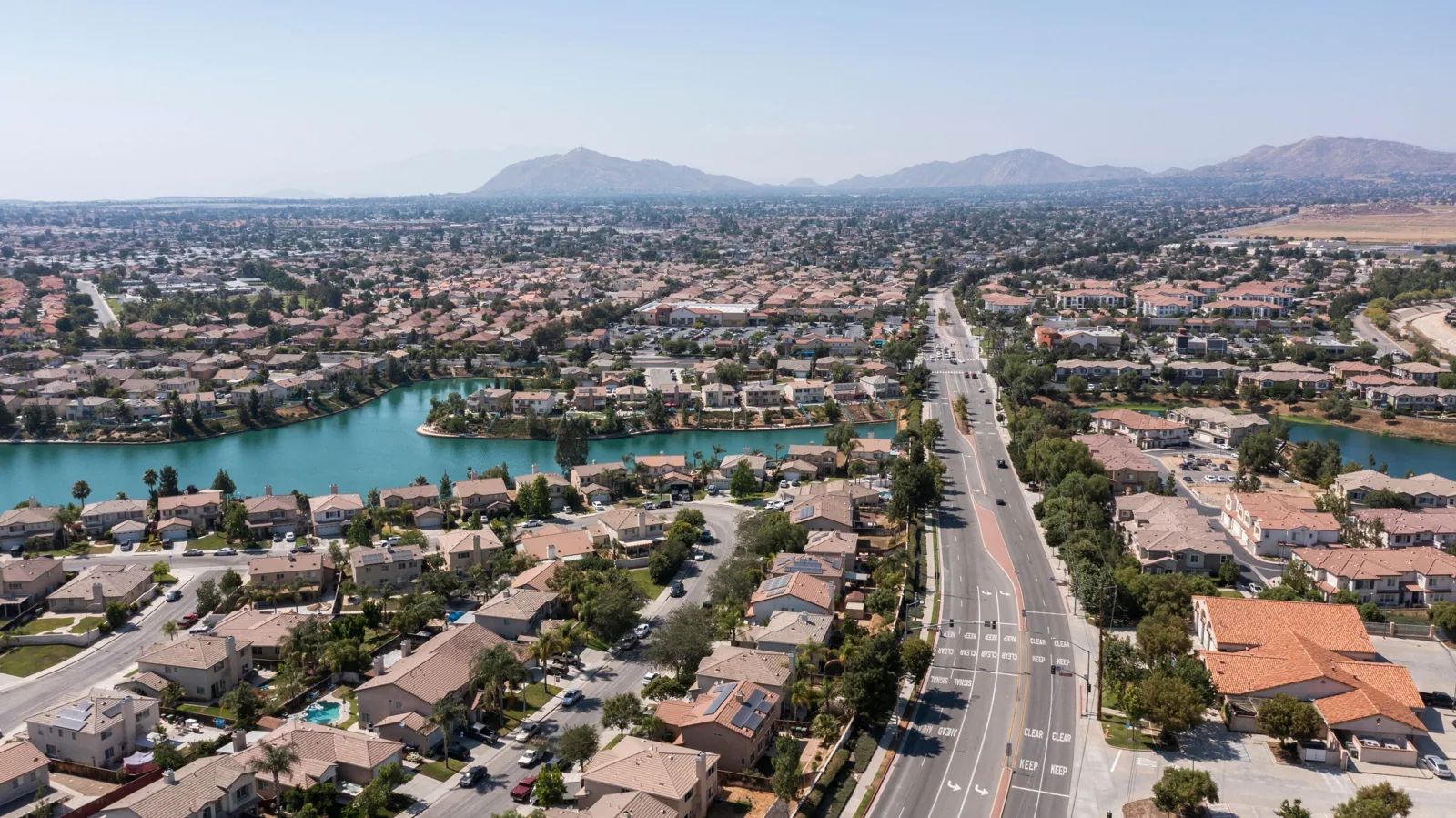
Plan Yucaipa commercial roof maintenance and repair around moisture findings, insulation condition, site access, and the seasonal work window.
A soft spot under a roof membrane can indicate compressed insulation, trapped water, or damage to the deck. The surface may still look closed, but foot pressure or a shallow depression changes how the area should be inspected. We assess commercial roofs in Yucaipa, CA, identify what the assembly can retain, and define whether a test opening or replacement section is needed before the roof is closed again.
Crafton Hills College is located in Yucaipa and provides college education and employee training. Yucaipa-Calimesa Joint Unified School District serves Yucaipa, including Yucaipa High School and elementary and middle schools. Yucaipa has a Mediterranean climate, and the city's elevation is approximately 2,630 feet. These local conditions make building schedules and seasonal access worth confirming before maintenance or repair is planned.
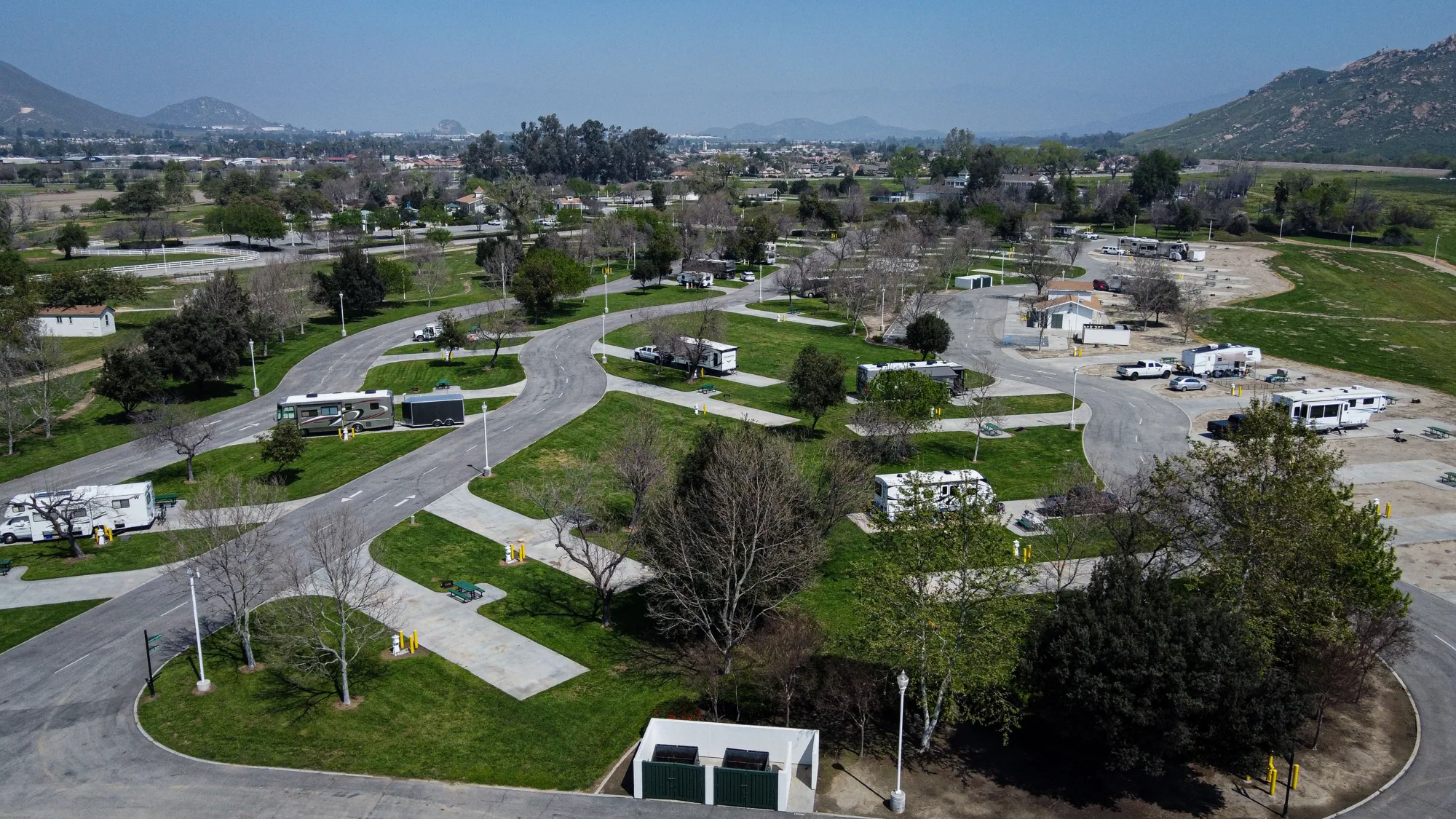
We mark the soft or depressed area, then inspect seams, drains, penetrations, and nearby repair patches. A compressed cover board can affect membrane support, while wet insulation may extend beyond the surface that flexes underfoot. We review the path of water and the reported interior marks, then decide whether non-invasive readings or a small opening can clarify the material condition. The opening is sized to answer a specific question and includes a plan to restore the roof.
A moisture survey can help identify areas for physical confirmation when roof conditions support that method. A roof insulation assessment considers the cover board and insulation beneath the membrane. During a commercial roof inspection, we document what appears dry, what feels unstable, and where more access is needed. That record supports a repair allowance with a defined boundary.
We identify the installed roof system before specifying how the surface will be prepared and closed. A TPO roof repair needs a compatible membrane tie-in, while other systems use different seams or adhesives. A patch placed over a soft substrate can separate again if the material below continues to move. The repair scope should state whether insulation or cover board will be removed and how new material will support the replacement sheet.
Seasonal planning matters when a roof opening needs to remain dry during preparation. The Yucaipa climate is described as Mediterranean, and we schedule inspection or repair with the actual forecast and material requirements in view. We do not assume a work window from the place alone. The building contact helps confirm access, occupancy, and any dates that conflict with school or training activity.
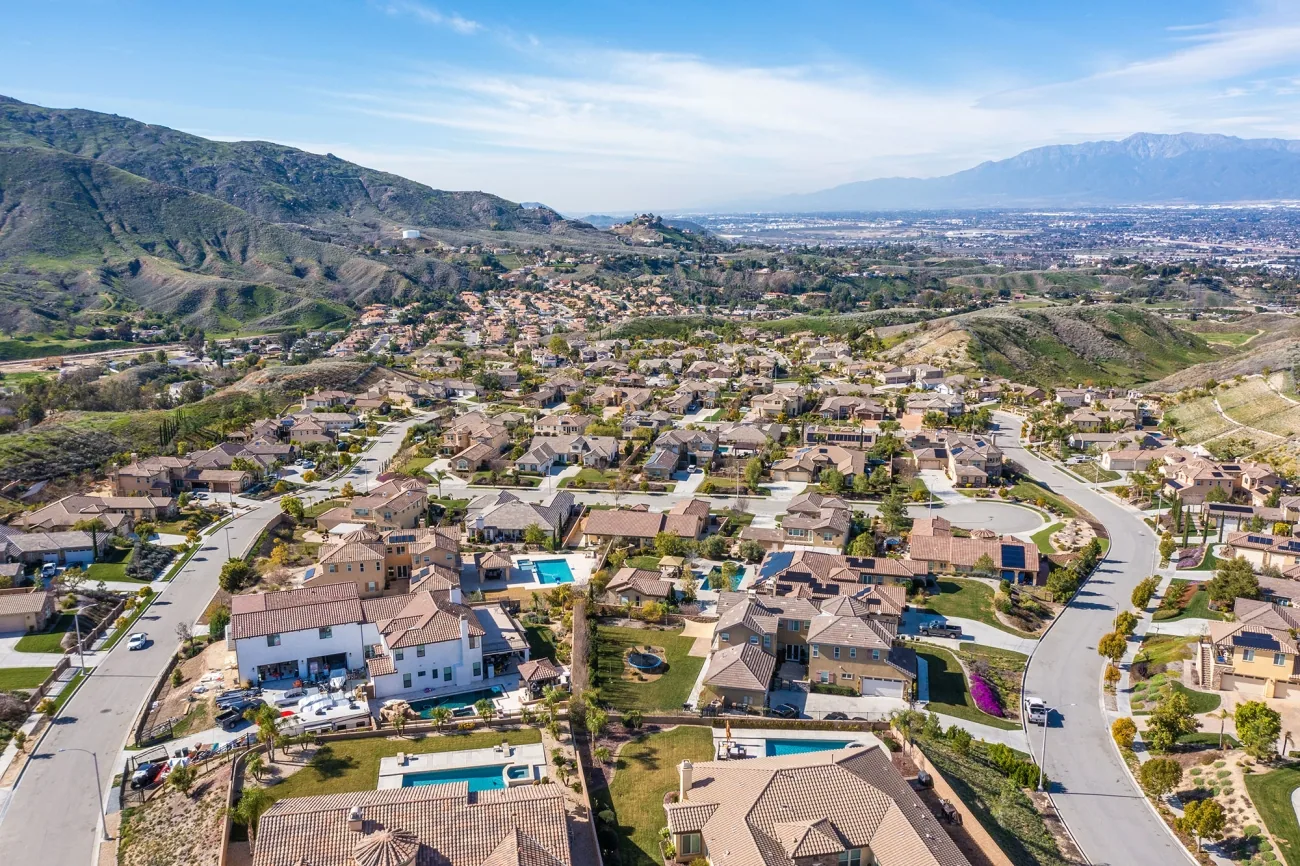
A localized replacement can work when soft material is isolated and adjacent insulation remains dry, attached, and firm. We cut back to a boundary that supports a new sheet, replace damaged layers, and rebuild the seam. The scope should identify square footage, depth, membrane type, and any deck work found through inspection. If the affected area continues under a curb or wall, the boundary must include that transition.
When soft areas appear in several locations, a broader section may reduce repeated patches and show a more complete picture of retained layers. We compare removal quantities with repair access, interior protection, disposal, and the new connection at edges and drains. Recovery may retain existing layers, but a soft base is not a suitable receiving surface. We check moisture, attachment, and roof height before including an overlay.
Preventive maintenance can find loose flashing or drainage problems before they contribute to a larger wet area. A commercial roof maintenance plan can record drain clearing, seam checks, and repairs completed after each visit. Where an occupied education building is involved, a school roof scope or college roof schedule can be timed around access and room use. We confirm the actual building and schedule rather than assume every facility follows the same calendar.
When wet insulation is confirmed, leaving it beneath a new cover can preserve a soft spot and reduce support at the membrane. We identify what can remain and where removal is needed. If the deck condition is not clear, the proposal can include an approved inspection opening. The owner can then decide whether to extend the replacement section based on the material revealed rather than an assumed wet boundary.
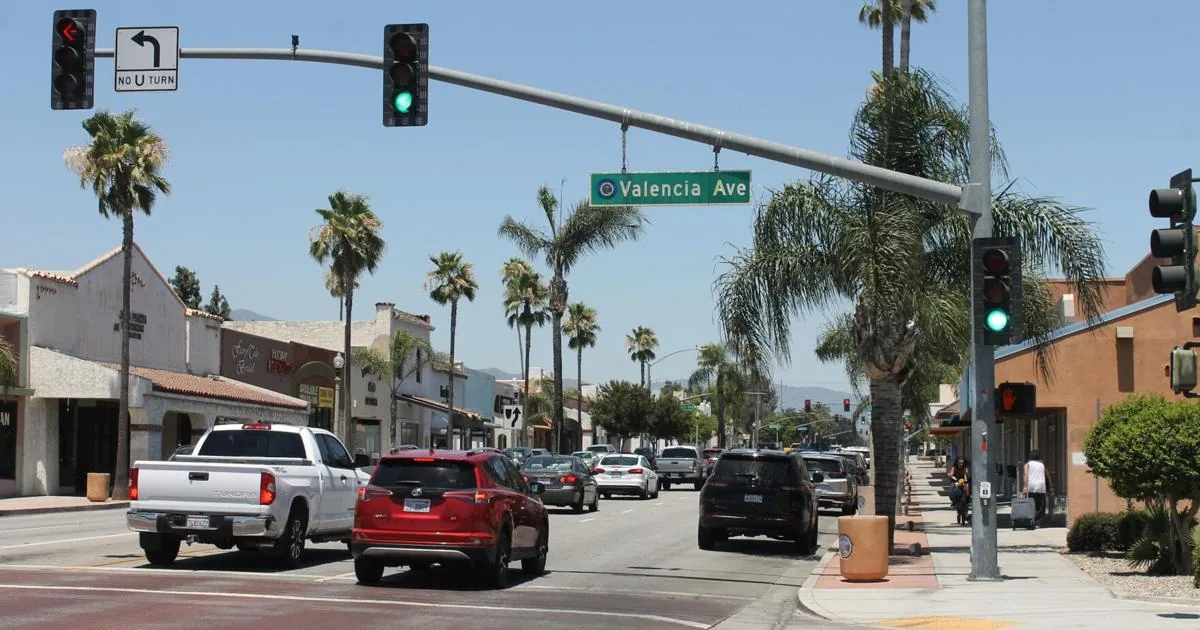
We confirm who can release the roof, where a lift or material delivery can stage, and whether an escort or key is needed. If a building serves students, employees, or visitors, the site contact identifies entrance routes and the hours when work is least disruptive. Interior protection follows the location of the planned opening. Covering equipment or moving stored materials before roof removal can reduce exposure below the repair.
A test opening should be small enough to control and large enough to reveal the layer in question. The crew documents insulation, cover board, and deck before closing the roof. If additional wet material is found, work stops at a weather-safe line while the owner reviews the revised work area. We do not continue removal without confirming the added quantity and protection plan.
When water reaches an occupied area, coordinate a safe roof route and interior protection before opening the assembly. For active water entry, we first establish safe access and use temporary protection where it can limit exposure. The report identifies what remains wet or unconfirmed and what permanent work should follow. A temporary measure is not a substitute for replacing unstable insulation or restoring the membrane after the roof has been opened.
A roof condition report can track soft spots, test locations, prior repairs, and recommended work by roof area. An owner can compare that record with a Highland roof assessment or a Beaumont building review while keeping the measurements separate. This supports budget decisions without treating adjacent communities as one roof project.
Estimate drivers include the size of each soft area, insulation depth, cover-board type, deck condition, membrane preparation, and how far the repair must extend at a curb or edge. Access, staging, interior protection, and disposal can add time. We identify the expected removal and replacement quantity so a small surface patch can be compared with a repair that restores support below it.
For conditions that cannot be confirmed without opening the roof, state the diagnostic step, its restoration, and how additional material will be priced. An allowance can set a limit for wet insulation or deck repair while requiring approval before work expands. The owner should see which layers the base bid retains and what would trigger a changed boundary.
Yucaipa's Mediterranean climate and elevation are local context, not a substitute for a roof inspection. We schedule work based on the roof surface, material instructions, and actual conditions at the time of repair. For portfolio planning, a roof capital plan can place confirmed repairs against future replacement needs. It should distinguish soft areas already inspected from locations that still need testing.
For a Yucaipa roof review, share the soft or depressed area, reported leak, roof system if known, interior impact, and access requirements. We can identify whether the assembly can be retained or needs an opening and replacement. The written scope can compare a focused correction with a larger section and state the evidence needed to set any final quantity.
No. Compression, deck movement, or another concealed condition may also affect the surface. We inspect the area and use a focused opening when needed to identify what must be removed.
A patch needs a stable surface to hold its tie-in. If insulation or cover board has lost support, we define the material to replace before installing new membrane.
The proposal can price the opening and restoration separately, with an allowance for added material if moisture extends below it. Owner approval sets the limit before removal expands.
Work can be sequenced around occupied areas when access, protection, and daily closeout are coordinated with the facility contact.