Assess aircraft hangar roofing in Jurupa Valley with damaged panel ends, usable retained metal and complete weather connections above hangar openings.
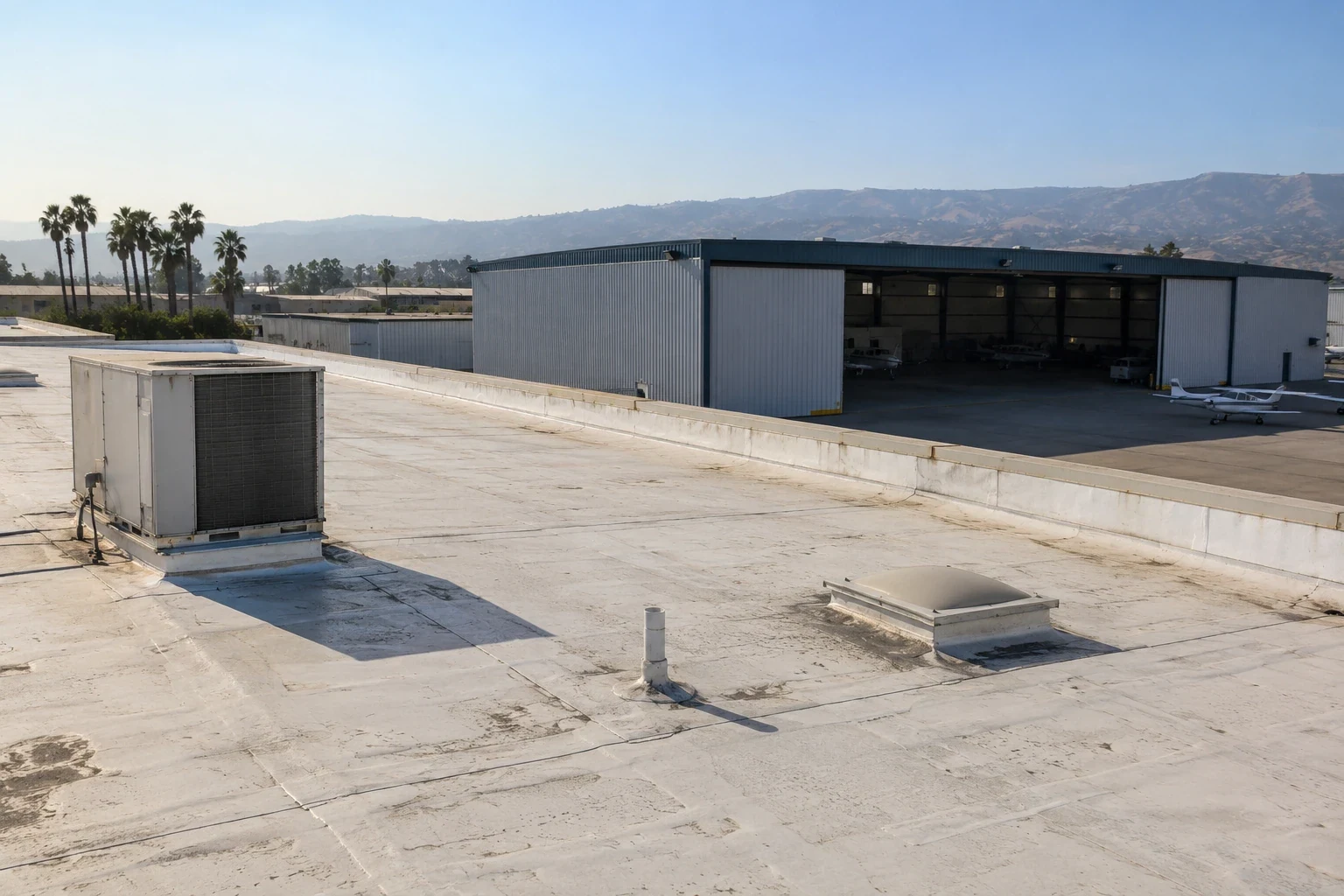
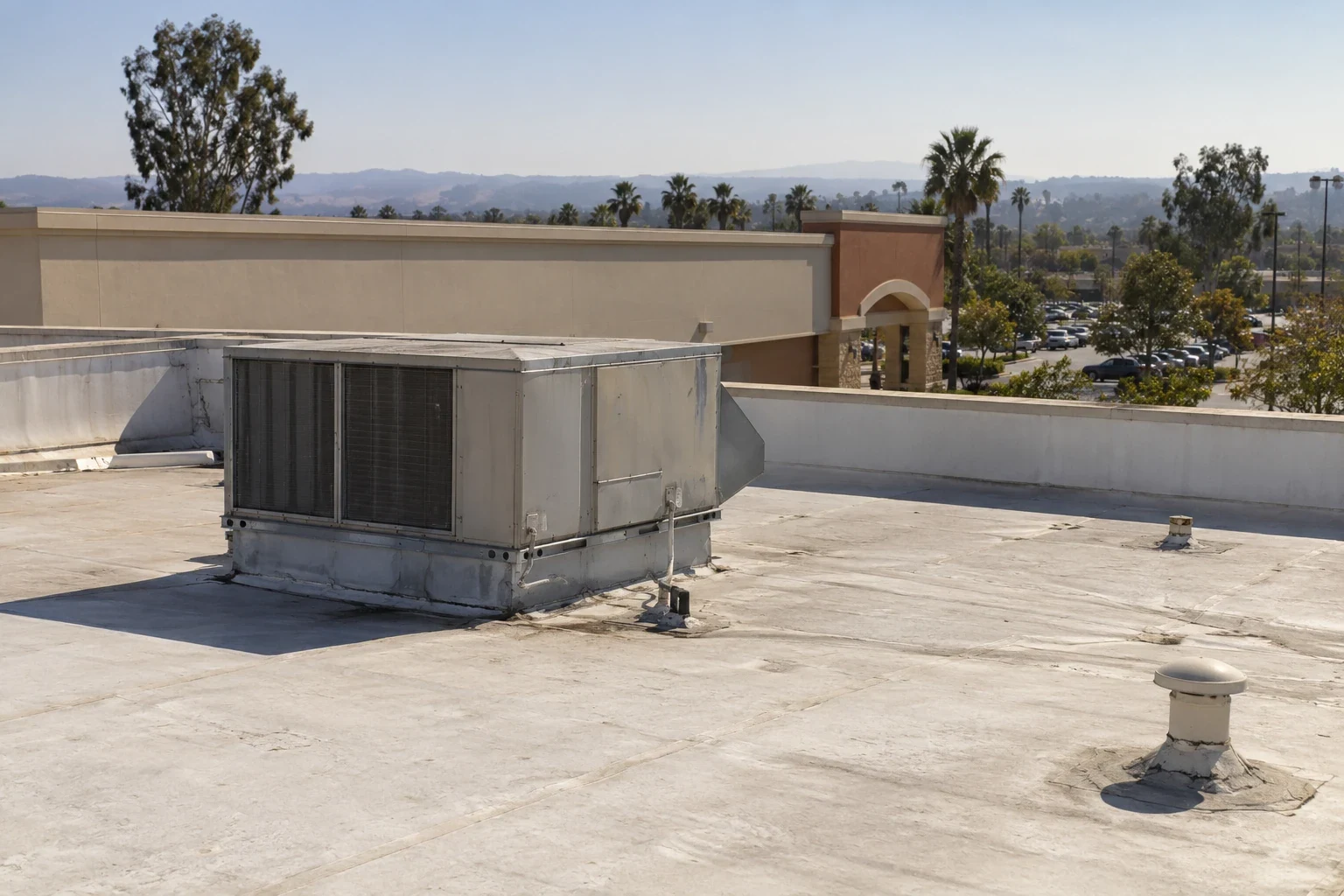
Damaged roof panel ends above a hangar opening can defeat a narrow closure repair if the replacement still meets corroded metal. The affected sheet section may need removal back to a usable connection, while sound roofing farther upslope remains. We assess aircraft hangar roofing in Jurupa Valley, CA to identify that boundary. The contractor gets the panel correction and complete opening detail compared together, including receiving support and handling required above the operating space.
Ontario International Airport supports freight activity associated with FedEx and UPS. March Air Reserve Base also has a KC-46 hangar project that broke ground in December 2025, with two planned bays separating aircraft maintenance from fuel maintenance. We assess the proposed aviation building and operating release directly. Existing roof repair and proposed construction need their own assemblies identified so the scope reaches the actual weather connection above the opening.
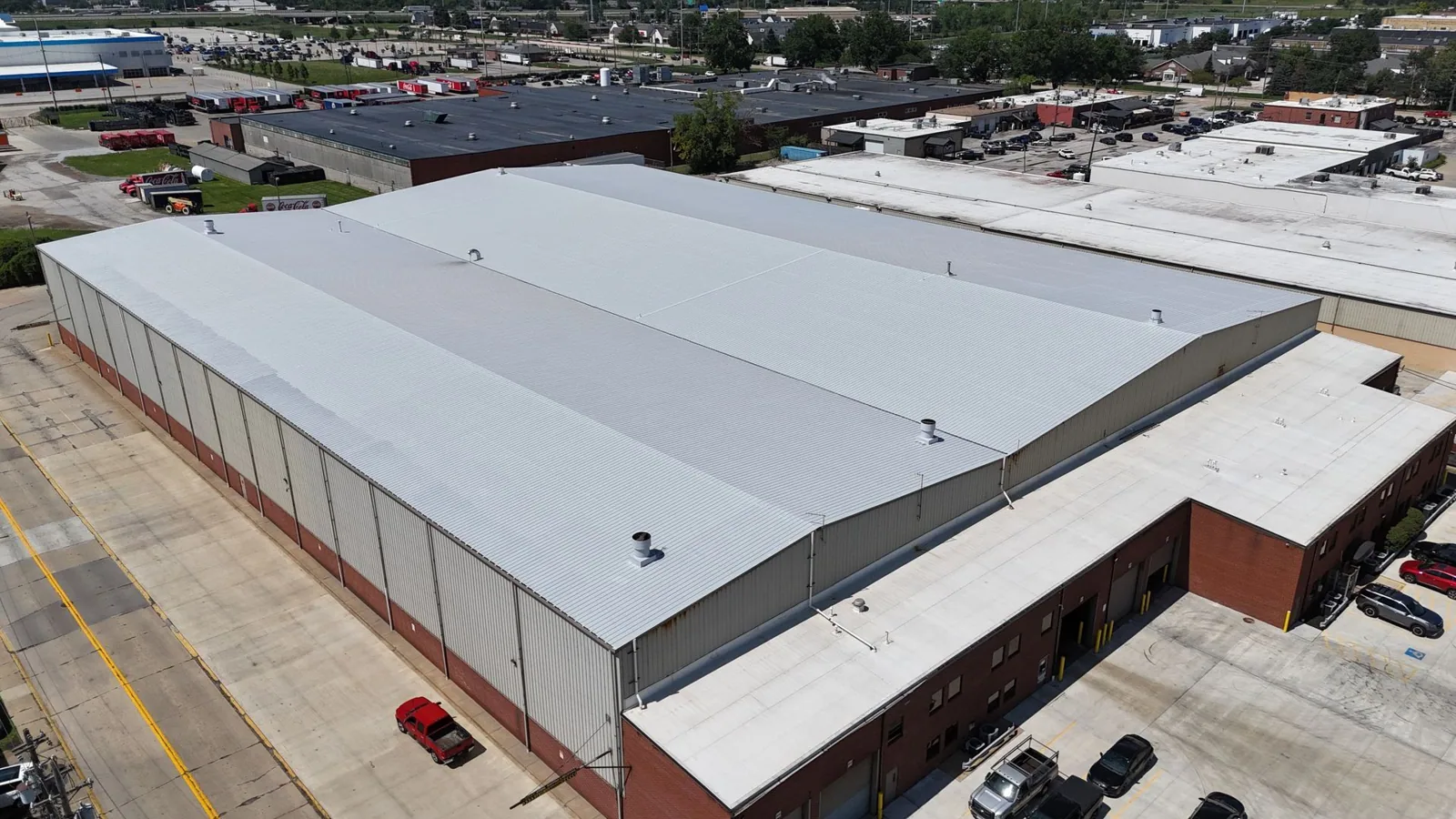
Corrosion, distortion or unsuitable previous holes can prevent an end detail from connecting to the existing sheet. We inspect the affected edge and identify whether it remains usable after old components are removed. A new closure fitted against damaged metal can leave the roof defect in place. The investigation must establish where the replacement can make its intended connection, not simply measure the visible cover.
The standing-seam panel's end connection has attachment and movement requirements that affect repair. We identify the installed arrangement before choosing parts. Local removal may require release at adjoining seams or supporting points. That work changes the handling allowance, especially where the panel cannot be cut or extended without a system-appropriate connection to the retained roof.
We assess accessible support and material below the failed edge. Water entering there may affect insulation or receiving construction beyond the metal surface. Investigation identifies the correction needed before a replacement detail is installed. Questions about structural capacity or displacement require the responsible design professional's evaluation, keeping the roofing repair tied to suitable support rather than concealing unresolved movement.
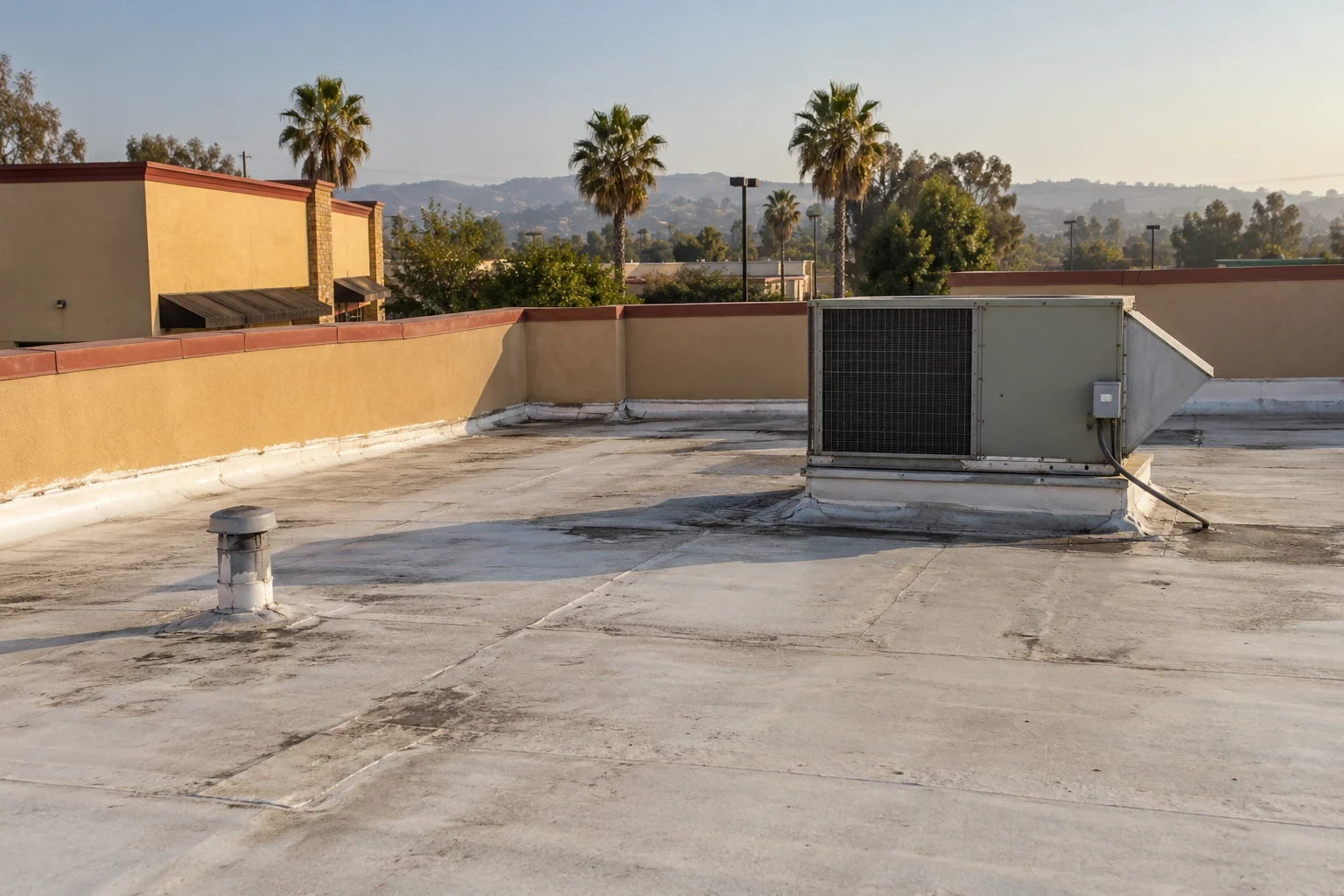
The replacement needs the correct profile and a workable joining location. We establish how far removal extends and whether suitable material can remain above it. Matching the exposed shape alone is insufficient where the installed roof requires specific attachment, seam or movement details. Components should be selected against that construction so the contractor can build the connection rather than improvise at the opened edge.
Access above the hangar opening affects how long pieces can be lifted, supported and installed. We assess the work position and material handling with the proposed operator. The allowance includes protection against damage to retained metal during release. A small damaged zone can require handling a larger sheet section, which should be identified before comparing repair quantities with wider renewal.
The receiving edge metal and discharge detail must also suit the repaired panel ends. We establish how water leaves the section and whether existing metal can remain. Changed roof heights or a replacement edge should not divert discharge into an opening or leave a trapped pocket. Its connection is included wherever necessary to complete the panel correction.
Opening protection must address equipment, aircraft and work areas beneath the affected section. We identify the roof exposure with the responsible operator and coordinate the available release. Debris control and weather closure apply to the actual removal, including any additional sheet length needed to reach a usable joint. An apparently narrow eave repair should not be scheduled as though only a small exposed strip will be disturbed.
A maintenance or fabrication area below roofing can include equipment requiring separate operator arrangements. We establish the roof-side stage so that protection and releases can be coordinated before removal. Roofing methods and application processes need assessment against the actual activity. Changes to accommodate operations must still meet the selected material's preparation and installation requirements.
An adjoining parts-storage area may sit under the same panel run. We relate the proposed repair boundary to that space rather than stop the investigation at an interior dividing wall. Stored materials and circulation need agreement with the operator. Each roofing segment should have a complete closure that suits the assembly, allowing work to move forward without leaving an unsuitable temporary interface.
Sound sheet surface farther upslope can support retention if its seams and receiving construction remain suitable. We assess whether the proposed connection can accommodate the panel movement and water path. The smallest visible cut is not necessarily the smallest complete repair. A longer replacement section can reach a better supported joint while avoiding unnecessary removal of the wider field.
Selective replacement of damaged metal sections identifies the sheets or parts to be removed and the adjoining work needed for reconnection. The contractor can compare that operation with a broader roof section. We explain the retained materials each option uses so the owner understands whether added removal corrects more damage or simply changes otherwise usable roofing.
Wet layers below apparently suitable panels introduce a different removal requirement. We identify those affected materials and how they can be accessed. Keeping metal over unsuitable insulation or support can leave damage concealed by an improved finish. The repair boundary therefore accounts for underlying construction as well as the exposed sheet, with suitable dry neighboring layers retained where practical.
Multiple deteriorated sheet ends or unsuitable receiving details may prevent an effective local correction. We establish whether the problem extends along the opening or into adjoining roof sections. Wider renewal includes the affected panel runs, support correction and complete edge assembly. The added scope should identify those tasks individually rather than treat the hangar's entire roof as one undifferentiated damaged surface.
At military facilities, the proposed installation roofing stage requires coordination with the responsible authority. Access procedures and mission operations affect when handling and removal are possible. The roof detail still needs the applicable construction requirements established before materials are selected. We do not substitute a general commercial arrangement for the actual project's required assembly or installation controls.
For aviation work in Ontario, I-10 and SR-60 run east-west, with I-15 along the city's eastern side. Regional delivery routes lead to a property-specific receiving plan. We establish the final handling arrangement for replacement sheets and removed materials with the operator. The stage should have enough usable space for the selected metal lengths and required equipment.
The allowance separates panel replacement, receiving support and closure components from access and operating protection. We identify what concealed investigation needs to resolve before permanent work is selected. The owner can compare a retained field with wider renewal using the physical section each option reconstructs. Material handling and temporary weather arrangements remain attached to that section rather than detached administrative extras.
After reconstruction, the panel ends and edge connections need accessible inspection. We identify suitable positions for checking separation, loose components or damage from later servicing. New defects are assessed through their affected material. Preserving suitable roofing remains a practical choice when the repaired weather connection can be maintained without concealing deteriorated metal beneath repeated surface treatments.
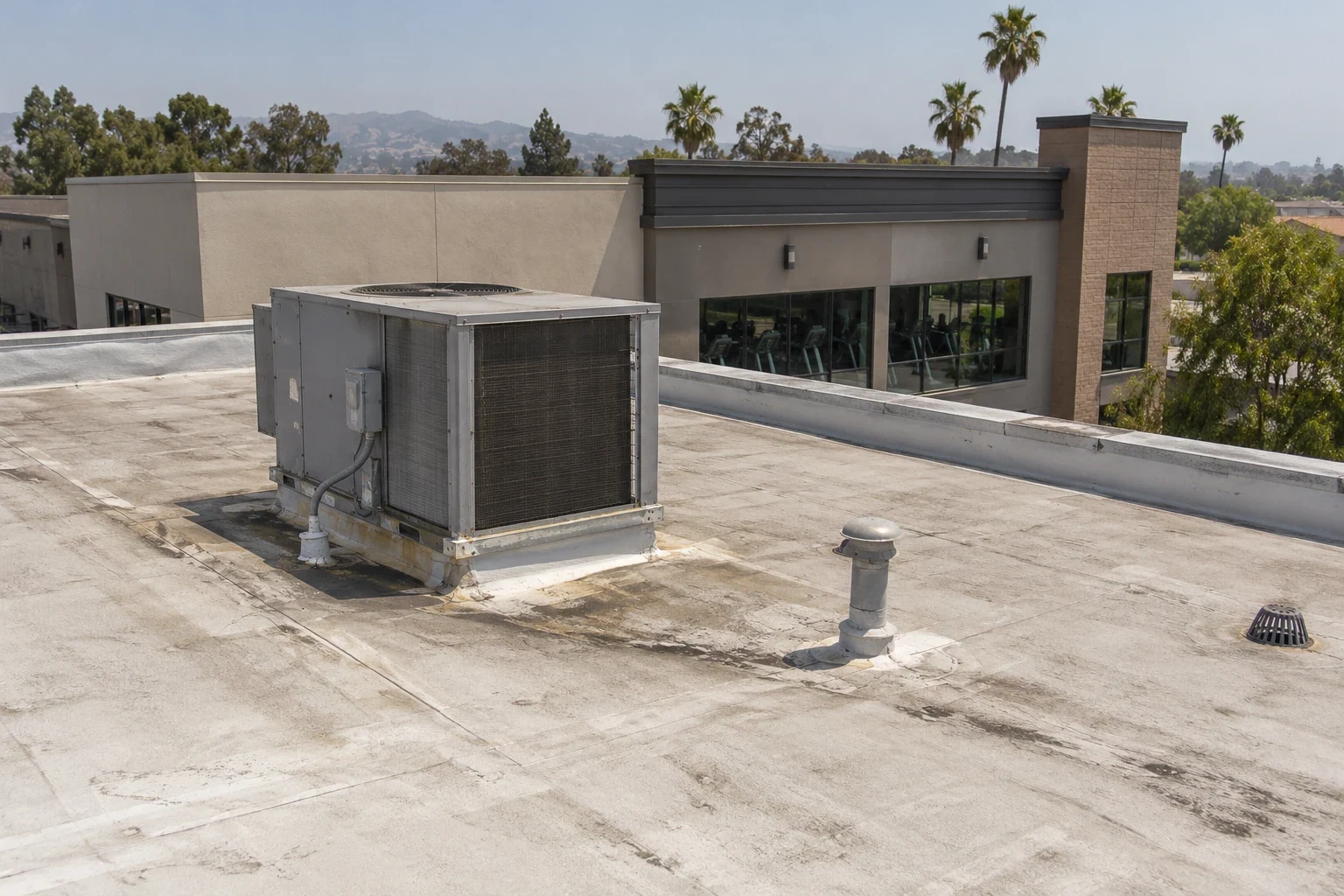
Usable upper sections can remain if the new metal can connect through a suitable joint and support arrangement. We establish those requirements before choosing the cut line. A longer replacement section may be necessary to reach a complete connection.
The roof system's seam and attachment arrangement can place the usable joining point beyond the visible damage. We identify how the sheet must be released and supported. Handling that section belongs in the repair scope even where the rest of the field remains.
The operator coordinates aircraft, equipment and work releases against the identified roof exposure. We establish removal lengths, debris control and suitable weather closure. The protection stage must include supporting corrections revealed during the opening.
Repeated deterioration, unsuitable adjoining connections or affected concealed layers can make local work incomplete. We identify that damage and the reconstruction required. Wider removal should solve those physical defects rather than replace unrelated suitable sections.