Assess big-box retail roof repairs in Jurupa Valley with damaged tapered insulation, restored runoff paths and replacement stages above operating stores.
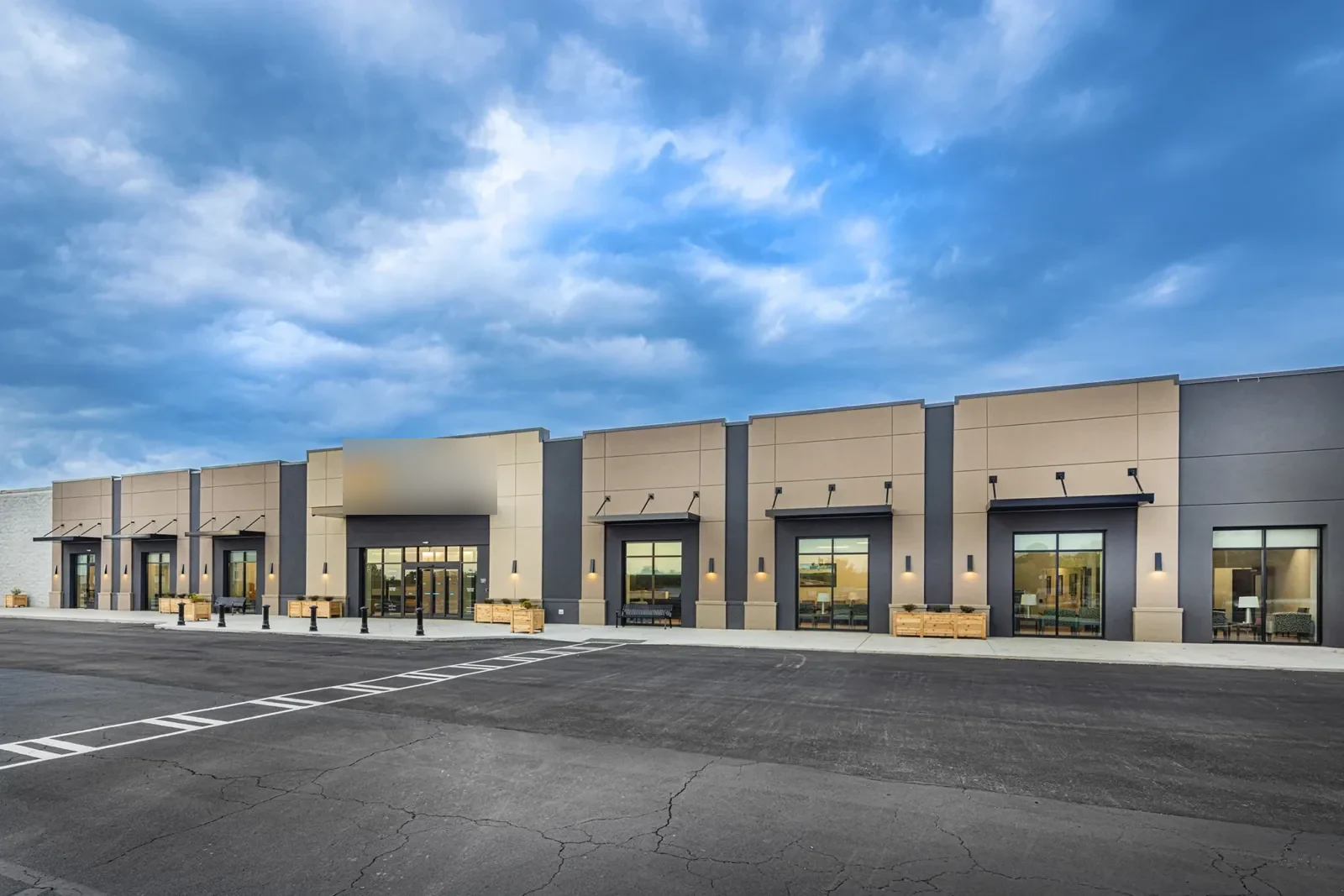
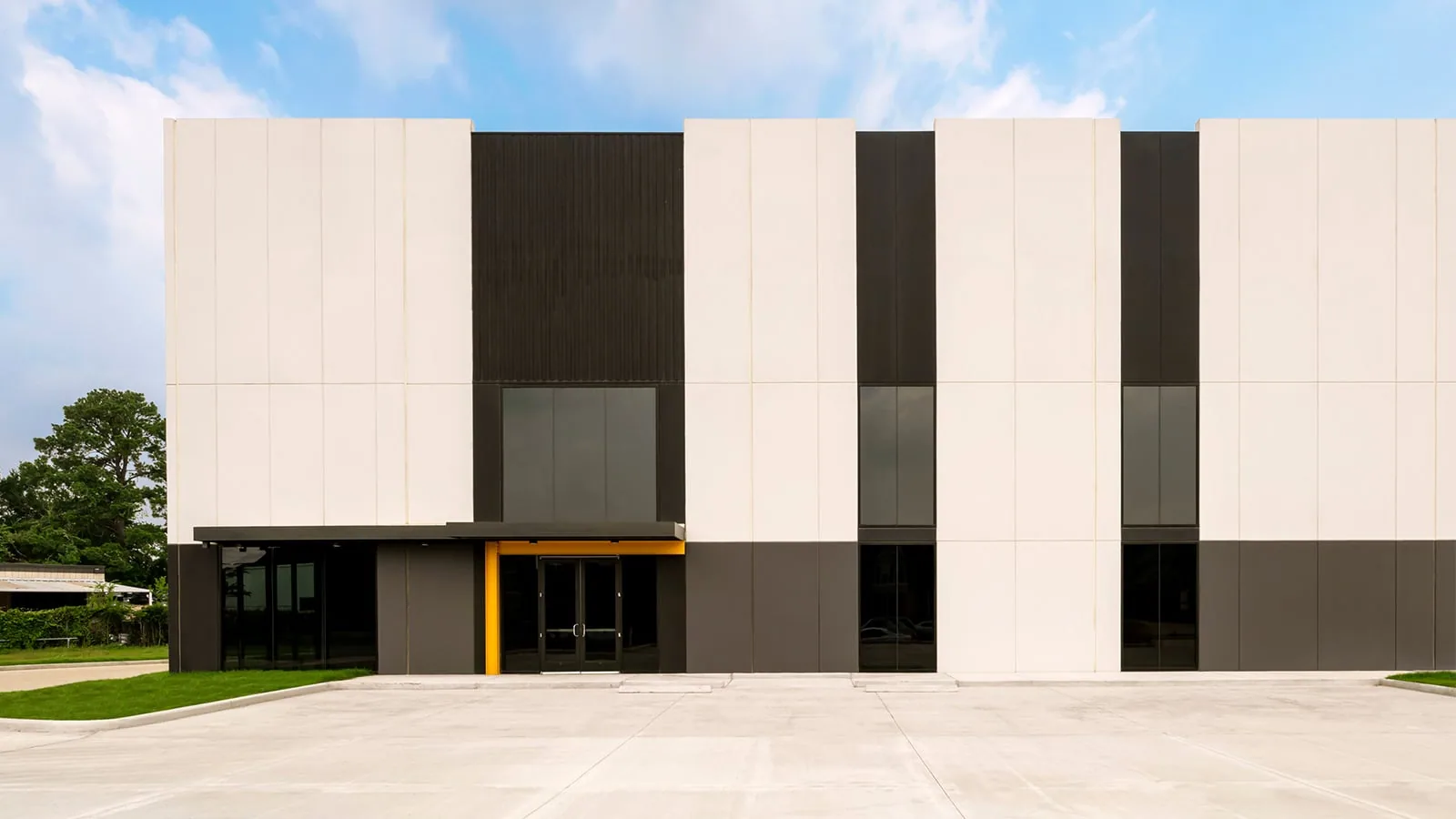
Crushed tapered insulation can leave a retail roof depression even where its drain still accepts water. Rebuilding that supporting contour is a different scope from replacing the outlet or coating the field. We assess big-box retail roofing in Jurupa Valley, CA to distinguish those corrections. The contractor gets the affected layers and finished drainage arrangement identified before choosing localized reconstruction or a wider replacement above the store.
Target and Amazon Fresh were among Upland's employers in 2025, while Costco appeared in Chino Hills' 2020 employer group. Retail roof work needs assessment of the particular sales, stock and equipment spaces beneath the proposed section. We coordinate those actual operating uses with the physical roof findings. The repair allowance identifies material that can remain and the damaged support that needs reconstruction, with protection tied to the area opened rather than the store's general label.
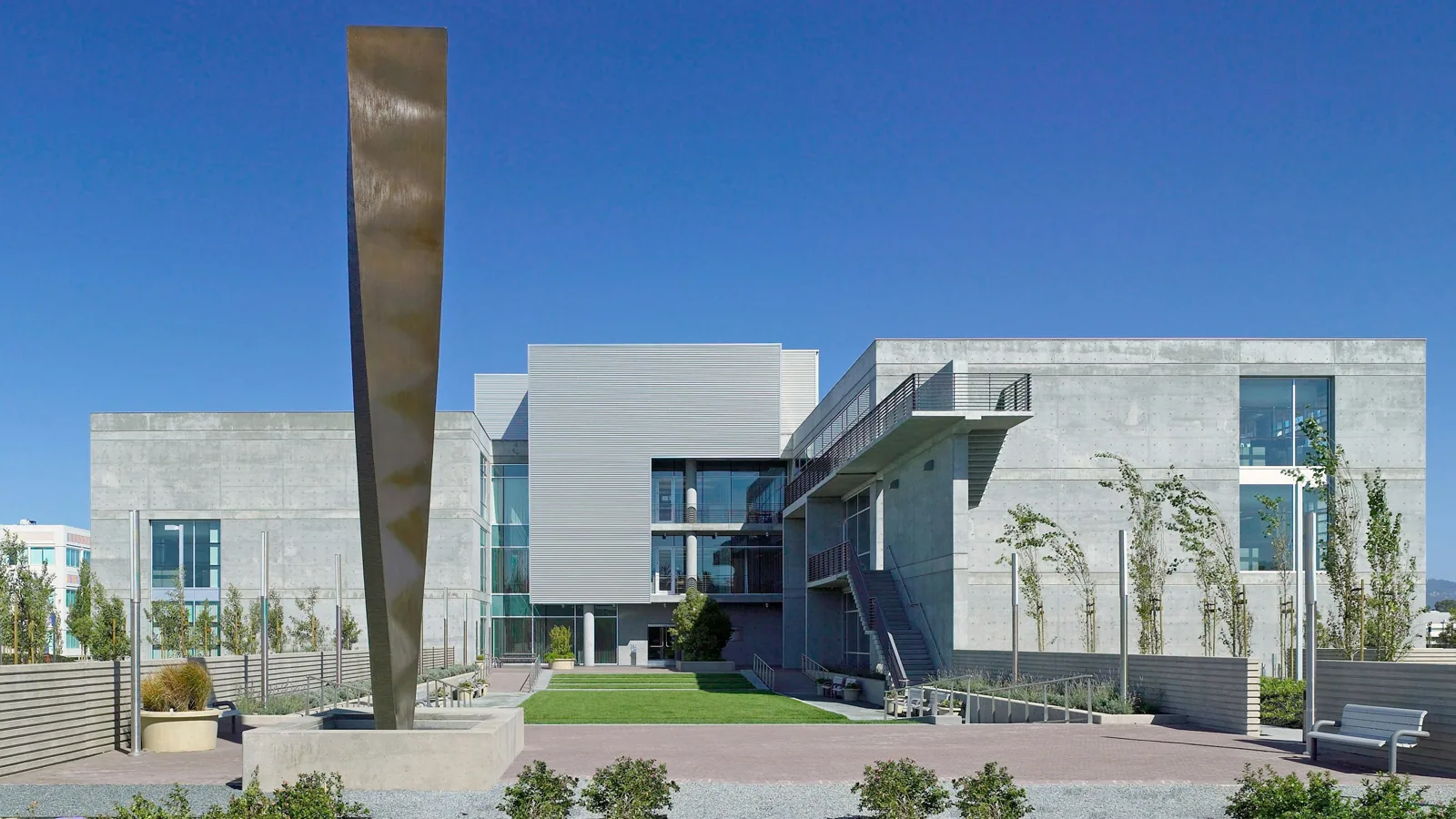
Low roof areas can involve crushed insulation, wet layers, receiving-deck geometry or another condition. We examine the surface and identify investigation needed beneath it. The correction should follow the actual mechanism. Adding finish material cannot restore compressed board, and replacing a drain does not change a depression that prevents runoff from reaching that outlet.
Assessment of damaged insulation and board layers establishes the material that cannot remain. We distinguish those removals from the new taper or support needed to form the completed roof shape. The contractor should see both quantities and their purpose. A proposal describing only a new membrane section can leave the same unsuitable contour beneath its weather surface.
Suspect moisture needs physical confirmation before retention is recommended. We identify the affected boundary and assess the receiving deck where accessible. Dry adjacent layers may stay when they can support the reconstruction and its tie-in. Structural concerns require appropriate design review. The removal outline should reach suitable construction without treating every inspected field area as damaged solely because it lies near the depression.
Replacement insulation and cover board need an arrangement that meets the retained roof suitably. We establish how the new surface directs water toward an outlet before installation. The detail can extend beyond the smallest damaged board footprint to create a usable transition. The contractor needs that completed geometry in the allowance rather than a narrow square of new support surrounded by the original low area.
Assessment at the receiving drain identifies whether its connection or body also needs correction. Roofing and plumbing tasks are separated where appropriate. The finished field must meet the outlet at a suitable elevation and with the required weather detail. Rebuilding contour without examining the final discharge connection can leave the replacement section unable to drain as intended.
New TPO retail roof construction needs suitable support and compatible seam preparation at the retained field. Other materials require their own connection method. We identify the installed assembly before selecting the repair. The finished section includes the perimeter tie-in and nearby penetration work, because a corrected surface shape still needs complete weather connections around it.
Opening above merchandise creates exposure to debris and water that must be coordinated before removal. We identify the affected space with the operator and establish appropriate protection or relocation. The feasible daily section includes lower-layer work and final connections. It should not expand into an interior area that has not been released merely because the roofing material can be removed quickly.
For food retail areas within the building, the operator may have additional product and equipment requirements. We discuss those actual conditions and coordinate the roof-side exposure. The protection arrangement needs to match the proposed opening and application process. Those tasks are separate from the damaged-layer correction, but both belong in the complete scope the contractor schedules.
A store within a larger retail center may also share access and handling routes with other occupants. We identify the building's actual circulation and the proposed lift or staging location. Removed materials and deliveries should use an agreed route. The roof stage remains tied to complete reconstruction while site arrangements determine when it can be handled without an unplanned conflict at active entrances.
A bounded depression with suitable adjacent construction can support localized removal and rebuilding. Several wet or compressed areas, deteriorated membrane or inadequate receiving connections may make broader replacement practical. We compare those complete options using the findings and the work each needs. The owner should see which condition expands the removal rather than receive a wider roof area without its supporting correction explained.
Reflective material selection can be considered alongside the repair, but it does not resolve the damaged contour. A cool-roof replacement option needs its own assembly and applicable project assessment. We identify the insulation, attachment and drainage work before comparing finishes. The building can then evaluate the replacement choice on complete construction rather than assume a new surface characteristic changes the underlying water path.
Retention also requires assessment of the perimeter and equipment details affected by changed elevations. Added taper can reduce a flashing dimension or alter an access threshold. We identify those interfaces before fixing the repair layout. The proposal includes any reconstruction necessary to join the new section to usable surroundings, so the contour correction does not create another unsuitable connection nearby.
Roof equipment and service routes may cross the depression or block the new tie-in. We identify the handling needed to reach the repair and coordinate it with responsible trades. The operator establishes any system release requirements. The roof-side receiving condition should be settled before equipment is moved or flashing is formed, preventing a later adjustment from disturbing the completed construction.
At a property in Upland, the actual store's operating hours and delivery arrangement determine the available handling window. We coordinate materials for support, membrane and drainage details within that period. Suitable temporary closure is identified if exposed findings change the permanent scope. The contractor can resolve the added work without treating the interim weather measure as a finished contour repair.
Concentrated traffic and equipment contact can damage insulation through the membrane after reconstruction. We identify suitable protection along the actual maintenance paths. It must preserve outlet access and runoff. A pad should not conceal a known failed section or form a new barrier in the corrected drainage route. The retained field needs the same attention where continued servicing creates repeated contact.
The proposal separates damaged-board removal, new contour construction and weather connections from store protection and handling. Those identifiable tasks allow equivalent scopes to be compared. Subsequent inspection should examine the rebuilt low area, outlets and traffic protection for changed conditions. The owner can direct another local repair where needed while retaining construction that remains suitable.
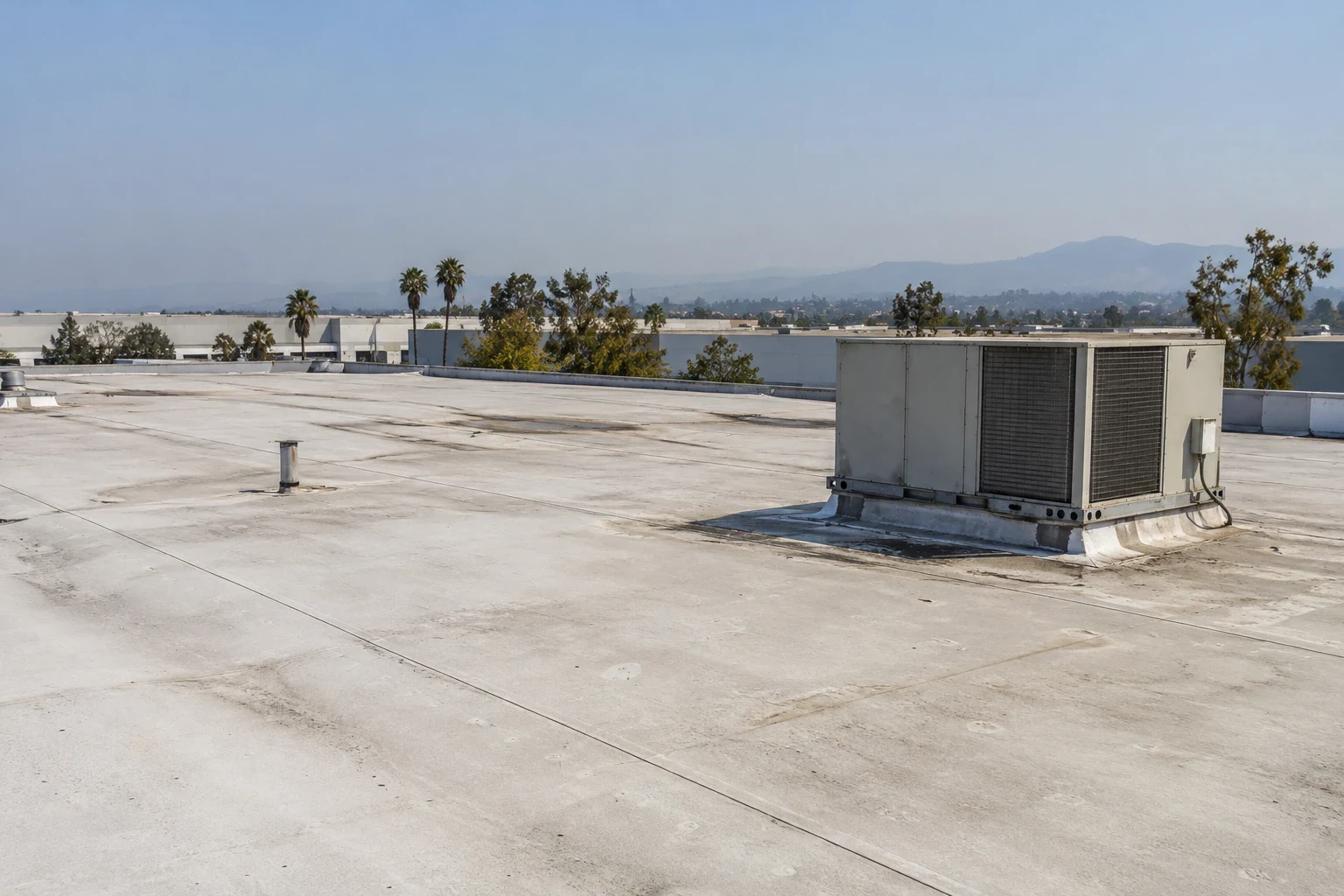
Runoff may still be held by a damaged contour before it reaches the outlet. We assess the supporting layers and discharge path together. The correction follows that finding rather than automatically replacing the drain or adding another field treatment.
The supporting material needs replacement where it cannot carry the repaired section properly. We identify that boundary and the contour required for drainage. The weather connection is formed after the receiving layers have been rebuilt suitably.
The finished section needs to meet the retained surface and direct runoff to a suitable outlet. We assess the transition geometry before selecting quantities. A narrow new support piece can leave a surrounding low area if the completed water path is omitted.
We identify the actual stock or sales area and coordinate protection with the operator. The daily section must permit support reconstruction and final closure within that arrangement. Handling, equipment access and product requirements are settled before removal begins.