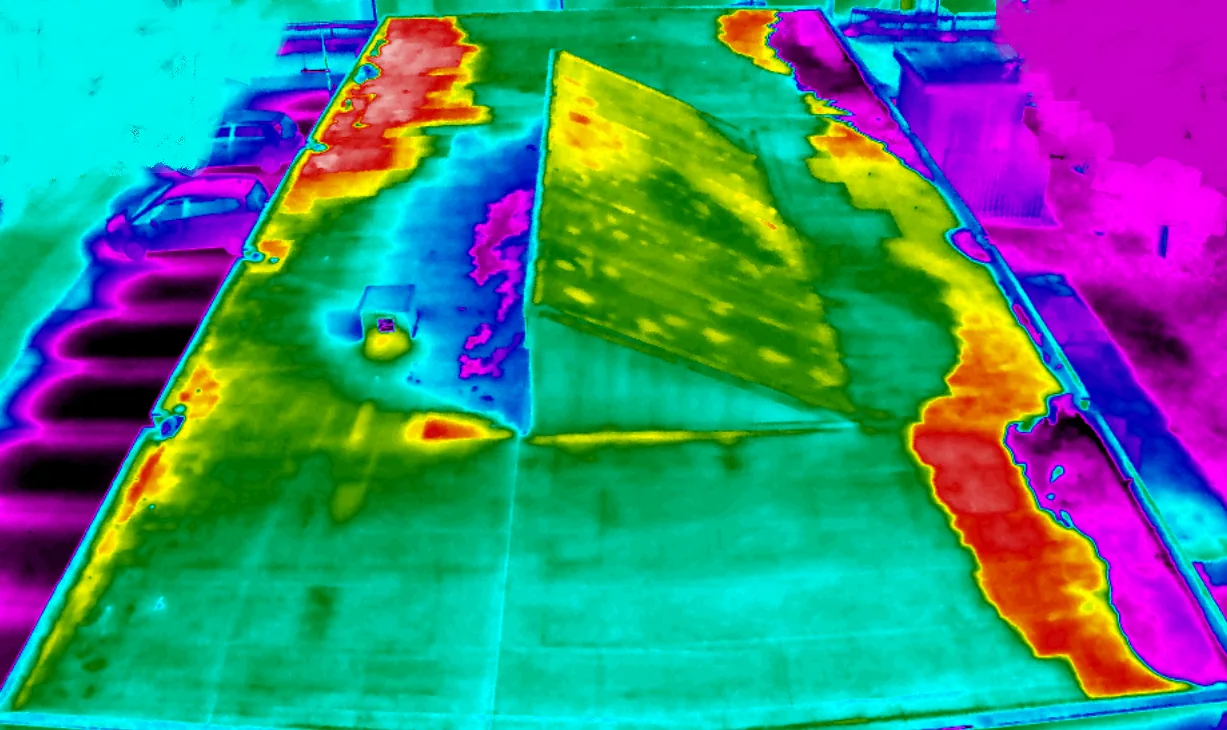
Repair skylight and penetration flashing in Jurupa Valley by restoring curb corners, pipe details and terminations over sound supporting roof construction.
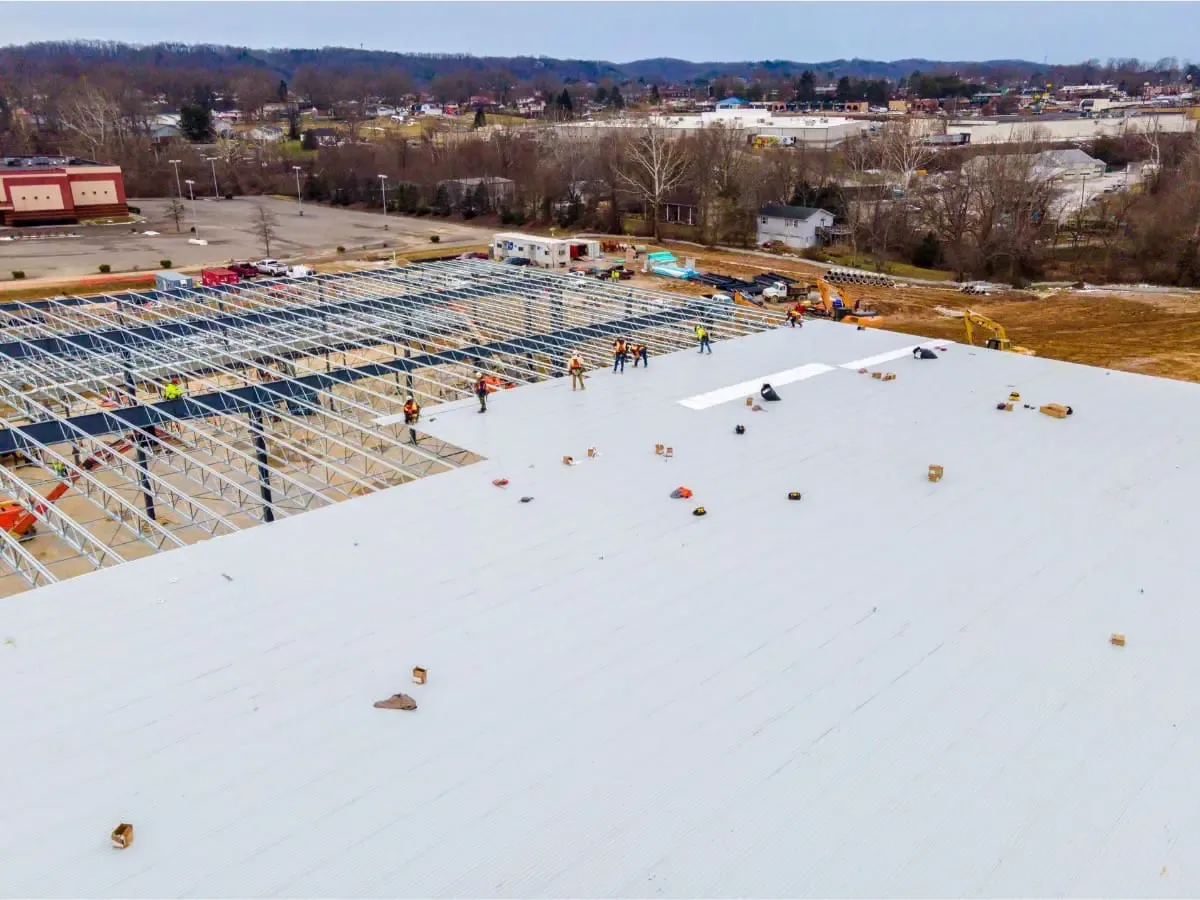
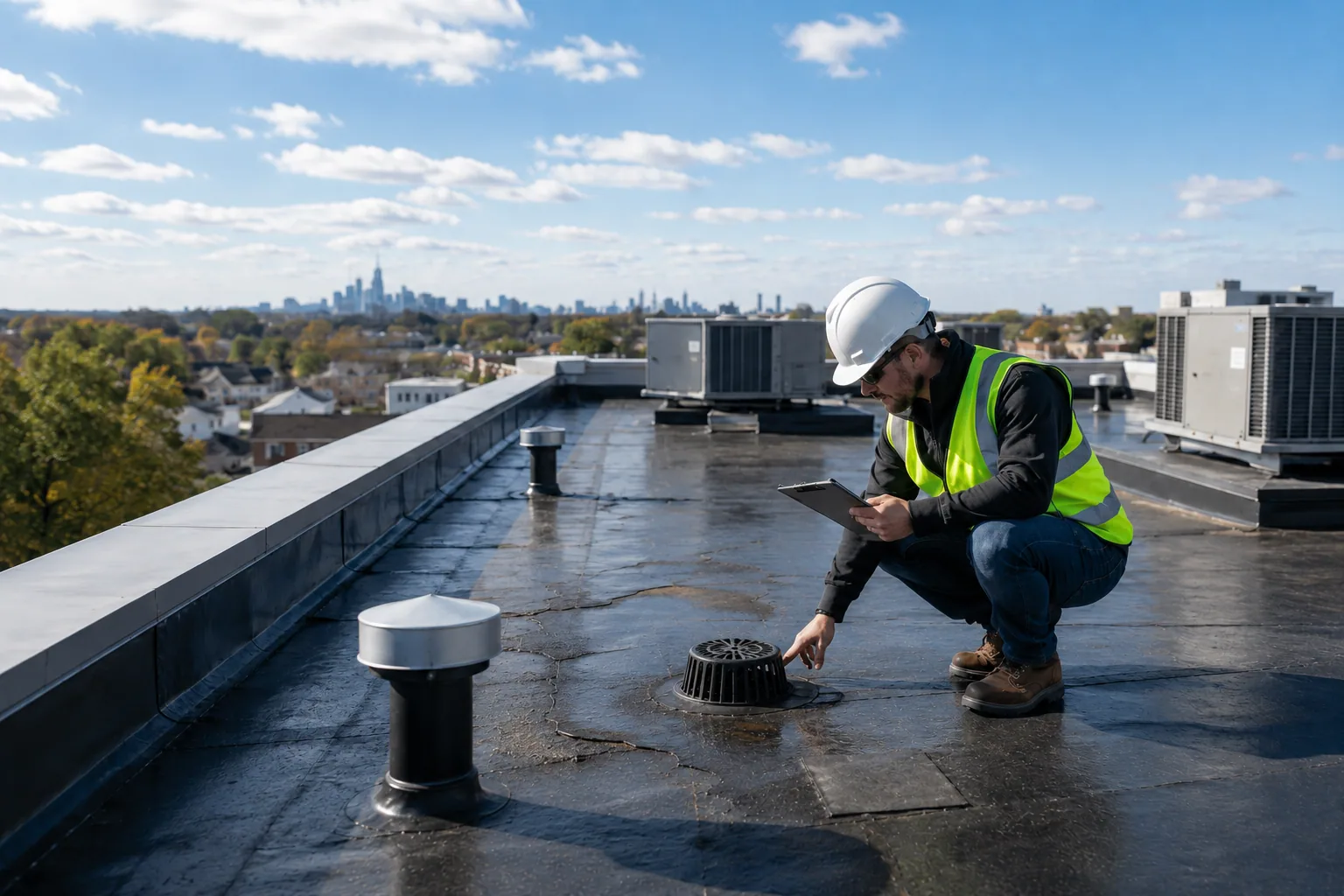
A pipe boot split where it bends onto the roof needs a repair that addresses the flexing connection, not merely the visible crack. The pipe support, receiving sheet and insulation beneath the detail can each change the work boundary. We repair skylight and penetration flashing in Jurupa Valley, CA with those connections assessed together. A general contractor needs to know whether the detail can be rebuilt in place or whether equipment, a curb or wet supporting layers must be removed first.
Jurupa Valley's regional heat can stress exposed compounds and movement-sensitive joints. We inspect their actual condition and identify which materials remain suitable for the new connection. Commercial properties in Mira Loma's industrial community and businesses along Mission Boulevard can require different access windows around rooftop equipment. The repair scope follows the failed detail and building operation, with separate quantities for membrane preparation, substrate reconstruction and connected trade work.
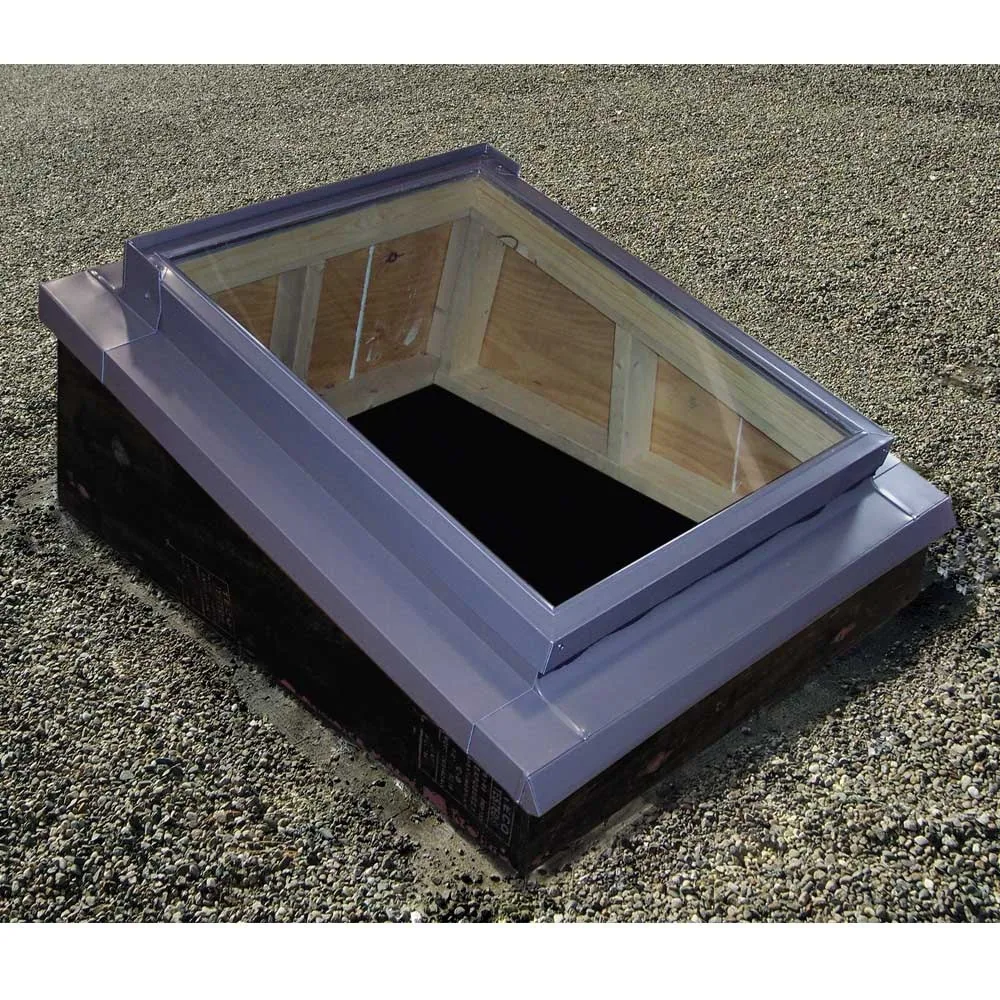
A skylight has glazing, framing, curb construction and a roof-side flashing connection. Leakage can involve any of them. We examine accessible components and identify whether roofing reconstruction, glazing repair or another trade is required. Replacing the membrane at a curb does not repair a cracked lens. Renewing glazing does not restore an open flashing corner. We divide the work according to the physical failure and establish how the completed parts meet.
A pipe penetration also needs a stable support and a weather connection suitable for the installed roof. Movement can tear an otherwise compatible boot or pull a repair away from its receiving surface. We check whether the pipe is restrained appropriately and whether a connected trade must correct it before flashing replacement. The roofing detail should accommodate its intended movement, without being forced to carry an equipment or piping load that belongs to another support.
Leak tracing at roof openings can establish whether water enters through the detail or comes from equipment above it. Condensation and discharge lines can create similar interior symptoms. We examine the roof connection and identify any mechanical or plumbing checks needed. The owner receives a specific next step rather than an assumption that every drip beside a unit can be corrected with a larger flashing patch.
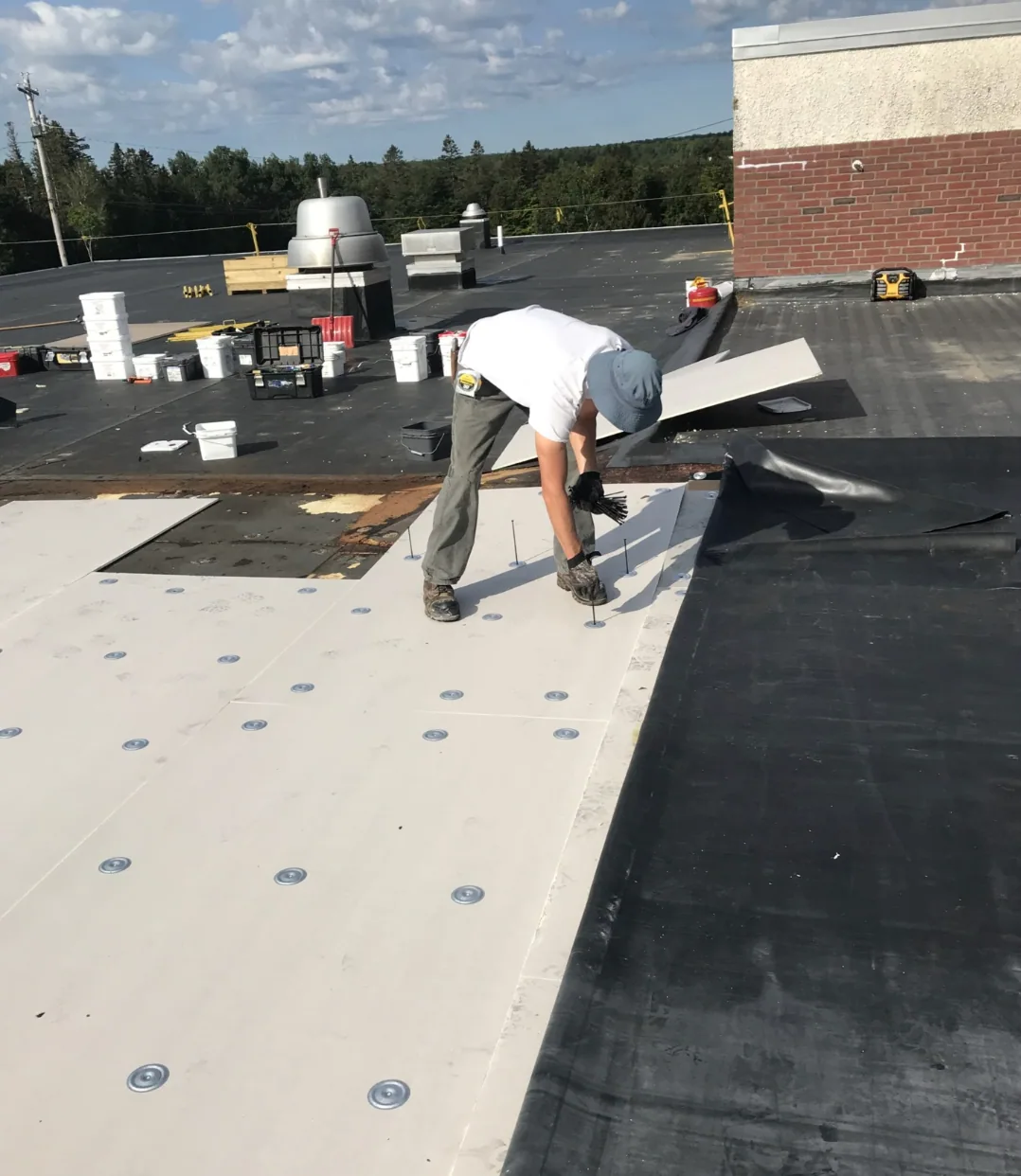
Curb corners concentrate changes in direction and can be difficult places to form a complete membrane connection. We inspect the vertical surface, upper termination and adjoining field sheet. Damaged backing or wet insulation needs attention before new flashing is installed. A firm, suitable receiving surface allows the detail to be attached as specified. Where the old curb cannot support that work, the repair allowance includes its reconstruction or the required connected trade assessment.
Flashings need sufficient height above the finished roof and a secure upper termination. Added insulation can reduce the usable upstand around equipment or skylights. We measure the actual condition before selecting a repair. A curb extension or equipment lift may be needed to form the complete connection. The general contractor should see that requirement before the roofing opening is exposed, including the stage at which the responsible equipment trade must attend.
On KEE roof assemblies, compatible sheets and detail materials need appropriate preparation and joining. Other membrane systems require their own methods. We identify the installed construction before choosing replacement flashing. Prior compounds or poorly bonded patches can need stripping so the new material reaches a suitable surface. The removal boundary may therefore extend farther than the crack, even where the underlying insulation remains dry.
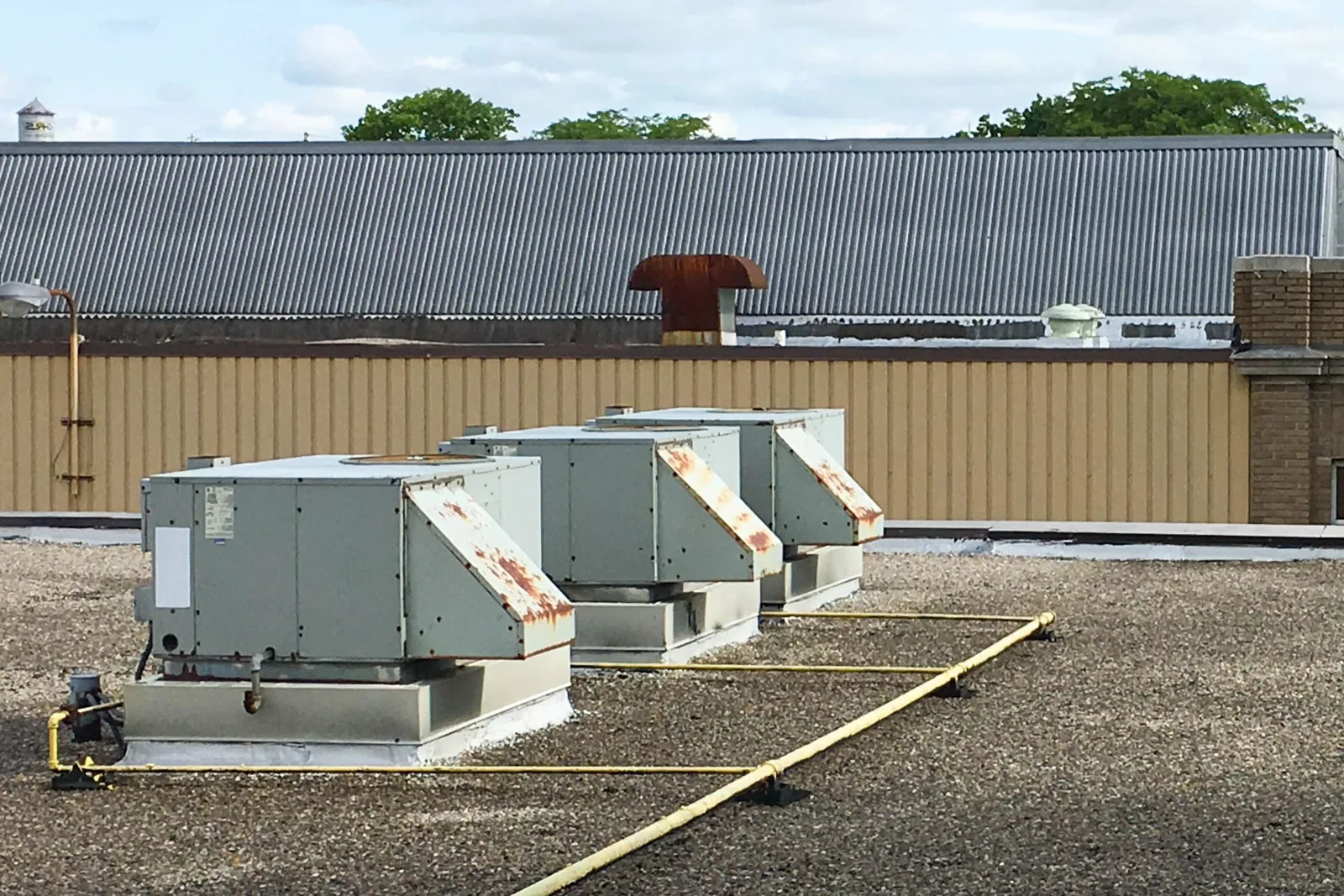
A pipe boot should suit the pipe shape, temperature exposure and roofing system. An opening crowded with several lines may need a different detail from a single isolated pipe. We assess the actual penetrations and select the compatible connection, with any required specialist design input. Pourable seal arrangements also need suitable material, preparation and geometry. Repeatedly adding compound without examining a moving pipe can leave the same failure plane underneath the renewed surface.
Duct openings can have complex corners and interfaces with equipment frames. We examine where the metal, curb and membrane meet, then identify which surfaces need repair. Equipment curb and support work may be required to restore stable construction before the flashing is closed. The roof-side scope should include a complete connection to the finished equipment detail, rather than end at a temporary joint awaiting another trade's modification.
Surface cleaning must protect the opening below. We remove unsuitable material using methods compatible with the roof and assess the exposed layers. If the insulation has lost support or retained moisture, insulation and cover-board replacement becomes part of the repair. The new material needs a smooth transition to the retained roof. A soft patch edge can distort the flashing connection and leave water held beside a newly repaired penetration.
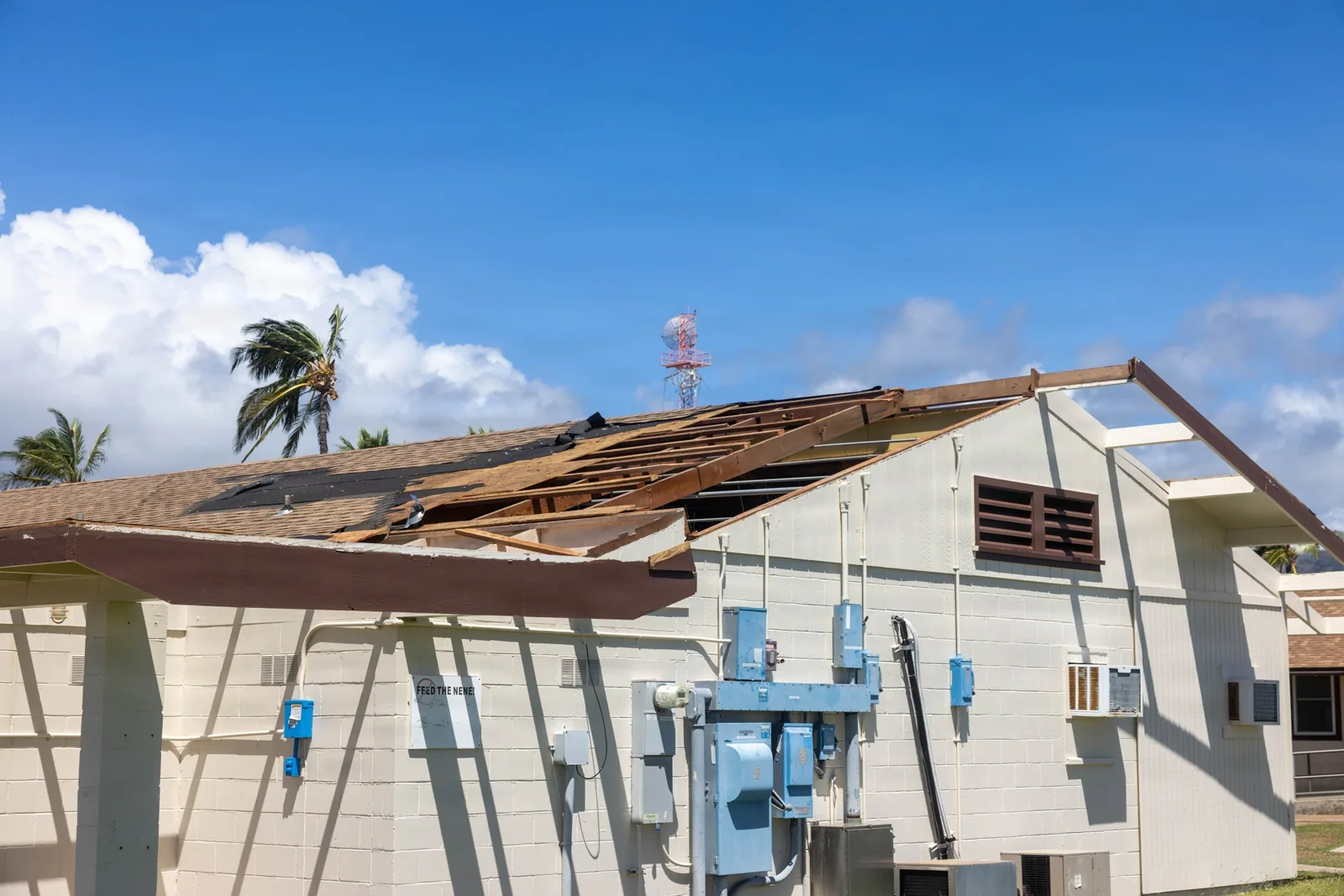
A curb sitting across the drainage route can hold water on its uphill side. The flashing repair should include assessment of that exposure. A cricket or a localized slope correction may direct runoff toward an outlet, provided the new construction connects properly and leaves adequate detail height. Drainage correction around roof obstructions can therefore change the scope from a vertical flashing replacement to a complete adjoining assembly repair.
We compare the smallest workable repair with replacement of a larger curb section where the support or geometry is unsuitable. Retaining a sound curb can reduce removal and equipment handling. Retaining deteriorated backing can undermine the new flashing. The cost difference includes access, material preparation, connected layers and any equipment shutdown. A contractor can then choose the scope that restores a complete opening rather than the one with the least visible membrane quantity.
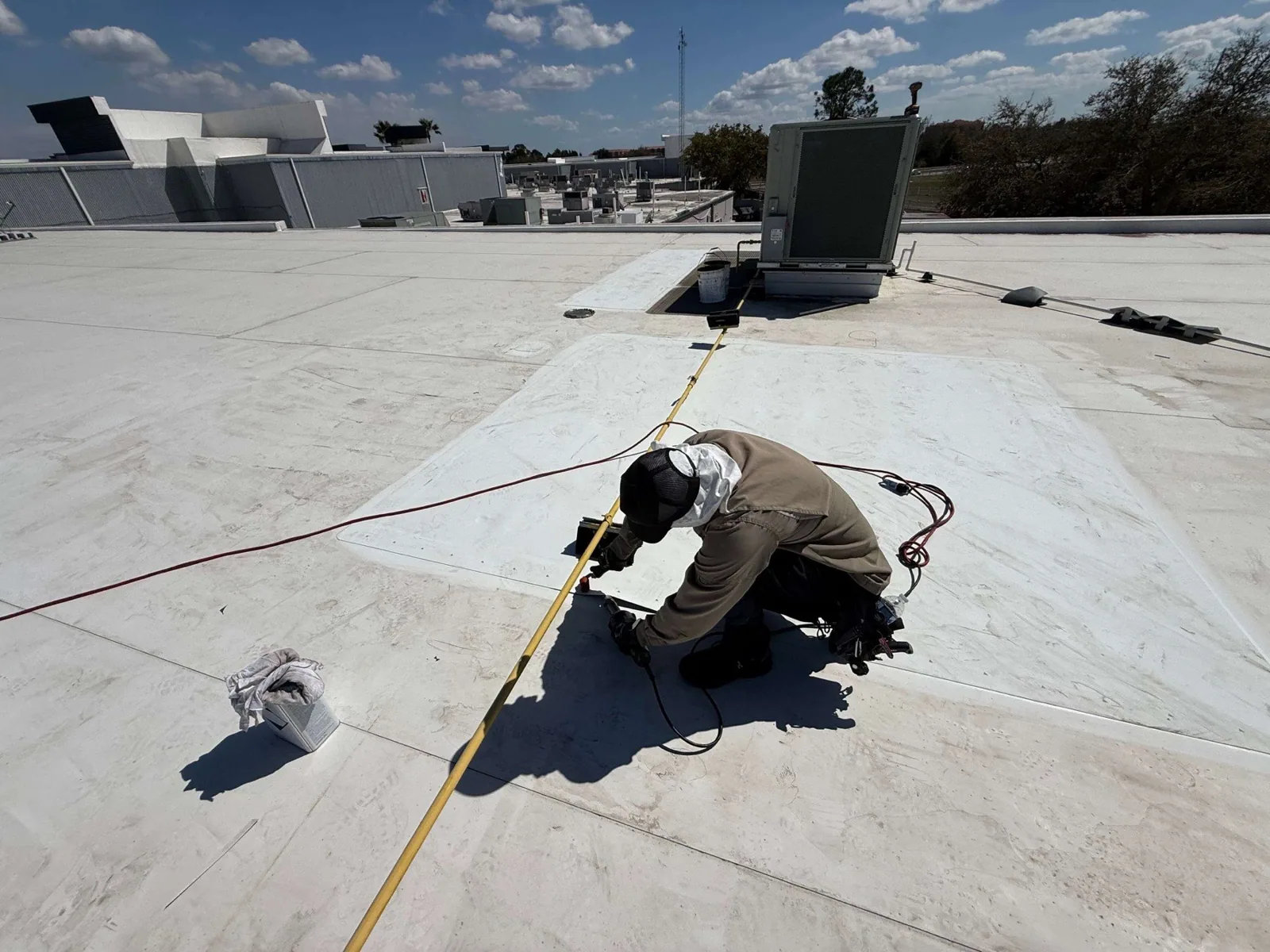
Removing flashing at an active penetration creates a direct exposure over the building interior. We establish protection and limit the opening to work that can be rebuilt in the available period. A medical-office roof repair may have equipment or room restrictions that require a staged shutdown. We assess the actual use and coordinate with the operator before dismantling a curb or disconnecting an adjoining component.
Glen Avon Town Center includes commercial businesses associated with Mission Boulevard. Work at a property in Glen Avon may need separate access arrangements for neighboring tenants beneath a shared roof. We identify the affected room, roof opening and equipment connection, then arrange the sequence around those actual conditions. Completion includes documenting the new flashing and any remaining glazing, mechanical or support work needed by the connected trade.
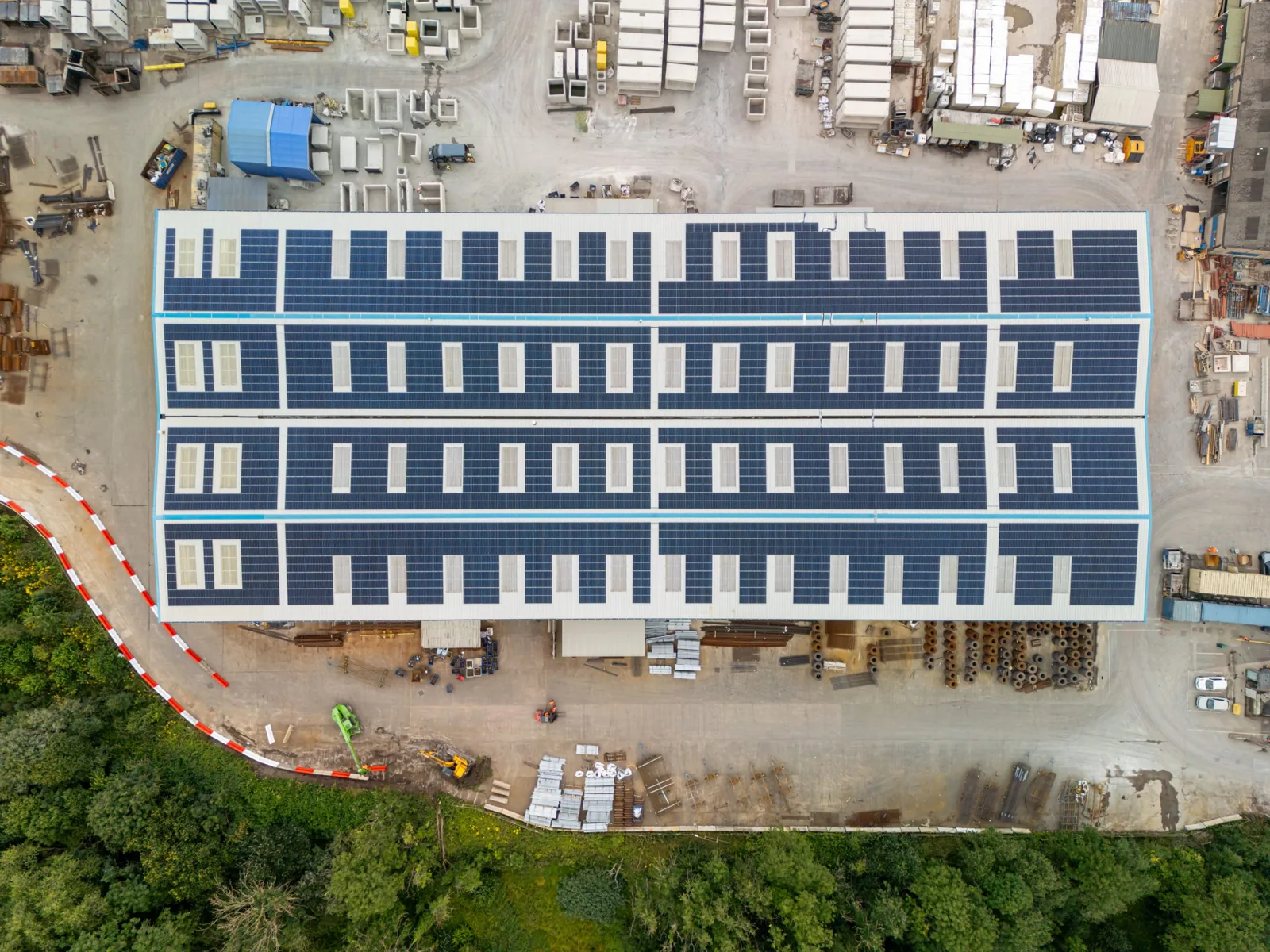
A sound lens can remain where the leak comes from a failed roofing connection and the supporting curb is usable. We examine the glazing and frame alongside the flashing. Cracks or failed glazing joints need the appropriate component repair, even when roof-side reconstruction is also required.
Access or inadequate curb height may prevent formation of a complete detail with the unit in place. We establish that condition before removal and identify the connected equipment work. A limited visible split can still require lifting where the new membrane cannot meet a suitable termination otherwise.
The choice follows their geometry, movement and the compatible system details. We assess the available space and supporting construction before recommending an enclosure or separate boots. The final connection must allow each penetration to remain serviceable without leaving joints that cannot be prepared or maintained.
Damaged supporting layers need assessment within the current repair. Leaving saturated or weakened material can compromise the new flashing and its adjoining seam. We establish the removal boundary and compare a complete localized replacement with any broader work needed to reach sound construction.